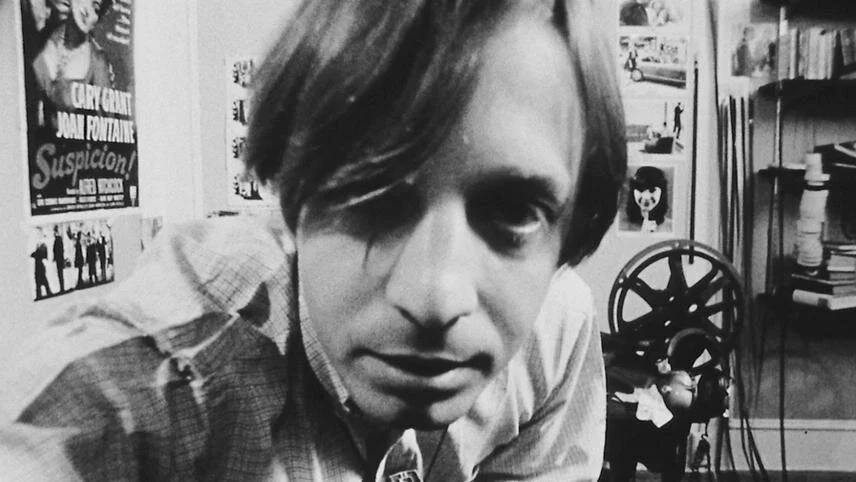
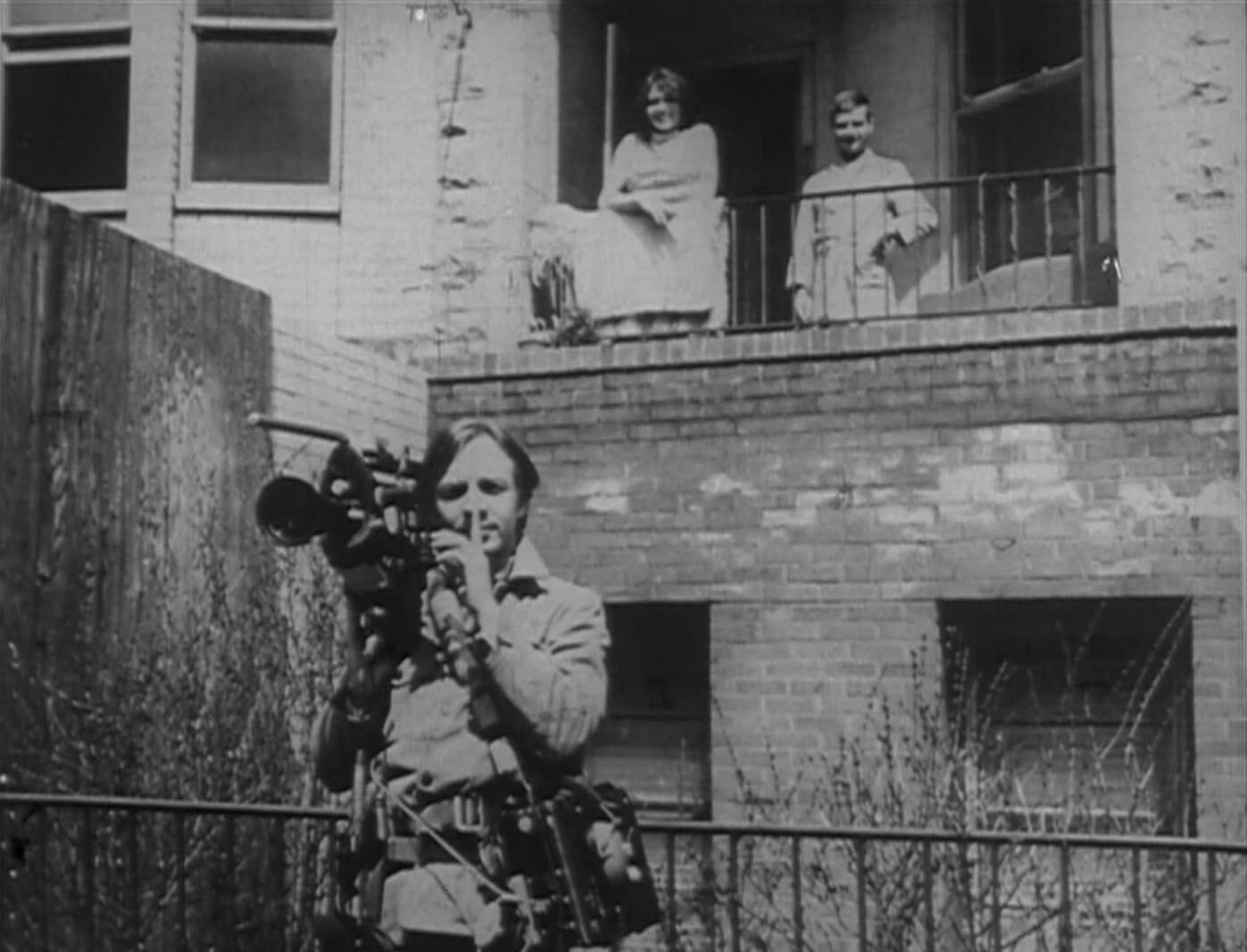
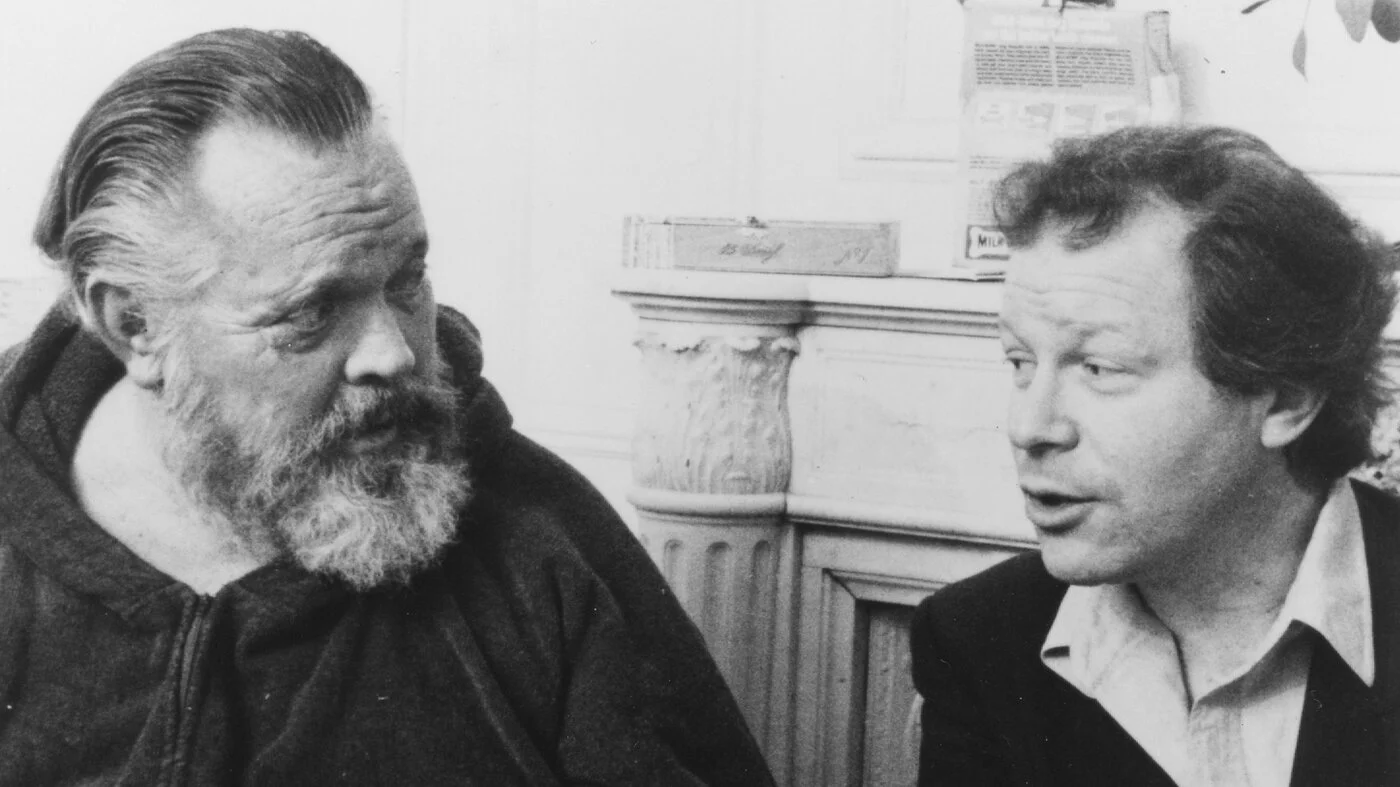
Neal Marshall Stevens on "A Sense of Dread"

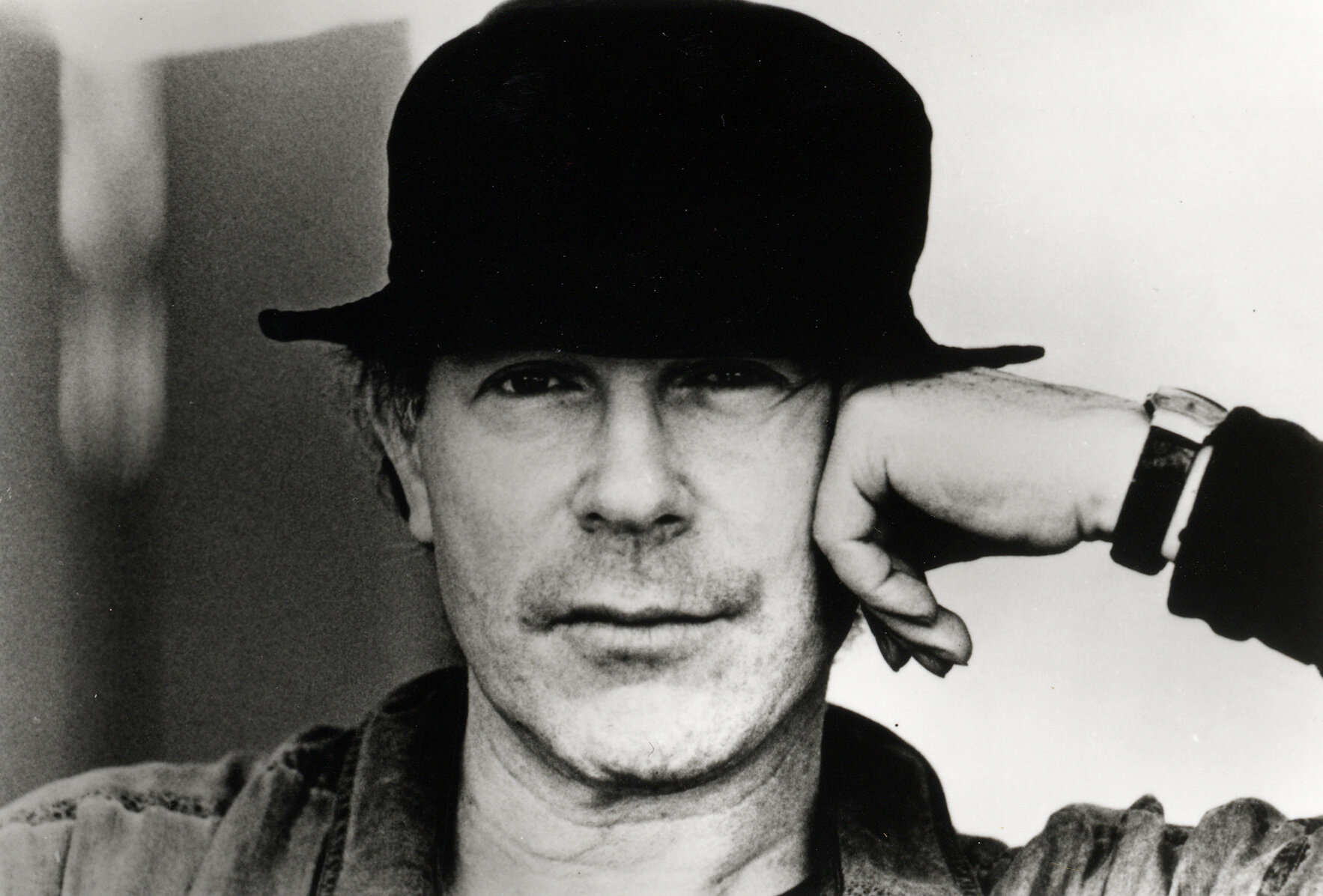
Neal Marshall Stevens is a screenwriting force of nature, best known for his spine-tingling scripts that have continuously enthralled horror film aficionados. From his significant breakthrough with the chilling remake of "Thirteen Ghosts" to the psychologically-driven terror of "Hellraiser: Deader," Stevens has a knack for weaving tales that keep audiences on the edge of their seats. His work masterfully blends the macabre, suspense, and intricate character arcs, creating a cinematic experience that lingers long after the credits roll. Get ready to delve into the mind of the man who's been giving us goosebumps for years in this interview with John Gaspard and Brian Forrest.

JOHN:  Neal, you have a really long and storied history in the horror cinema. Can you remember the very first horror movie that had an impact on you?

NEAL: Well, actually, looking back, the first movie that scared the hell out of me wasn't a horror movie. It was actually a Disney movie called Johnny Tremaine. It was a kid's movie. And there was a scene in that movie, Johnny Tremaine was a kid during the Revolutionary War who knew Paul Revere, who, as you may remember, was a silversmith. And there's a scene in that movie, the British are coming and Paul Revere has got this urn of molten silver.

It gets knocked onto a table. Johnny Tremaine trips and puts his hand face up into the molten silver and fries his hand. And I'm sure I know I, every kid in the audience goes like (sound effect.)

But that's actually not the scariest part of the movie. Later on, surgeons are unwrapping his burnt hand, and they look down and they react in horror.

His fingers have healed together, stuck together. We don't see it and they say, “Oh, we're going to have to cut his fingers apart,” which also happens off screen. And again, in our imagination, imagining no anesthesia back then, it's a revolutionary war. So, poor Johnny Tremaine has to have his healed together fingers cut apart.

The memory of what that must be like has lasted. I must have been like five or six when I saw it. My parents dragged me to see Johnny Tremaine, it's a happy Disney movie. I'm 67 years old, so it's been over a half a century since I saw this movie and was appropriately traumatized by those images. So, Disney knew how to scare little kids. That's for sure. 

JOHN: He sure did. Wow. That's a horrible story.

NEAL: Yeah. As for official horror movies that scared the hell out of me, again, we used to watch Phantasmic Features on the TV in Boston. I remember a movie called Teenagers from Outer Space. They weren't actually teenagers. They were all in their thirties. But anyway, these invaders had a skeleton ray that as they would aim it at someone, it would flash and you're instantly reduced literally to a skeleton. And they were, they didn't care who, so as soon as they come out of their spaceship, there's a barking dog—bzzzt!—and the dog falls down, reduced to bones.

They didn't care. They would use it as a woman's climbing out of a swimming pool—bzzzt!—skeleton floating in the pool. The casualness with which completely innocent people are reduced to skeletons. Again, absolutely horrifying. Couldn’t have been much older than nine or ten when I watched this movie. But the fact that human flesh has reduced the skeletons, but also the casual innocence of which people are reduced to flesh is stripped off their bones. It's terrifying to me.

BRIAN: I wonder how you parlayed that early sense of, “Oh, I like horror movies” into, “I want to create horror as a genre. “

NEAL: Well, I was one of a whole generation of kids who got super eight cameras and made, you know, we made stop motion movies and made monster movies in their basements. Pursuant to that, I was writing scripts when I was 13 years old. I guess people now do it with phones. We didn't have cell phones back when I was a kid, but we had super eight cameras and then, you know, a little cartridge things that we'd slug in.

And so, I made tons of those little stop motion movies down in my basement.

BRIAN: Do you still have some of them? 

NEAL: I guess I may have them somewhere. I think I have an old creaky super eight projector somewhere. I don't think you can get a bulb for it anymore.

BRIAN:  I've got one up there. I wonder if it would work?

NEAL: Yeah. That's the big question. I wonder if it would work? Heaven only knows.

JOHN: But that's a great way to learn visual storytelling.

NEAL: Yeah. When I ultimately went to NYU grad film and, and all the films that we shot the first year were all silent. First silent film then silent with sound effects, but you weren't allowed to use sync sound until you got to second year, if you made it that far.

JOHN: Did you make it that far?

NEAL: Yes, I did. I actually graduated. Back at NYU, it was a very rough program at the time. They cut the student enrollment in half going from first to second year. So it was, it was a rough program back then.

JOHN:  That's brutal.

NEAL: Yeah.

JOHN: So, you leave film school with something under your arm that you've shot. Where does that lead you?

NEAL: It certainly didn't get me much in the way of employment at the time. I ended up going right back to NYU. I ran their equipment room of all things for something like six years. But during all those six years I was writing. They had like a computer that they used to turn out the schedules. And then when I weren't writing schedules, I was using that computer to write my screenplays using WordStar. If anyone remembers that old program. God, it was horrible, but it was free, because they had the equipment room.

And eventually I sent some stuff to Laurel Entertainment, which is the company that did Tales From the Dark Side. And they had an open submission program. If you signed a release form, you could send them stuff. And I'd gone in and I'd met Tom Allen, who was their senior story editor. I had a screenplay and I went in and talked about it. He liked it. It wasn't for them, but then he invited me to submit ideas for their new series, their follow-up series to Tales from the Dark Side, which is a thing called Monsters.

And I went in, and I pitched some ideas, and they bought one. And it turned out to be their premier episode of Monsters. And shortly after that, tragically, Tom Allen passed away. And the VP, Mitch Galen, invited me in and said, “Would you like to take over and be our senior story editor on Monsters and our other projects?”

And meanwhile, you know, for the second part of that whole series, I was still working in the equipment room at NYU and also working as a senior story editor on Monsters and being their creative consultant and reading hundreds of scripts for Laurel Entertainment. And then eventually I quit the equipment room, and I went and I worked for them full time and wrote a bunch of episodes for Monsters.

And I was a story editor on The Stand and The Langoliers— which wasn't so good—but on a bunch of other projects, it was just an enormous learning experience. And The Stand I think turned out really well. Other stuff, The Langoliers, did not work out really well. And a bunch of other projects that were not horror.

BRIAN: Why do you think some things, especially, let's talk about Stephen King, why do you think some of those things adapted well and some didn't?

NEAL: Well, The Langoliers was not, it wasn't that great. Wasn't that strong a project. And I think the idea, trying to make that and stretch that out into a mini-series. wasn't that strong. It wasn't that strong, the material wasn't really there. I think there are times when staying faithful to the material is the right approach. It certainly was the right approach with The Stand.

Working with The Langoliers, you know, there were certainly elements of The Langoliers that were strong. And other stuff that was really just so-so. And I think if you'd had the willingness to step aside and do something different with it, it would probably have ended up—especially because they were expanding it into a mini-series—being just devoted to the original material, I think, ended up with a product that was really thin. Plus, we had hired a special effects company that the Langoliers themselves were just horrible. It was really substandard, honestly. So, it did not work out very well.

BRIAN: I'm guessing with all these different projects you had to work on, you probably had to start dealing with types of horror and genres of horror that weren't in your comfort zone. Maybe not even what you wanted to do. What kind of learning curve was that for you?

NEAL: You end up having to deal with a lot of different kinds of horror, especially with, you know, working in Monsters, where you just were turning stuff out tremendously fast. But also, I grew up with a certain kind of horror.

I was never a huge fan of slasher stuff. I missed that whole era of horror.  Certain kinds of movies appealed to me. That particular kind of transgressive material never really clicked.

JOHN: Why do you think that is with you?

NEAL: Because this simple act of repetitive bloodletting, for me, it always felt thin. I mean, it's not that I objected to explicit violence or explicit gore. I mean, I think that Dawn of the Deadunquestionably is one of the most brilliant horror movies ever made. And there certainly, George Romero didn't pull back from explicit violence. Or a movie like Hellraiser, the same deal.

It's a question of how the filmmaker employs the use of graphic violence to elevate the material. What I've told people when you watch a movie like Dawn of the Dead, the first 10 or 15 minutes of that movie—which by the way, I saw when it virtually when it first came out and saw it in the theater—you had never seen anything like that opening scene in terms of graphic violence from being bitten and heads being blown off and all the rest. You were just put through the ringer, watching that opening. And after that opening, the movie was never that violent again. He never showed anything like that again.

And you didn't have to, because you—having seen that opening scene, you were—you were so blown out of your seats. You said, “I'm watching a movie where anything could happen to anyone.” And that was a kind of really intelligent and that kind of thoughtful use of violence is what George Romero was always able to do. It was understanding how graphic images can affect the psychology of the viewer.

JOHN:  Do you think it's also that with Romero's films, they're actually about something, whereas a slasher film is really just about a body count, but with Romero, he always had another thing going.

NEAL: Well, of course, I mean, no movie that isn't about anything is ever going to really, from my perspective, be worth watching. But I mean, even a movie like Hostel, which is exceptionally violent and harrowing, is certainly about something. And I think Eli Roth's movies, which get a really bad rap, are very much about something. He's got something to say with his depictions of violence and his images. Not necessarily to my taste. I certainly wouldn't say that he's not, he's making movies that are certainly about something. He's not a dumb filmmaker by any stretch of the imagination.

JOHN: So, you work on Monsters, and then what happens?

NEAL:  I worked on Monsters. I worked there for around six years, and then they were acquired by a big studio, and they were shut down. And so, I was out of work. I'd known a woman named Debbie Dion from Full Moon. I figured, well, I'll give that a shot. I'll call her up and see, maybe I could write for a Full Moon. And so, I gave her a shot. I, you know, reintroduced myself and said, you know, “I'm looking to see if I could get some job, maybe writing features for Full Moon Entertainment, Charlie Band's company.”

And they said, “Well, we pay around $3,000 for a feature.” And I said, “Well, I got paid more than that for writing an episode of Monsters. That doesn't seem like such a good deal.” And then my unemployment insurance ran out.

BRIAN: Suddenly it's a very good deal.

NEAL: Sounds like suddenly a very good deal. But, you know, I made it very clear that money buys one draft, and if you want to rewrite, you got to pay me again, because I knew what development was like, where they just expect draft after draft after draft, and I'd say, “I can't do that, that doesn't make any sense.”

And also, having worked for Monsters, I had learned to write really fast. I could write a pass on a Monsters episode in two days, so I knew that I could write fast, because these were 80-page scripts.

And so, I started writing for Full Moon, and over the course of like the next few years, I wrote something like... 50 or 60 features for Charlie Band. And a lot of them got made, because they're not wasting money on movies that don't get made. Tons of them got made.

And in the midst of doing that, I was, you know, whenever I got a break writing a full movie, I would write spec scripts, you know, in the hopes I could sell something of my own that wasn't for $3,000. I didn't have an agent at that point. I didn't have a manager at that point. And so, I'm not really good making cold calls to people. It's not my thing. I just like to sit, write my scripts.

I'd come home one day, and I saw my wife was on the phone having this long conversation with someone. When she was done, I said, “Well, who was that?” “Oh yeah. I called up to order something.” I said, “So she's really good at getting on the phone and talking to people and calling them.” And so, I convinced her to be my manager. So, she agreed. She changed, you know, she went out under her maiden name.

She managed to get an option on a science fiction script that I'd written that, I mean, it was ultimately bought. It was never made. And then I decided, you know what? Horror is really my bread and butter writing for Charlie Band. But I don't really have a horror spec. And most of what was out those days in horror didn't really scare me that much. I should really write a script that would scare me. So, I wrote a script called Deader, which I thought had all the stuff in it that I thought was really scary.

And Judy went out with that script, sent it to a bunch of people, sent it to some folks at Stan Winston's company, as they had a development deal. The producer that she talked to really liked it, asked if he could sort of slip it to some people. He did, he sent it to someone, a producer at Dimension, it's based in New York, and he really liked it. And they showed it to Bob Weinstein.

Bob Weinstein called us on Sunday. Am I half awake? Talk to Judy. Because they didn't know that Judy was my wife. He said, “This is the best goddamn script I've read. I'm like three quarters away. Come in on Monday and we'll talk about it.” So, we came in on Monday and they bought the script.

And of course, at that point, it sort of went all over town. And for a very short period of time, it was like the flavor of the month and everyone loved me. And I got myself an agent and got myself like three pictures. And as I was a really big, big to-do. From that, I also got 13 Ghosts.  I had like a really big opinion of myself after, after that sale.

JOHN: Has that been tempered since then?

NEAL: I kind of got the opinion that like, wow, selling scripts is easy. People wanted to hire me because that script was super hot and was all over town. I learned subsequently there are flavors in writers, and I was like that flavor of the month. That fades and then you have to really do a lot more work to get things sold. That was a hard lesson to learn. But I've managed to keep working over the years. I've written many scripts, sold some, and it's been a decent career.

BRIAN:  I was just wondering, you were having all the success writing screenplays, when did you decide to make a jump to writing a book?

NEAL: Over the last five or six years, I've been teaching. A woman that I knew from NYU, actually, Dorothy Rumpolsky had been instrumental in starting a screenwriting program at David Lynch Institute for Cinematic Studies. And she realized at one point that she had a number of students who wanted to work in a horror. She remembered me back from NYU many years ago. So, she got in touch with me and wanted to know if I was interested in mentoring those students. And I said, absolutely. I done some other online teaching at other places. And so, the way it works is, you fly out for an opening few days where you meet the students. And then you fly back to where you come from. They go back to where they come from. And it's all done remotely, the mentoring. And so, I've been doing that now for five or six years.

And during that kind of get together, you meet a bunch of guest lecturers and other teachers, other mentors. And a number of those people had written books for Michael Wiese productions. And, in the course of chatting, they suggested, well, you, you know, “You have a kind of encyclopedic knowledge of horror and horror cinema. That might be a good book for Michael Wiese. Give them a call and see if you can come up with a pitch and an interesting take on it.” And so I did, and I called them and they responded. And so we were off to the races.

JOHN: The book is really, maybe delightful is the wrong word, but it's a captivating book because as you read through it—you have outlined breaking down our different types of fears—you can immediately in your mind go, “Oh, that's what that movie was doing. Oh, that was that. That's what was happening there.” What was your research process like?

NEAL: I think that the research kind of developed over the decades as I studied what made movies scary and what was working, not only in the movies that I was watching, but in the movies that I was writing. I mean, in the same way that when you work as a screenwriter, it becomes almost second nature to try to figure out what was working and what wasn't.

Talking to fellow filmmakers and screenwriters, you have to say, “How many times do you watch a movie?” And a lot of times I will watch a movie 8, 10, 20 times. And there's a process that works when you watch a movie that many times, where you say “Certain things will work every time you watch a movie.”

In the same way that you can watch a comedy and you can laugh every single time as certain things comes up. And other times, you start seeing the nuts and bolts and say, “Well, this is always working and here they're just connecting stuff.” And you start saying, “Ah, I get it. I see what they're doing. I see how they're taking this piece that works and this other piece that works and they couldn't quite, they kind of, they found some connective tissue to stick it together. I see exactly what they're doing.”

And you start understanding—whether you're watching a comedy or you're watching a drama or you're watching a scary movie—they knew exactly how to make this thing scary. And this is how they're doing it. And they understood exactly how to make this thing scary. And it's like, ah, this is what they're using. Whether it is a spider crawling on someone, that's always going to work. Or, “Oh, I see, this is just a jump scare.” And the jump scare is, I understand, that's just, because a big bang, a loud noise, a hand reaching in from, that's just, that's always going to work. It's going to work no matter what. It's just a kind of placeholder scare, because they couldn't think of anything better.

And there are movies where it's just jump scares. And you can always use a jump scare. You can sneak up on a cat and jab it and it'll jump. It's an instinctive response. And if a movie is just relying on jump scares, you know it's because they don't have anything better. They haven't got any deeper than just having the phone ring and they turn up the soundtrack. You can always get an audience to jump by putting a loud sound on the soundtrack.

JOHN: Is there an example you can think of though, where there is a jump scare that you think is a genuinely good, effective jump scare?

NEAL: I can think of a movie that has two really excellent jump scares. John Carpenter's The Thing. When the doctor's giving the electric shock to the guy's  chest, and the chest opens and slams shut on his hand. Didn't expect it.

That's a super great jump scare. It is perfectly integrated into that scene. Everyone jumps, but it's also a brilliant continuation of that scene. Second jump scare, when MacReady is testing everyone's blood. And saying, “We're going to do you next,” puts the needle in, and that thing jumps out of the Petri dish.

Fantastic jump scare. We didn't see it coming. Everyone jumps. And it's again, it's perfectly integrated into that scene. So, two brilliant jump scares in what's already an incredibly brilliant movie.

BRIAN: I remember watching the commentary on Jaws and Spielberg said he got greedy with his jump scares. He had the moment towards the end of the film, you remember that Jaws comes out of the water while it's being chummed. And he said he got this great reaction from the audience, and he wanted one more. And he went back, and he added in the scene earlier where the corpse face comes through the hole. And he said he never got the audience to react as well to the shark after he added in that corpse face coming through the hole of the ship. And I wondered, do you think there's a point of diminishing returns with jump scares in one movie?

NEAL: I think there absolutely is. I mean—and I have no end of admiration for Jaws. I think it may be one of the most brilliant movies ever, and it certainly has stood the test of time.

JOHN: So, we've each come armed with some movies here that I thought it would be fun to talk about them with you, so that you could sort of delve into the different types of fear that are outlined in the book and we'll just sort of checkerboard back and forth here. I'm going to start with one of my favorite sense of dread movies, and that's Don't Look Now, with Donald Sutherland and Julie Christie, directed by Nick Roeg which I saw way too young. First R rated movie I saw. I remember I knew that it was supposed to be really scary, and I went with my older brother, and we were standing in line and the seven o'clock show was letting out. And I said to my brother, “Well, it can't be that scary. They're not saying anything.” Not realizing that they had all been stunned into silence about the last five minutes of that movie. So, what are your thoughts on Don't Look Now and where does that fit?

NEAL: When I talk about the sense of dread, which is what my book is about, it's the notion of those aspects of our lives that we think of as safe and secure and dependable and sacred being suddenly or unexpectedly penetrated by the unknown or the unnatural, the unexpected.

And you have to say, well, what are the things that we depend on? We depend on our homes. We depend on our families. And so that relationship of parent and child, what violates that? And the loss of a child, loss is already wrenching. And so, this sense of parents having lost a child, but then this notion that, well, maybe not, maybe the child is still out there somewhere, is so deeply disturbing. And so this weird, this quest, this pursuit in them. And meanwhile, in the background, you have the sense of a killer, of killings going on. This really disturbing notion of the woman's half decayed body being pulled out of the water is just as an image is—and again, the notion of human body being reduced to mere flesh—it’s deeply disturbing. And nakedness, coupled with decay, it's deeply disturbing. And all of this sort of happening in the background.

We don't quite know how these pieces connect. The notion that the search for the child and the notion that there's a killer on the loose. We know, because the nature of cinematic storytelling is telling us that somehow these things are going to connect, because, I mean, in the real world, there are countless thousands of things drifting around that don't necessarily hook up. But we know that one thing is going to collide with another. And so, there's this growing sense of profound unease, because we know, somehow, this child in this Red Riding Hood cape is wandering around, it's like, is this the child? Is the child going to become embroiled in this?

But what we don't, certainly don't expect is the ending that confronts us in the finale, which is so incredibly, the reversal is so terrifying and so hits us in the face of that sense of innocence—revealed in such a terrifying way—is the essence of dread. Where we expect to find innocence, we find a nightmare.

JOHN: What's great about what Nick Roeg did there was—if you read Daphne du Maurier's short story—he basically shot the last paragraph of that short story. Cinematically, he figured out the way that she's laying out what's going on with Donald Sutherland’s character at that moment. He figured out a way to make it cinematic. So, like you say, all the pieces suddenly fall into place in those last few seconds. And, like you said, we've been brought to this place, we had no idea that that's where it was going to turn. Neal, tell me about Enemy from Space, and what you like about that.

NEAL: Enemy from Space is the second of the three Quatermass movie, adaptations of the serial. It's in the same vein as Invasion of the Body Snatchers, and all these other movies about human beings who are being invaded and infested by alien forces.

In this case, over the past few years—but in the context of the story—there have been rains of these tiny little meteorites. Anyone who finds them, they crack open and what's inside infests human beings. And you can find these tiny little burn marks, these V shaped marks on them. And the parasites take them over and make them into these kind of human slaves. And the premise is they serve this larger being, this kind of group entity, and they proceed to start building these atmosphere plants, with the goal ultimately to turn the earth into a colony for these beings that come from outer space.

But the notion of these human beings, they have infiltrated our government, infiltrated our community, and they gradually take people over, scary enough. And they have built this enormous plant that looks, he says, this looks just like this proposed lunar base with these giant atmospheric domes. A group of people managed to infiltrate one of these bases and he looks inside, manages to get close enough to look inside one of these domes and inside are the parasites. When they're released, they grow together into this thing that looks like a giant blob. That's what it looks like outside of the human hosts.

And a bunch of these guys are trapped inside of the atmosphere of plant. And they realize this thing, they can't survive outside the human body. They need methane to breathe, because that's what their home planet is like.

“What we need to do is we need to pump oxygen into this dome to kill this thing. That'll destroy it.” And voices come over to say, “Look, this guy's crazy. There's nothing inside this dome. You send some representatives over, we'll show you anything you want.”

And Quatermass says, “You're crazy if you go over there, you're going to be infected. You're going to be taken over.” But they managed to divide, they send the guys over and Quatermass is pleading with them, “Listen, they're going to get on this speaker. They're going to tell you that everything is fine, but you can't listen. Don't listen to them, whatever you say.”

And then they hear this sound. This hideous sound of screaming coming down the pipes, the pipes that they've been sending oxygen down to the dome. They say, “What the hell is that? What's going on?” And then they look, they see the pressure has gone way up. There's something wrong. And the pipe is burst, the pipe that's sending oxygen to this dome. And they say, “What is it? What's happened?”

And they look and something is dripping down through the pipe. And they say, “What is it?” It's blood. They took the guys that they sent, and they pushed them into the pipe. They say those pipes have been blocked with human pulp in order to keep the oxygen from coming into the dome. That is one of the most, again, all you see is just these drops of blood coming out of the cracked pipe, but that has resonated as one of the most terrifying moments from any movie that I saw, again, as a little kid.

I've seen the movie recently and it's still incredibly terrifying. And again, the architecture of this web of pipes, the cold black and white architecture, is horrifyingly chilling. And the notion of human beings being reduced to mere flesh, being used as material for blocking a pipe. And the pipe's only like, it's like this big. So, you can imagine this person shoved into a pipe is hideous.

JOHN: It is available on YouTube if anybody wants to watch it after that. Brian, do you want to ask about folk horror?

BRIAN: Actually, I was going to jump ahead just because of what Neal was just talking about. I thought this would dovetail nicely into a question I had about a fear of contagion. And you can wrap body horror into this. Movies like The Thing or 28 Days Later, or probably The Quatermas Experiment as well. How does that fear of our own bodies being infected or watching another body change or be infected in unnatural ways? How does that—I don't want to use the word appeal—but how does that appeal to our sense of dread?

NEAL: Well, I think you also have to run back to one of the most common— whether it's psychological or physiological—which is obsessive compulsive disorder.

You say, well, what exactly is obsessive compulsive disorder? We have built in grooming behaviors, whether it's cleaning our hands, we clean our skin. That's wired into us. And when you turn the dial up too far, that turns into obsessive compulsive, obsessive hand cleaning or scratching, itching, hair pulling, all that stuff. It's wired in behavior, in the same way that dogs will scratch, we will scratch.

And so, all of that, we react to it in the same way that if you see a spot of dirt on someone's forehead, it's almost impossible to “Clean that thing off. Get rid of that thing.” I mean, we're built in a certain way to respond to distortions, infections, invasions, in the same way that if someone's eye is cocked to one side, we react to it. Someone's face is distorted. We react to it negatively. We have to work not to respond to it.

It may be a bug, but it may be a feature, because we are built to respond to a diseased or distorted members of our community. It's a survival trait. And so, in some ways, horror movies respond to that. Distorted human beings, Hunchback of Notre Dame or Igor or anyone else who are distorted, deformed, limbless creatures—Freaks—are employed in horror movies in a variety of different ways.

BRIAN: And it's a very different thing from seeing an arm chopped off versus seeing an arm with three hands that are all operating. Both of them is something happening to your body that you might revolt towards, but it's a very different reaction though, right?

NEAL: It is, but it's—in a sense—it's all variations of the same thing. There's a central human norm, and that which varies from the human norm beyond a certain point triggers a reaction that says, “That's not the way it's supposed to be.” And it's just, eyes are too close together, eyes are too far apart, eyes are too big, or there's an extra one. There's one missing. We recoil from it. We recoil from something that is too different, too far off the norm.

And of course, in strictly social terms, you can say, but why, why should we? We shouldn't really respond in that way to others who are too different. But we do respond that way, and it comes with the programming in a very real degree.

JOHN: How does that connect, then, to another movie on your list, The Island of Lost Souls, from 1932?

NEAL: I think it's central to that list. The notion of the difference between that which is human and that which is animal. And Moreau, who experiments with making animals into human beings, but not really. And the sort of terrifying revelation when our hero and the woman—who we know to be an animal woman, but she looks fundamentally human—escape out into the woods and come across the animal person village. And the realization to what extent Moreau has been experimenting. It's not just tens or dozens. The animal people just come flooding out of the woods. And it's just hundreds.

And the extent and the depth and the kind of nightmarish quality, they're all different. They're all horrible. And it's just like, what has Moreau been doing? He experiments with these animals, gets them to a certain state, and then he just discards them and moves on to something else. This utterly careless, sadistic god of this army of nightmares. And you sort of see when they do their, you know, “Are we not men?” And you just see row upon row upon row of these hideous nightmare faces. And you just say, “My God, what has this guy been doing for years? Just making these monsters.”

JOHN: It's a classically creepy movie. I do want to ask you about the classic ghost story movie, The Haunting, and what that says about our fears. If you can, maybe tie that into Ghostwatch, because there's a similar sort of thing going on there.

NEAL: They're both intriguing. They both are opening us up to this notion of unseen nightmare forces, especially the original Haunting, which shows us nothing. All you ever see: Doorknob turning. A face that may or may not be in the wall. This horribly loud banging on the door. A moment where someone thinks that her hand is being held, but there's no one there. It is simply this notion of a house that is born bad, but never really fully explained.

Again, you have this idea of the world itself that should be well behaved, that should be governed by comprehensible natural laws. But there's something deeper and darker and incapable of truly being understood, nevermind being controlled. And if you just prod it a little bit too much, you're going to open it up to forces that are utterly destructive and utterly malevolent.

And in both of these cases, you have this man of science and his team that are going to find out. “We're going to find out for sure whether there really are ghosts, whether there really is a supernatural, whether it really is life after death.  We're going to nail this down for science.” Yeah, don't do that. Don't do that. These are things that are, that are not meant to be explored, not meant to be examined. Go back.

BRIAN: I'm reminded of Van Helsing's sign off on the original Dracula, where he said, “Just remember, there really are such things in this world.”

NEAL: Yeah. Yeah. And, and the same thing is true in some ways on a much more terrifying scale with Ghostwatch, where it's just, it's this kind of, “It's all just fun and Halloween, we're going to explore this. It's the most haunted house in Britain.” And it's broadcasters whose faces everyone knew at the time, and they were playing themselves. Going to this haunted house where you had these poltergeist phenomena. And we're all going to, “We're going to do it live and call in with your own experiences about being haunted.” And it all just goes so horribly wrong.

JOHN: Now, Neal, I just watched that for the first time this week. Heard about it for years. I had no idea that those were real broadcasters. I thought they were really good actors. But to someone in Britain watching that, those are faces they saw all the time?

NEAL: Yeah. Those are real broadcasters. They had their own shows. They were real, the real deal.

JOHN: Wow. I highly recommend renting it because—it'll test your patience a little tiny bit, because it is quite banal for quite a while, as they lead you into it. But now this new bit of information that these are all faces that that audience who saw it, quote unquote, live that night, it's as terrifying as I imagined the Orson Welles’ War the Worlds would have been. Because it seems very real.

NEAL: And apparently the way they did it, is that there was a number you could call in. And if you called in that number, they would tell you, it's like, “Don't worry, this is all just a show.” But so many people were calling in, they couldn't get through.

BRIAN: This really is War of the Worlds.

NEAL: So, they never were able to get to that message that would tell them, don't worry, it's all just a show. So apparently it panicked the nation, because part of the premise was at a certain point, the ghost that was haunting the house got into the show. And so, the studio itself became haunted. It was really spectacularly well done.

JOHN: It is. It's great. Let's just sort of wrap up here real quick with Neal, if you have any advice for beginning screenwriter about how to best create a really powerful and effective horror screenplay, any little tips.

NEAL: Well, first of all, and I touched on this before, jump scares don't work on the page. You need the loud bang. You need the hand reaching in from the side. You describe that and it doesn't work. So, you have to rely on creating that sense of dread. And while writing screenplays, you have to keep things tight. The concept, the idea—in the same way comedy screenplays have to be funny—scary screenplays have to be scary. It has to be scary on the page. If it's not scary on the page, you're not going to sell the screenplay. And that’s the fundamental trick. You got to make it scary on the page.

JOHN: Excellent advice. All right, let's just quickly, each one of us, tell our listeners a recent favorite horror film that you've seen in the last couple years.

I'll start with you, Brian.

BRIAN: Just last night, I saw Haunting in Venice. And it worked because I had seen the other Kenneth Branagh/Agatha Christie adaptations, and I was very familiar with, and you know, you already know generally that kind of detective whodunit story: it's going to be very, you know, using logic and rationality.

And when they had this episode that was sort of a one off—sort of a departure from that usual way that mysteries are solved—it was very effective. I think if I'd seen it without having already watched a bunch of Agatha Christie adaptations, I would have said, “Oh, that's an okay Halloween movie.” But having seen those other ones, it was an excellent Halloween movie.

JOHN: Excellent. That's on my list. The movie I would recommend, which really surprised me, my wife literally dragged me to it because it was a French film called Final Cut, which is a French remake of a Japanese film called One Cut of the Dead. At about the 30-minute mark, I was ready to walk out, and I thought, why are we watching this? And then they took us on a ride for the next hour that, it's a really good ride. It's called Final Cut.

BRIAN: And this is not to be confused with the Robin Williams Final Cut from... ?

JOHN: Not to be confused with that, no. Or if you can go back to the original and watch the Japanese version. But what's great about the French version is they are literally remaking the Japanese version, to the point where they've made all the characters have Japanese names. Which the French people struggle with enormously. It's a highly effective film. Neal, how about you? Take us home.

NEAL: Okay. It's not a new movie, but I just saw it very recently. It is a Chilean stop motion animated film called The Wolf House. It describes the adventures of a young Chilean woman who escapes from a repressive German colony and ends up in this bizarre house in which she blends into the walls.

She's escaped with two pigs who grow up with her in this house, but again, nothing, no way in which I describe it is going to convey to you how deeply disturbing and chilling this movie is. It really is quite indescribably bizarre and disturbing and just well worth your time to watch. It's not quite like any other movie I've ever seen.
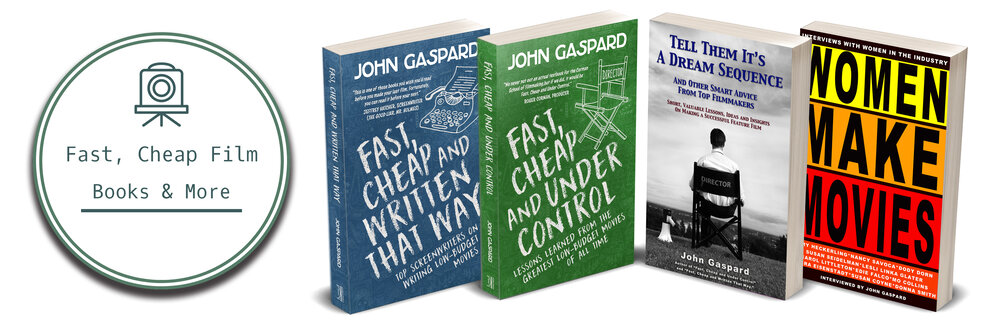

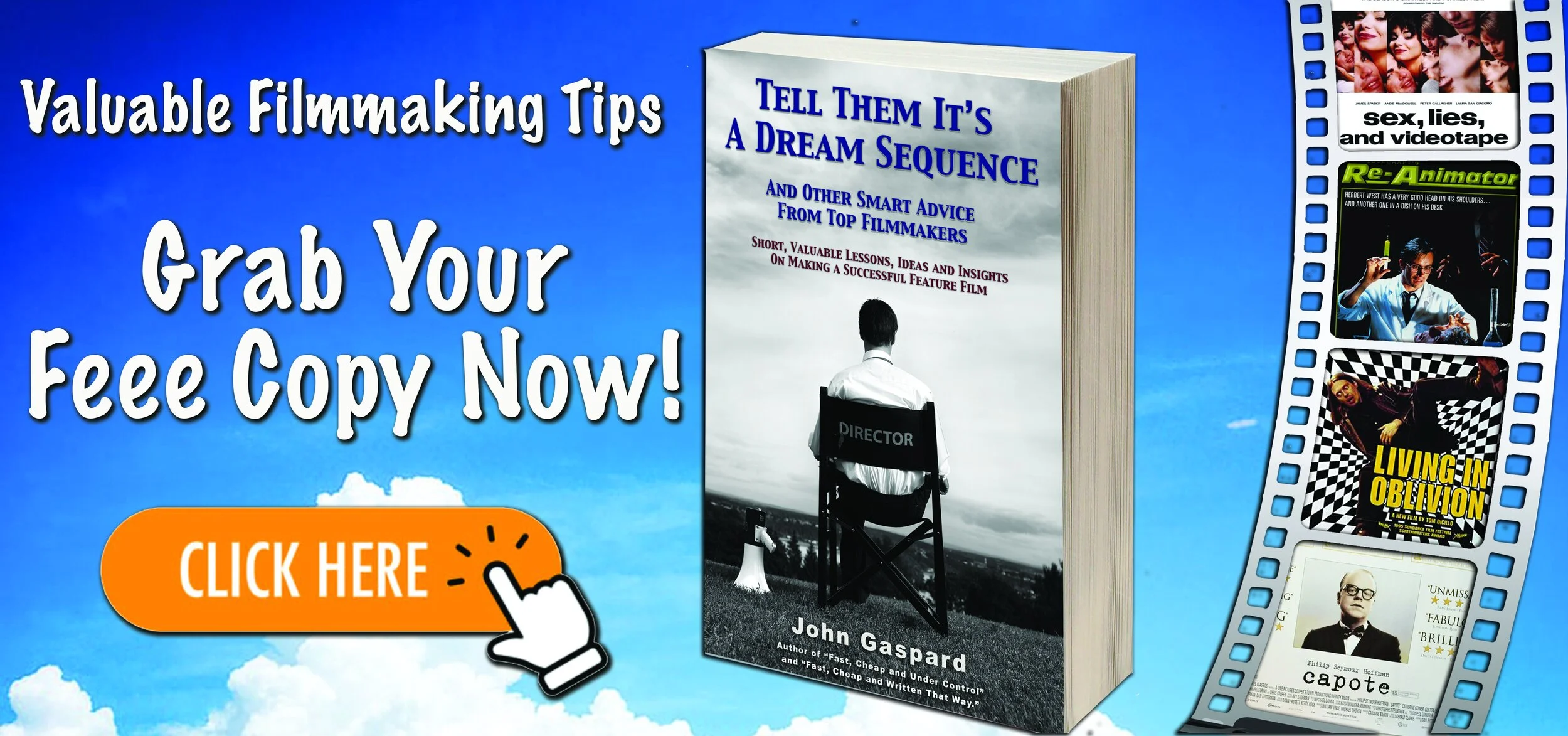
Dying to make a feature? Learn from the pros!

"We never put out an actual textbook for the Corman School of Filmmaking, but if we did, it would be Fast, Cheap and Under Control." 
Roger Corman, Producer

★★★★★

It’s like taking a Master Class in moviemaking…all in one book!

  • Jonathan Demme: The value of cameos

  • John Sayles: Writing to your resources

  • Peter Bogdanovich: Long, continuous takes

  • John Cassavetes: Re-Shoots

  • Steven Soderbergh: Rehearsals

  • George Romero: Casting

  • Kevin Smith: Skipping film school

  • Jon Favreau: Creating an emotional connection

  • Richard Linklater: Poverty breeds creativity

  • David Lynch: Kill your darlings

  • Ron Howard: Pre-production planning

  • John Carpenter: Going low-tech

  • Robert Rodriguez: Sound thinking

And more!

Write Your Screenplay with the Help of Top Screenwriters!

It’s like taking a Master Class in screenwriting … all in one book!

Discover the pitfalls of writing to fit a budget from screenwriters who have successfully navigated these waters already. Learn from their mistakes and improve your script with their expert advice.

"I wish I'd read this book before I made Re-Animator."
Stuart Gordon, Director, Re-Animator, Castle Freak, From Beyond

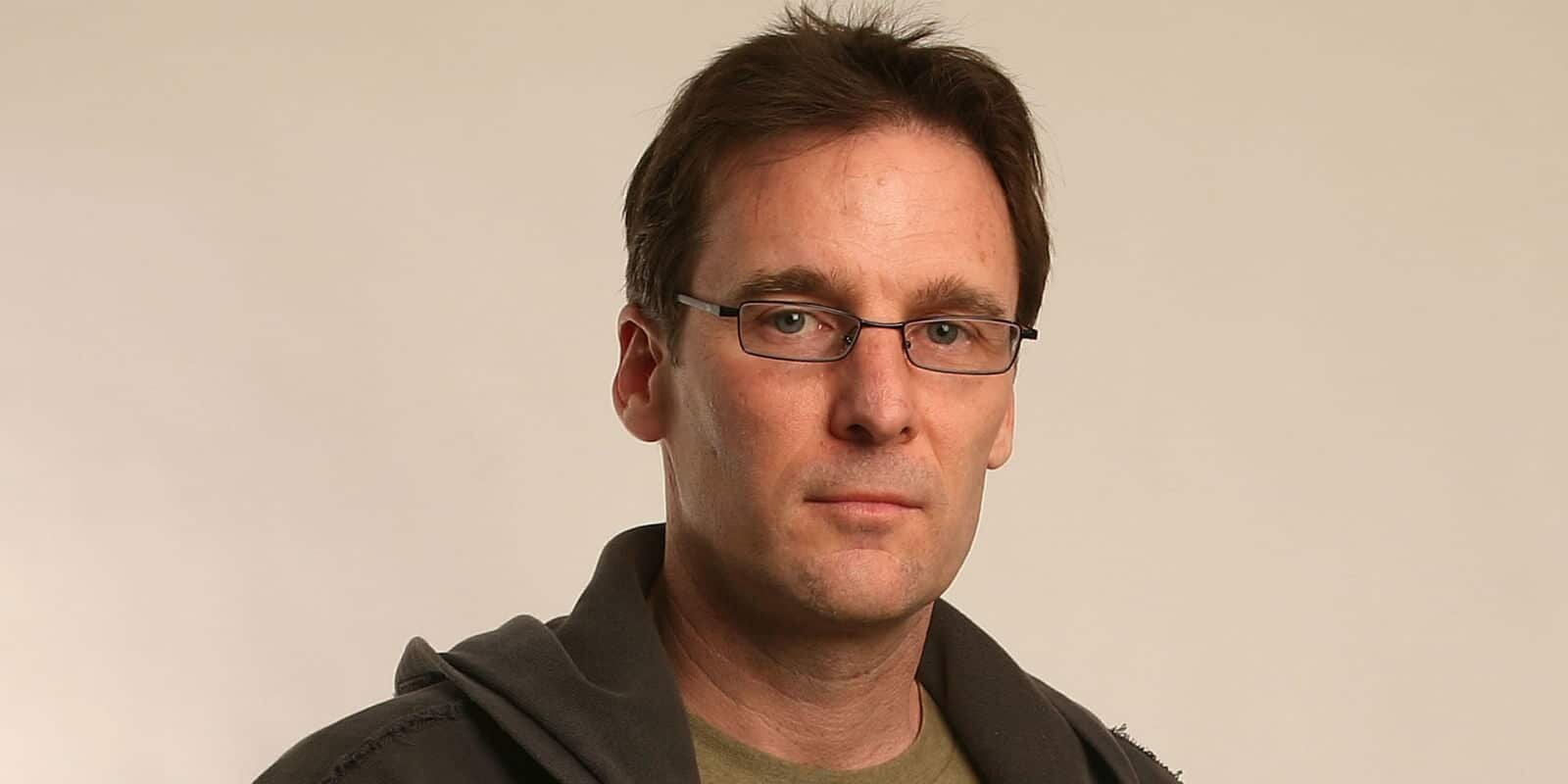
John Gaspard has directed half a dozen low-budget features, as well as written for TV, movies, novels and the stage.

The book covers (among other topics):

  • Academy-Award Winner Dan Futterman (“Capote”) on writing real stories

  • Tom DiCillio (“Living In Oblivion”) on turning a short into a feature

  • Kasi Lemmons (“Eve’s Bayou”) on writing for a different time period

  • George Romero (“Martin”) on writing horror on a budget

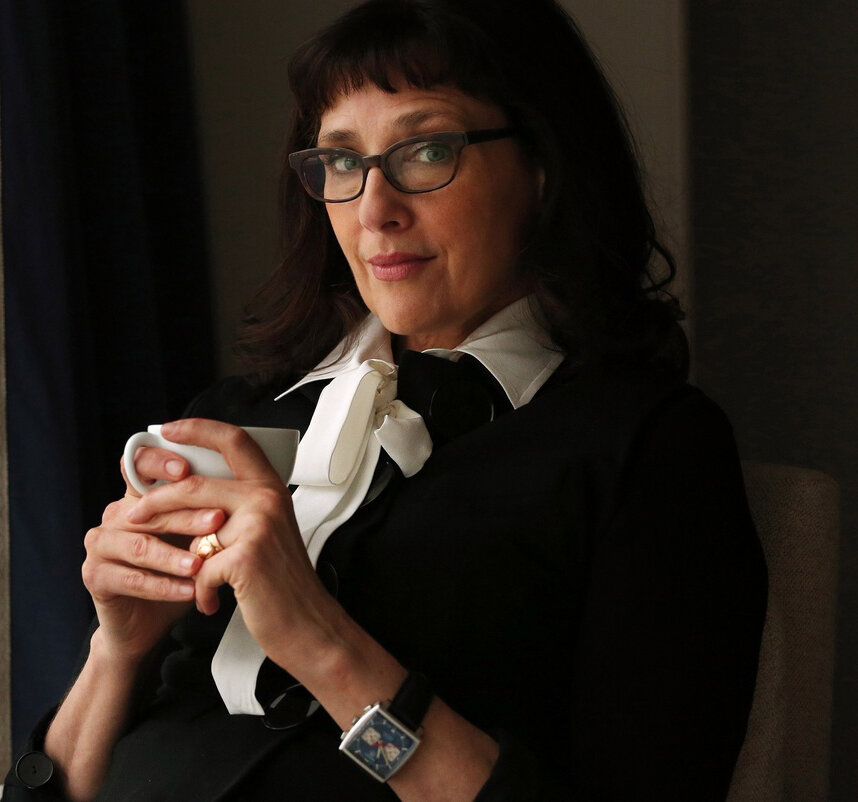
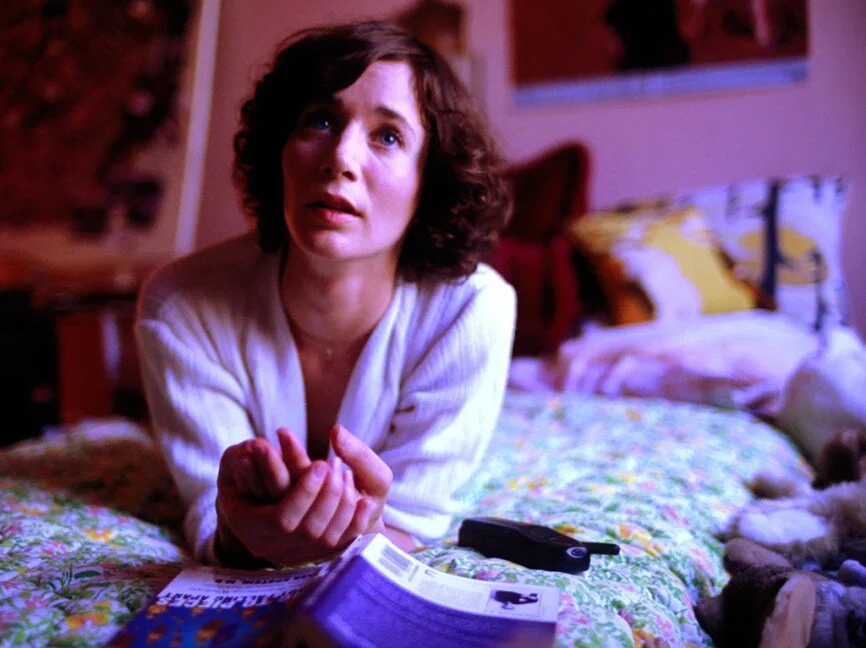
  • Rebecca Miller (“Personal Velocity”) on adapting short stories

  • Stuart Gordon (“Re-Animator”) on adaptations

  • Academy-Award Nominee Whit Stillman (“Metropolitan”) on cheap ways to make it look expensive

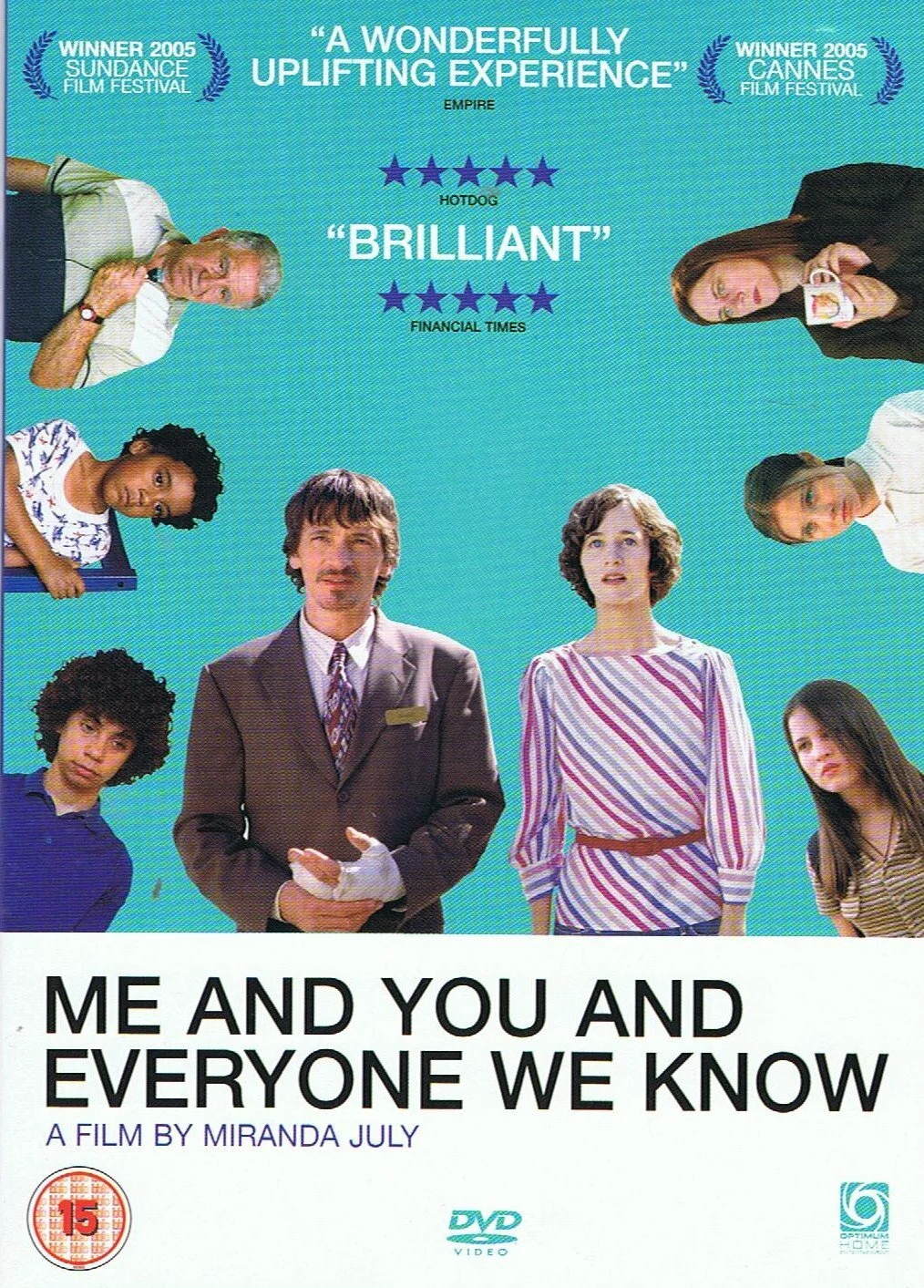
  • Miranda July (“Me and You and Everyone We Know”) on making your writing spontaneous

  • Alex Cox (“Repo Man”) on scaling the script to meet a budget

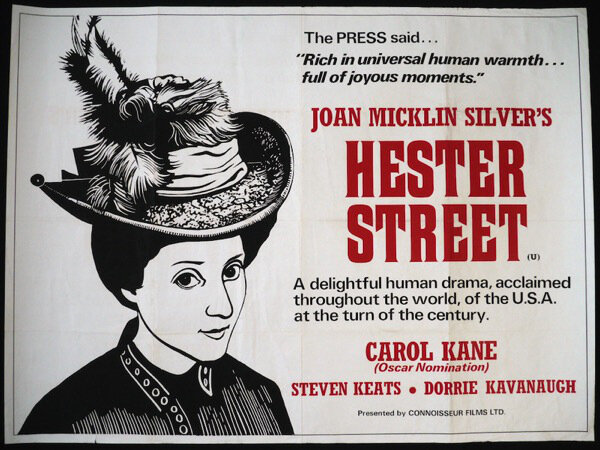
  • Joan Micklin Silver (“Hester Street”) on writing history on a budget

  • Bob Clark (“Children Shouldn’t Play with Dead Things”) on mixing humor and horror

  • Amy Holden Jones (“Love Letters”) on writing romance on a budget

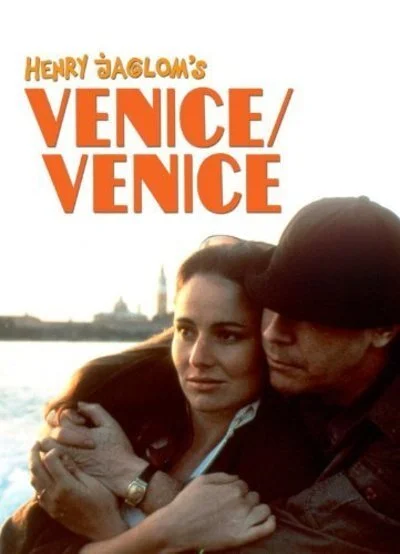
  • Henry Jaglom (“Venice/Venice”) on mixing improvisation with scripting

  • L.M. Kit Carson (“Paris, Texas”) on re-writing while shooting

  • Academy-Award Winner Kenneth Lonergan (“You Can Count on Me”) on script editing

  • Roger Nygard (“Suckers”) on mixing genres

This is the book for anyone who’s serious about writing a screenplay that can get produced! 

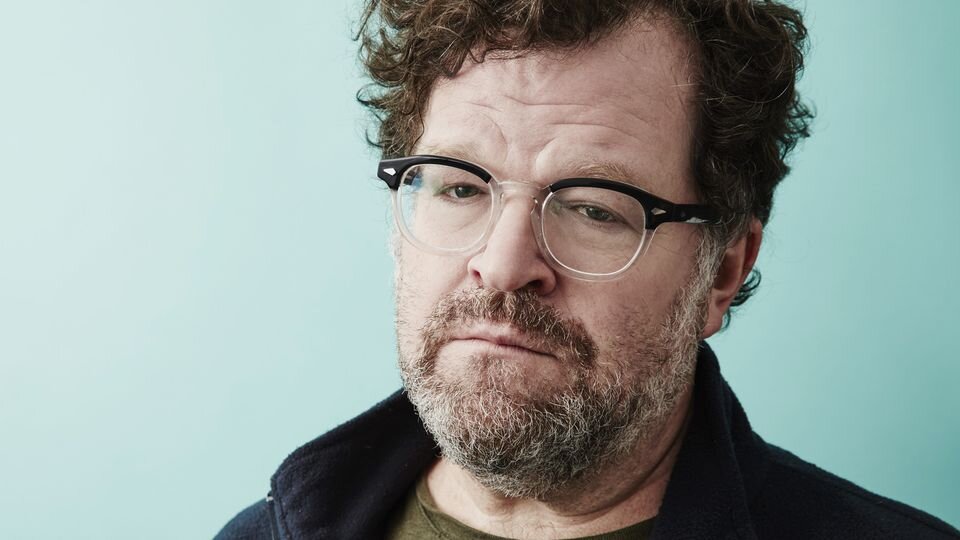
Kenneth Lonergan on writing/directing “You Can Count on Me"

Kenneth Lonergan found success writing screenplays for Hollywood (Analyze ThisThe Adventures of Rocky & Bullwinkle, and Martin Scorsese’s Gangs of New York), but he finds satisfaction writing for the theater, where he is able to control what happens to his script.

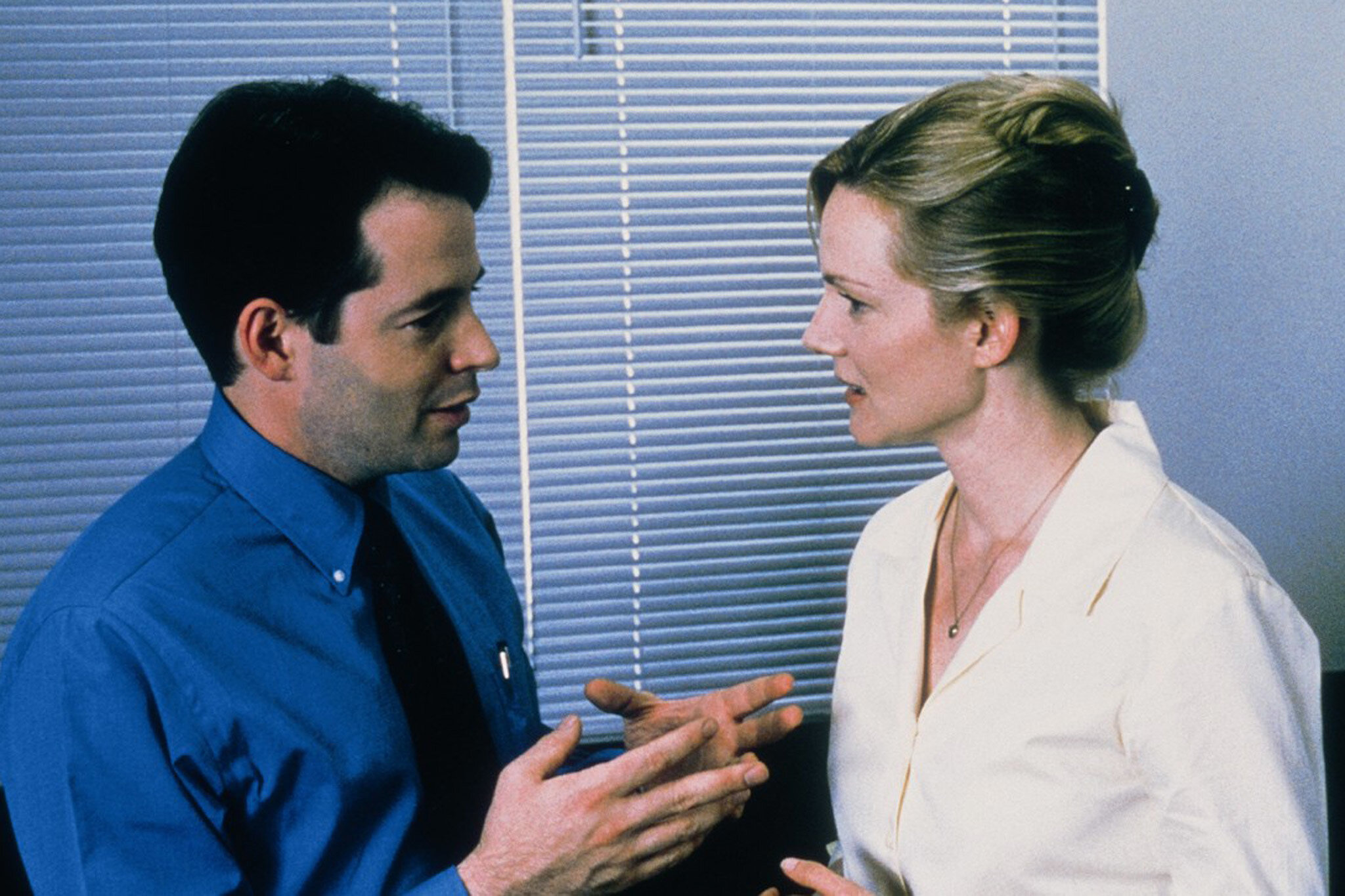
He maintained that same level of control on his first film as writer/director, You Can Count on Me, which was nominated for an Academy Award for Best Screenplay, won the Sundance 2000 Grand Jury Prize and the Waldo Salt Screenwriting Award, the New York Film Critics Circle, the Los Angeles Film Critics Circle, and Writers Guild of America and National Board of Review awards for Best Screenplay of 2001.

What was going on in your career before You Can Count on Me?

KENNETH: I was making a living writing screenplays, doing pretty well, but my main interest was playwriting, which I was doing mostly with the Naked Angels theater company. I had just had my first big break in playwriting, with my play This Is Our Youth. It was very well received, and it bumped me several levels up instantly, which is very unusual. So, I had just become an off-Broadway playwright with some cachet and I was already basically a Hollywood screenwriter of comedies. 

 Why do you use the label "screenwriter of comedies" and not just "screenwriter"?

KENNETH: Because I started out doing comedies and they don't let you do anything that you haven't already done. You send them five dramas and they'll say, "But these are plays." They can't extrapolate. It's like the Supreme Court. There has to be a very clear precedent, or you have no argument at all.

Where did the idea for You Can Count on Me come from?

KENNETH: It came from an assignment that my theater company had given. We were doing an evening of short plays based on the subject of faith and I was poking around for something to write on that topic. I had the idea of this brother and sister. I wrote a ten-minute scene with these characters, which basically was the first step in writing the screenplay. But whenever I say that, I then read that "He adapted it from his own play." But it was, honestly, twelve pages long and it was never meant to be a full-length play. As soon as I thought of it as a larger piece it was immediately a screenplay.

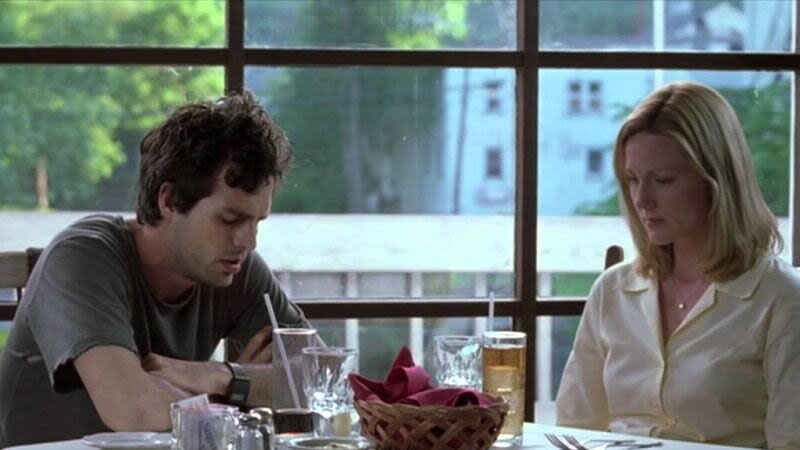
And that scene is still pretty much intact, right, as the first scene where Terry and Sammy meet in the restaurant?

KENNETH: It's that plus the scene at the end. Literally. Minus the note of hope that he expresses when he tries to tell her that he's not going back into the toilet, he actually liked being in Alaska and maybe there's something there for him. Some people have interpreted the movie as him going back into the depths, while other people have noticed that he actually is a tiny bit of a step up from where he started. 

What was it about those twelve pages that made you think you had the beginnings of a feature script?

KENNETH: I loved the characters a lot and I thought the scene was really very good. And when it was performed it was performed really nicely. I just thought there was something very moving about the situation. 

I guess I liked the idea of how crazy she was about him and the whole dynamic of her having more faith in him than he had in himself. Even though she's a little misguided about him, just liking him that much brought him up a little bit. And I liked the idea that they were at such cross-purposes, but also that they liked each other so much. 

Also the idea that they had had this shared tragedy. Her reaction was a sort of blind faith and his reaction was closer to mine, which is that it has no meaning but you have to piece together your own feelings about things like that, because none of the available systems really did it for him. 

I just liked that whole dynamic. I liked her taking care of him and him disappointing her -- all the dynamics between them. I just liked the people a lot.

What was the process of finding the rest of that story and getting to that ending point?

KENNETH: It was one of those rare, all-in-one flashes. I was watching a play which had a little kid in it. I was only partly enjoying the play, so my mind was wandering and I suddenly had the thought, "If she had a little boy who her brother got involved with and then disappointed and became a hazard to, that would be a terrible conflict for her." Immediately I saw a whole arc of a story based on that, which seemed to be very full. Shortly after that, everything else just kept kind of falling in place. 

Once you had the story, how did you proceed? Did you write an outline?

KENNETH: I almost never do an outline. I've done outlines for assignments and even then I think I've only done them twice. I have nothing against them, I just don't usually work that way. 

For You Can Count on Me, I split the lunch scene up, because I knew that the last part of the scene would be the last part of the movie.

I had, at one point, a whole different ending. Originally the last scene was going to be the scene with Sammy and the little boy at the kitchen table. But then, once it was all written, I realized that it should really end with the brother and the sister. So I made that adjustment.

Since you don’t do an outline, do you have other methods of gathering your thoughts before you write?

KENNETH: I take a lot of notes in my little notebook. I try to write down any thought I have about the movie or I'll write a little scrap of a scene in the notebook and I'll always refer back to that. So I ended up taking a lot of notes. 

Were you always planning on directing this script?

KENNETH: Yes. I wouldn't have written it if I wasn't planning to direct it.

Did that change the way you wrote it?

KENNETH: Completely. I had been aware of what professional screenwriting was like in Hollywood many years before I got into it. I got into it only to make money, because I knew there was no creative protection. 

This was the first screenplay that I ever wrote the way I would have written a play, meaning putting my heart and soul into it. Every other job I'd done, including the spec script for Analyze This, I definitely did as good a job as I could, but I wrote knowing that the script would be destroyed. I wouldn't have written You Can Count On Me if I'd known it would be destroyed. I wouldn't have written it if I wasn't planning to direct it and I knew the only way to protect it was to direct it.

I knew that if it was an independent movie that I would have a fairly good chance of controlling the material. I also knew that I wouldn't do it if I couldn't control the material. 

Did you think about budget concerns at all while you were writing?

KENNETH: No, I didn't. There's no call for anything expensive in the story anyway. I might have thought about it a little bit in the periphery of my mind, but not really. I knew it would be cheap.

Did you tweak the script after it was cast?

KENNETH: The only thing I changed in production was I did a little bit of cutting and re-wrote the last scene a little bit, because I felt it wasn't clear what Terry’s feeling was about going away. 

How do you know when a script is done?

KENNETH: It feels right. I always feel that the ending must be at least as good as the rest of the movie. If the ending isn't great, I feel like it's not a successful endeavor. And then if there's nothing else that I can work on and improve, then I basically leave it alone. You can always futz around with it, but unfortunately there's a certain point when I start rewriting it where I start making it worse. Thankfully, I think I've learned to identify that point and then I leave it alone.

How do you know when you’ve reached that point of diminishing returns?

KENNETH: When you get out of the groove of it, I really think it's dangerous to mess around with it too much. I tend to rewrite myself a lot as I'm going, but not endlessly. 

I find that a lot of writers are too ready to rewrite stuff, which is dangerous because they just get lost instantly. I know I do. New writers are way too eager to take other people's comments and show it to everyone and get all the feedback they can get. The feeding frenzy in the movie culture now -- which is to let everyone dive in and anyone can give notes -- I just find it repellant and very bad for the scripts and ultimately for the audience.

The other thing that writers can do is not be self-critical enough. I think you have to be very much on your own side but be very unflinching about noticing when something's no good. You have to be able to step away and step back, basically trusting your own opinion and hoping that if you like it somebody else will.

You Can Count on Me is a textbook example of writing scenes where we learn things about the characters through their actions and not just their words. How did you achieve that?

KENNETH: I always have the actors in mind and when I'm writing, I act out the scene, which includes the behavior. And if the behavior's covering it, then you don't need a line of dialogue. 

The reason that movies stink now is the fixation on everything being clear. Once the studio development people got the idea that they were going to get involved in the emotional lives of the characters is when things really turned to shit, because they have a terror that things won't be clear and they have a list of what every movie has to be about. 

I've never been involved in a movie -- except for Gangs of New York -- in which the comment did not come up at some point that "the character has to learn to believe in himself." Every movie has to be about somebody believing in himself and if it's not that, they have to learn that "it's the heart that you want to pay attention to, not the head." That's another one, which is basically the same thing.

These are people who insist that film is a visual medium, while pounding you to death to write this terrible dialogue which basically, in words, says every single thing that the actors should be doing. People just don't say what they mean all the time. 

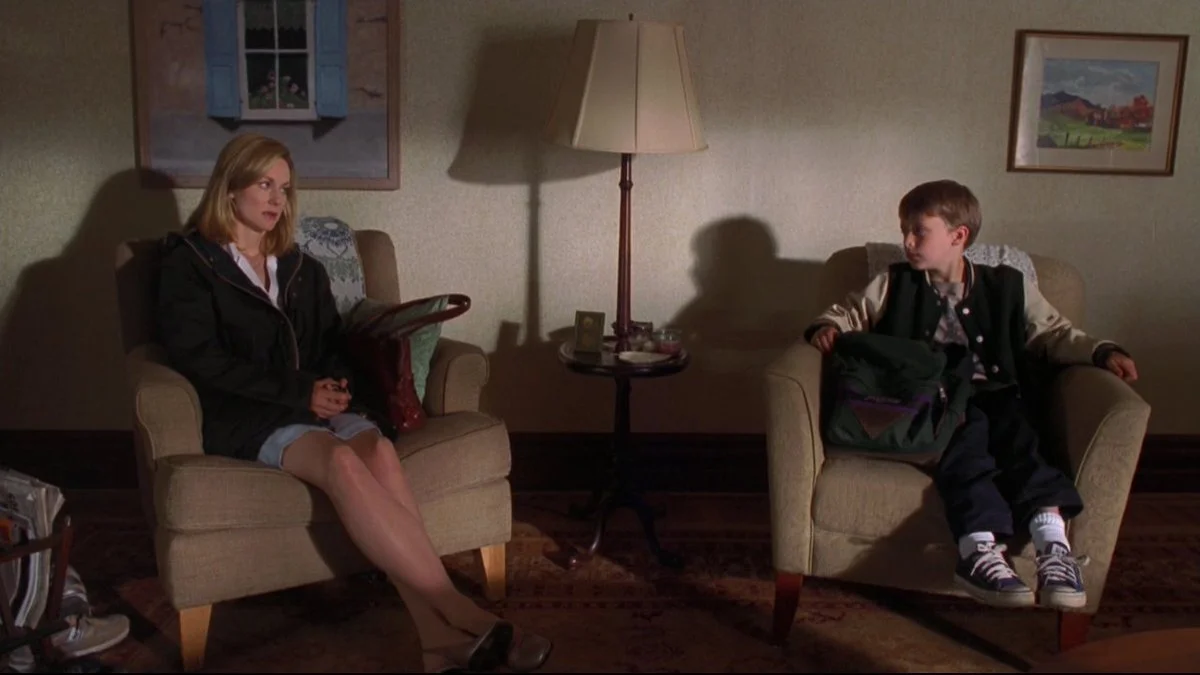
Or they don’t say anything at all. I’m thinking of the scene in You Can Count on Me when Sammy is riding in the car with her on-again, off-again boyfriend. She has a moment where she looks at him and you can tell she’s completely reassessing the relationship, but not a word is spoken about it. 

KENNETH: It was very clear that he showed up, he's a good guy, she's been back and forth about him, he's very stoically driving her to get her fuck-up brother out of jail and she sits there and turns and looks at him very thoughtfully. So what are you going to think, except that she's re-evaluating him? Do you need her to say, "You know, Bob, thanks." That stinks.

Plus, she's not sure she wants to do anything about it. She's just re-evaluating. It's a private moment. Do I need to have her call her best-friend and say, "You know, I sat there looking at Bob and thinking, 'You know what ...'" Who needs it? Anybody would look at him and think that, but nobody would say that to him or make that call. And if they did, everyone would cringe with embarrassment. 

I wish writers would hold back a little more. You want to make sure that the audience knows what you need them to know at a certain point for the scene to have the effect that you want, but writers often write what they think should happen. If people would write more of what would happen and just see if it took care of itself, I think it would. 

You don't really need to know anything about the two characters in the lunch scene to have the scene be interesting, because there's so much evident tension. If this went on for a long time and I never gave you any information, that would seem like a bullshit trick eventually. It's a medium that's meant to be acted and not described and when you start saying the subtext, then there's nothing left to act.

Did you learn anything writing You Can Count on Me that you still use today?

KENNETH: Yes, but I didn't learn it enough. In editing the first cut, I thought every scene was very good but the whole thing dragged. The problem was that every scene had a beginning, a middle and an end. So I chopped the beginnings and, more particularly, the endings off every scene and suddenly the story propelled itself from one scene to the next much better. That's because it didn't have 200 little soft resolves. 

So I've been trying to think about writing in sequences instead of scenes, but the truth is I haven't really applied that, because it's very hard for me to judge that on the page. It's something I know can be dealt with in the editing, so I can't say I actually have the faith to write a really short scene.

What's the best advice about writing that you've ever received?

KENNETH: I think it was from Gertrude Stein. I don't remember the quote exactly, but it's someone telling a younger writer who's worried their work is no good. The quote is, "It's not your business whether it's good or bad. Your job is to keep the channel open, because there's only one of you in all of time and if you don't say it, it will never be said. So keep the channel open." I think that is really very, very good advice, because a lot of people sit around fussing whether it's good or not and I personally think that's not really any of your business. It's not helpful.

Is there a real difference between writing for other people and writing for yourself?

KENNETH: Screenwriting for other people is completely different from screenwriting for yourself. I think writers can have more power than they think, if they're keeping it small, but they don't have any power in Hollywood no matter what and every bad thing I described will happen and does. That's all that happens. Occasionally there's an exception. 

Dying to make a feature? Learn from the pros!

"We never put out an actual textbook for the Corman School of Filmmaking, but if we did, it would be Fast, Cheap and Under Control." 
Roger Corman, Producer

★★★★★

It’s like taking a Master Class in moviemaking…all in one book!

  • Jonathan Demme: The value of cameos

  • John Sayles: Writing to your resources

  • Peter Bogdanovich: Long, continuous takes

  • John Cassavetes: Re-Shoots

  • Steven Soderbergh: Rehearsals

  • George Romero: Casting

  • Kevin Smith: Skipping film school

  • Jon Favreau: Creating an emotional connection

  • Richard Linklater: Poverty breeds creativity

  • David Lynch: Kill your darlings

  • Ron Howard: Pre-production planning

  • John Carpenter: Going low-tech

  • Robert Rodriguez: Sound thinking

And more!

Write Your Screenplay with the Help of Top Screenwriters!

It’s like taking a Master Class in screenwriting … all in one book!

Discover the pitfalls of writing to fit a budget from screenwriters who have successfully navigated these waters already. Learn from their mistakes and improve your script with their expert advice.

"I wish I'd read this book before I made Re-Animator."
Stuart Gordon, Director, Re-Animator, Castle Freak, From Beyond

John Gaspard has directed half a dozen low-budget features, as well as written for TV, movies, novels and the stage.

The book covers (among other topics):

  • Academy-Award Winner Dan Futterman (“Capote”) on writing real stories

  • Tom DiCillio (“Living In Oblivion”) on turning a short into a feature

  • Kasi Lemmons (“Eve’s Bayou”) on writing for a different time period

  • George Romero (“Martin”) on writing horror on a budget

  • Rebecca Miller (“Personal Velocity”) on adapting short stories

  • Stuart Gordon (“Re-Animator”) on adaptations

  • Academy-Award Nominee Whit Stillman (“Metropolitan”) on cheap ways to make it look expensive

  • Miranda July (“Me and You and Everyone We Know”) on making your writing spontaneous

  • Alex Cox (“Repo Man”) on scaling the script to meet a budget

  • Joan Micklin Silver (“Hester Street”) on writing history on a budget

  • Bob Clark (“Children Shouldn’t Play with Dead Things”) on mixing humor and horror

  • Amy Holden Jones (“Love Letters”) on writing romance on a budget

  • Henry Jaglom (“Venice/Venice”) on mixing improvisation with scripting

  • L.M. Kit Carson (“Paris, Texas”) on re-writing while shooting

  • Academy-Award Winner Kenneth Lonergan (“You Can Count on Me”) on script editing

  • Roger Nygard (“Suckers”) on mixing genres

This is the book for anyone who’s serious about writing a screenplay that can get produced! 

Kasi Lemmons on writing and directing “Eve's Bayou"

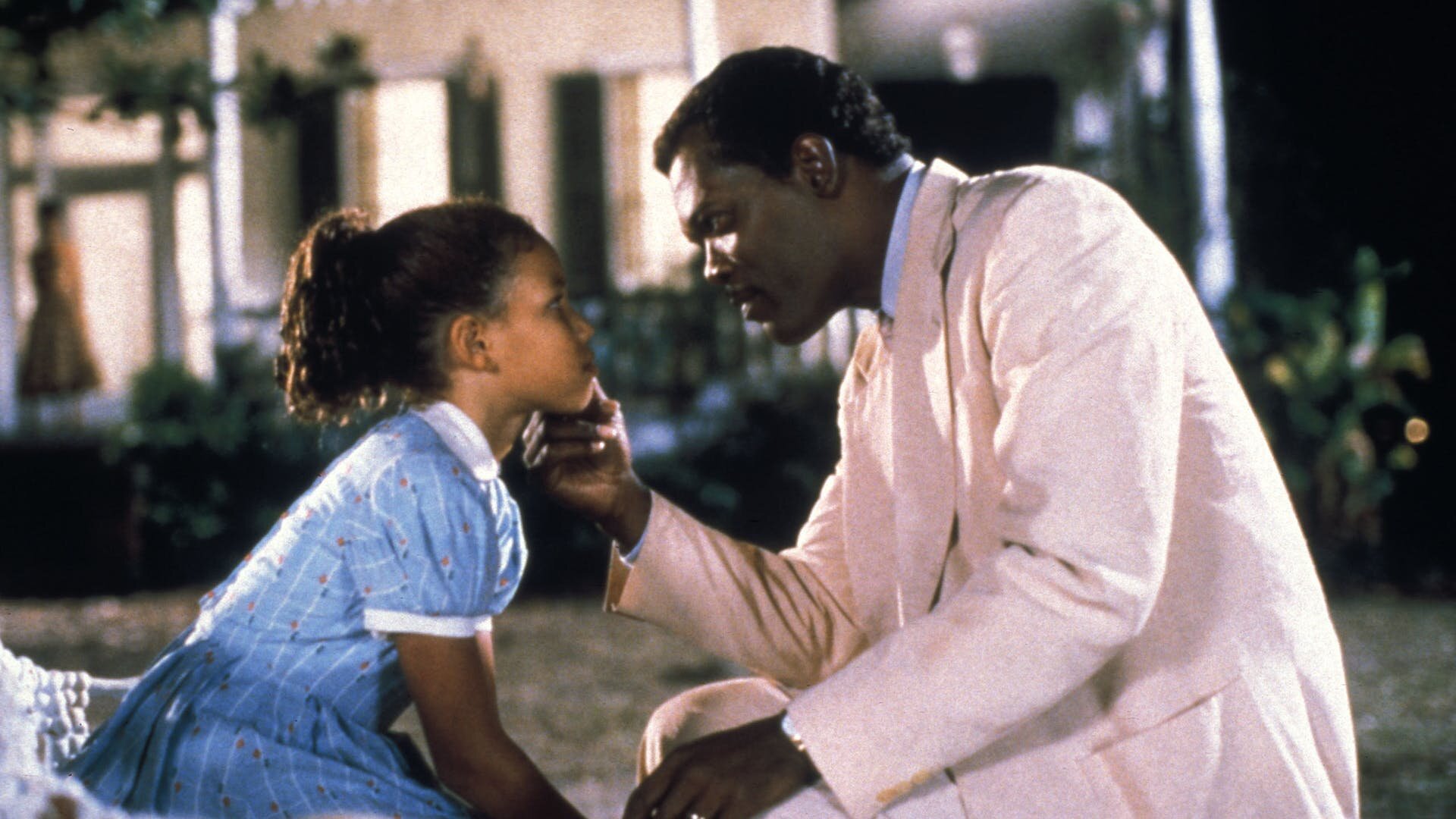
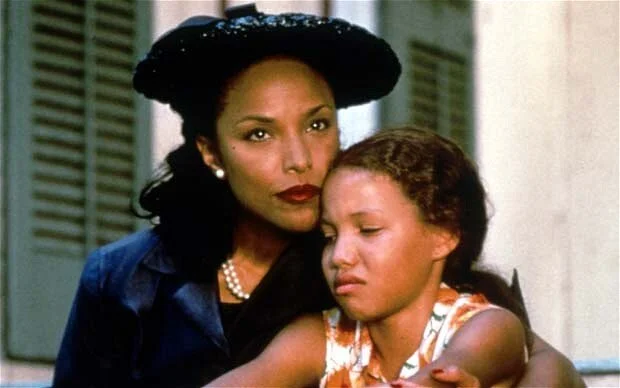
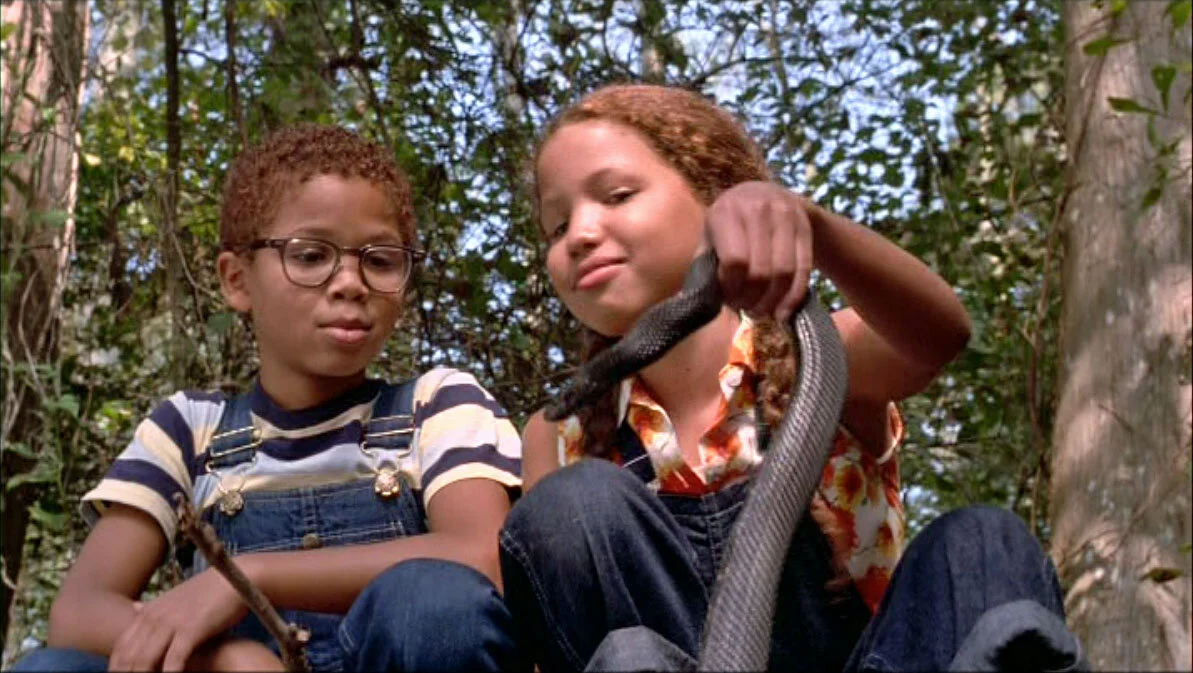
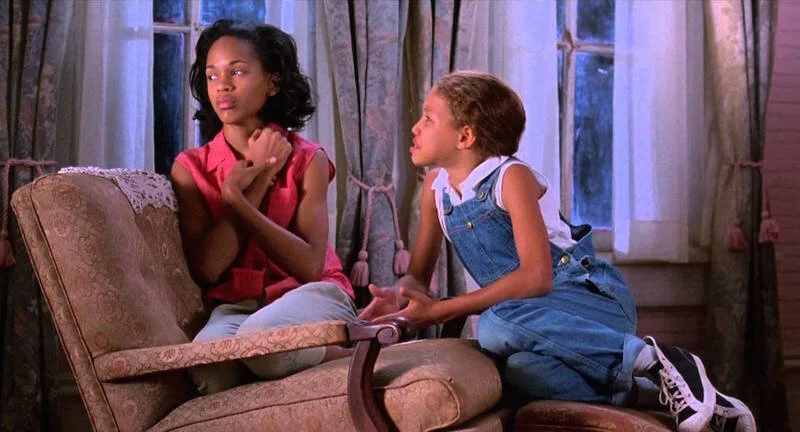
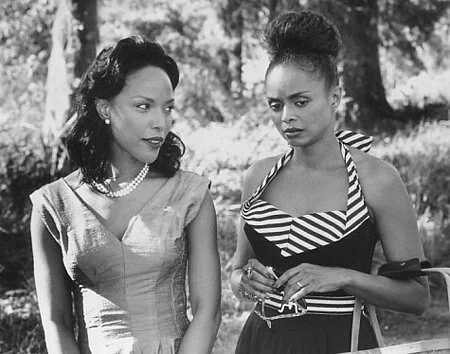
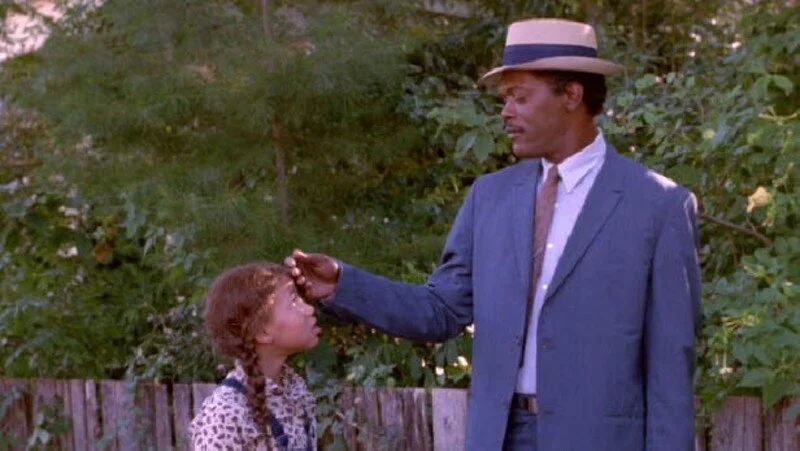
As you watch this beautiful movie, it's occasionally hard to believe that Eve’s Bayou is a film from a first-time feature director working from her first solo screenplay. It’s an assured and ambitious and emotionally satisfying story of life in the South in the early sixties, following young Eve (Jurnee Smollett) during a life-defining summer. 

Writer/Director Kasi Lemmons (best-known to filmgoers as Ardelia in The Silence of the Lambs) deftly mixes Southern gentility, voodoo and magic, and a touch of Rashômon-style story-telling to present the sometimes-comic, sometimes-tragic events of that summer from a child’s unique perspective. 

What was going on in your life and your career before you came to write Eve's Bayou?

KASI LEMMONS: I had been an actor for a long time. I'd done a couple of plays with really good companies, Naked Angels and Steppenwolf, and then I went to film school. When I got out of film school, I had a short film that was festivaling around, called Fall from Grace. And then I did Silence of the Lambs and moved to Los Angeles. 

What I really wanted to do was to write the perfect role for myself. To write the perfect part. If you could write a perfect part for yourself, what would it be? So I wrote the character of Mozelle for me to play when I got a little bit older.

Also it was very much an experiment in a certain type of language and a certain writing style. It was very ambitious. I knew what I wanted to do, but it was more of an experiment. And then when I was finished with it, I showed it to Vondie Curtis-Hall, who was my boyfriend at the time, and he said, "You've got to show this to somebody else." He was the person who said, "You can't put it in a drawer. You have to show it to somebody."

Where did the idea for the story come from?

KASI LEMMONS: I remember the first time I told any story from Eve's Bayou was at an audition. The casting director didn't want to see a scene from the show. He wanted us to talk. So I started spinning Eve's Bayou stories. I talked about my aunt who had gotten married five times and all of her husbands had died. That was true. The more fantastical parts of the story are true.

I wrote that story down as a short story and I wrote some other short stories. One was about two little kids, a brother and sister, who go and look in their grandmother's room. It talks about all of her medicines and the way in which her room was very evocative. And then another was about Eve and Jean Paul Batiste and how a bayou came to be named after this slave who saved her master's life with voodoo and witch-doctoring. So I had all these stories, but they weren't really connected. There was some connection in my mind, but I hadn't found it yet. 

Then I invented the character of Louis Batiste for the stories to revolve around. Way before I wrote anything down I could tell you the entire story of Eve's Bayou, the entire thing complete with flashes of lightning. I could tell you the whole movie. I had it all in my head.

How long did it take you to get it out of your head and onto paper?

KASI LEMMONS: From the time I could tell it all the way through, maybe a year.

I was in therapy at the time and I was very conflicted about what to do with my life, how to approach the next step, the next phase of my life. My therapist said, "You really need to take this pilot season off, don't audition for anything and write that story that you keep telling me about." So basically, my therapist told me to stay home for a few months and write it down and that's what I did.

Were you thinking about budget at all while you wrote?

KASI LEMMONS: I wrote it as a literary experiment. So, I wasn't thinking about anything other than wanting to get this story down on paper. As a matter of fact, when I first started writing it, I thought it might be a book. And then I ended up writing it as a screenplay and I had the idea of playing the role of Mozelle. But I wasn't really sure if it was going to turn into a book or a screenplay or what was going to happen with it. I just let it come out. I wasn't thinking about budget and I wasn't thinking about directing it at all. 

Once you had a draft done, how did you get feedback?

KASI LEMMONS: I have a select group of people who read every script. There are about five of them. They are the most critical people I know. I process their comments carefully. They usually don't agree on many things, so I look for the things they all agree on. If five people tell you something is bothering them, then maybe you need to look at that. I take what somebody says and try to see what resonates with me or if they say something that I've been thinking already.

What was it that made you decide to direct it?

KASI LEMMONS: I took a bunch of meetings that were a little bit frightening to me. I started to realize that I'd written a very delicate piece of material that could be misinterpreted very easily. In fact, it was just as easy to misinterpret it as it was to interpret it the way I intended. I took some scary meetings where I thought, "Oh God, I'd rather keep it in the drawer than let people interpret it this way." 

My producer kept saying, "What's a sexy idea of a director? Who's sexy?" And I was thinking, "Who's sexy? Who's sexy?" Literally I woke up on my birthday and it was an epiphany. I was like, "You know what? I'm going to direct it."

After that moment I never vacillated. I went to the producer and said, "I went to film school. My short film did really well and I've decided I'm going to direct this." He almost fell off his chair. But he was very supportive. The first thing he said when he recovered from shock was that he wanted to produce a short film for me to see what I could do. Something with a 35mm camera, real crew, the whole thing. And that's what he did. My agent put up half the money and he put up the other half. It was really amazing.

Did you change the script at all once you locked in on a budget?

KASI LEMMONS: At first the Batiste house was reminiscent of my grandmother's house. It had an elevator that went up to the third floor. And the little marketplace/fair where they meet Elzora, the voodoo priestess, was a huge, traveling fair that had a Ferris wheel. I took that out. I took a lot out of it and made it much, much simpler.

Was there anything that you hated to lose?

KASI LEMMONS: There was nothing that I hated to lose until the edit and then I lost something I hated to lose. It was extremely painful. It was a character named Tomy.

A whole character got excised?

KASI LEMMONS: A whole character. He was a member of the family. It was actually a lot of work to cut him out. 

He was a great-uncle who lived in the house. I never explain exactly what's wrong with him, but he's mute. He was modeled after my great-uncle who had cerebral palsy. In the director's cut, he's in a wheelchair and he's actually sitting in the room when what happens between Louis and Cisely happens. So he knows the truth but he can't speak. He was the mute witness and to me it was very beautiful that there was a mute witness in Eve's Bayou. Even though Louis and Cisely remembered it differently, there was actually somebody who knew the truth. 

At the end of the movie, when you see the little girls and they do their scene and they're standing on the bayou, I cut to him on the porch in his wheelchair and he knows what happened. But he can't say.

You did a masterful job of cutting him out.

KASI LEMMONS: He's in the movie, but I would have to freeze frame and point him out to you. There are places where we didn't remove him but you just don't see it, your eye doesn't go there.

What drove the decision to cut this fairly major character out of the movie?

KASI LEMMONS: What drove it was notes from the producer, Mark Amin, who was running Trimark. He hated that character. He hated it from the beginning. It was one of those elephants in the room that doesn't go away. In Eve's Bayou the people are very conspicuously pretty and then there was this older, disfigured person. To me it was beautiful that there was this older, disfigured person who lived in the house, it wasn't just the beautiful people. It was a relative in the house and I thought it was very black and very Southern that there would be some relative that you had to take care of. 

He really didn't like the character and we went back and forth over it. Finally I lost him and it was very painful. My crew made t-shirts with an empty wheelchair that read, "Where's Tomy?" Tomy was my real great-uncle's name so it was a real big deal that we lost that character. But it was something that I had to do and honestly, I'm pretty sure I like the version without Tomy better. It took me a while to come to that point of view. I like my "director's cut" an awful lot, too. But probably the version without Tomy is my favorite.

Once you decided to direct it, did you ever consider also acting in it?

KASI LEMMONS: No. I find directing to be a very, very voyeuristic art form. Almost a perversion. You're really watching other people's intimate moments and trying to get those moments out of them. But I don't think there was ever a question of me wanting to be in it once I decided to direct it.

What was the benefit of your acting background when it came to writing the movie?

KASI LEMMONS: I think the characters are always talking to me. But I think writers are like that whether they're actors or not. Being an actor definitely helped me to hear the characters.

What was the benefit of your acting background when it came to directing the movie?

KASI LEMMONS: I didn't really think that much about it until I saw in the Electronic Press Kit that almost all of the actors said I was a good director because I was an actor. But I hadn't really thought about it until then.

I don't scream direction across the set. I'll go up and talk to an actor intimately. I would treat them the way I would like to be treated, in that it's always, always, always a private conversation so nobody can listen to me direct actors. 

Did you have much rehearsal time?

KASI LEMMONS: I did. I had about two weeks. I used it mostly with the little girls, not exclusively but almost exclusively. I thought that these two little girls have to carry a movie and it's a very complicated movie. Some of it I wondered, was it over their heads? Jurnee Smollett was a very contemporary little girl, so I had to take her back into the 1960s. How you stood and what I thought her body language would be and who I thought Eve was, where the boundaries between Eve and Jurnee were. She's so facile, within three days she was Eve.

Did you do any tweaking of the script in rehearsal?

KASI LEMMONS: No. I think I had gone through about eleven drafts by then, so I was pretty locked on the one that I liked.

Was it much of a struggle for you to get that tone you felt in the script up onto the screen?

KASI LEMMONS: Not really, once the actors nailed the language. The language to me, and I really haven't felt this way with other things that I've written, but the language in Eve's Bayou was like Shakespeare. That's because it started out as a language experiment, so I made them say it word for word. And the words were really important to me. So they had to say it as it was written. Once they nailed the language, that really helped them fall into the tone.

How tough was it for the actors to get that and make those speeches work? I'm thinking in particular of Mozelle's "Life is filled with good-byes, Eve" speech.

KASI LEMMONS: That's my favorite speech. Debbi Morgan's such a wonderful actress. She came in and her audition was wonderful. Wonderful. She really got it. And once she got the words exactly, like, "Well, you musta been thinking something right before you was thinking that, what led you to that particular thought?" Once you could nail the words and you're not improvising on the words, you're saying those exact words, the words help with the character. But she was so wonderful, she was wonderful from the beginning and she understood Mozelle. There was a part of her that was Mozelle.

Did you learn anything writing Eve's Bayou that you're still using today?

KASI LEMMONS: You know, there's an innocence when you write your first script. You don't know what the rules are. It's almost something that's really hard to reclaim. So that's what I'm always trying to get back to, that innocence, to try and be that pure. I don't know that I can ever do it again, but to try and remember to be that unleashed in a way.

What's the best advice you've ever received about writing?

KASI LEMMONS: I'm not sure who gave me this advice, but it's understanding that people usually don't say exactly what's on their mind. There's nothing more tiresome than a script where people say exactly what's on their mind all the time. It's just not the way people talk.

As an actor, you need subtext and intention. You know what the character wants from each scene and you think of them as if they were real people talking in your ear. 

What was the best part of your experience on Eve's Bayou?

KASI LEMMONS: The collaborating. I love collaborating. I like writing, too, but writing's really lonely. You're in a room and you're by yourself and your friends are all going out to lunch and you are stuck with your computer. Directing is a collaborative art. 

One of my favorite things is hiring brilliant people to work around you. And hopefully what you've written has inspired them to want to come work with you. It's like you are plugged into their genius. You're not just relying on yourself. It's not lonely; as a matter of fact, there's a feeling of security in that you've put together a team and they each know how to do their job and you can't live without them. I love collaborating. It's my favorite thing.  

Dying to make a feature? Learn from the pros!

"We never put out an actual textbook for the Corman School of Filmmaking, but if we did, it would be Fast, Cheap and Under Control." 
Roger Corman, Producer

★★★★★

It’s like taking a Master Class in moviemaking…all in one book!

  • Jonathan Demme: The value of cameos

  • John Sayles: Writing to your resources

  • Peter Bogdanovich: Long, continuous takes

  • John Cassavetes: Re-Shoots

  • Steven Soderbergh: Rehearsals

  • George Romero: Casting

  • Kevin Smith: Skipping film school

  • Jon Favreau: Creating an emotional connection

  • Richard Linklater: Poverty breeds creativity

  • David Lynch: Kill your darlings

  • Ron Howard: Pre-production planning

  • John Carpenter: Going low-tech

  • Robert Rodriguez: Sound thinking

And more!

Write Your Screenplay with the Help of Top Screenwriters!

It’s like taking a Master Class in screenwriting … all in one book!

Discover the pitfalls of writing to fit a budget from screenwriters who have successfully navigated these waters already. Learn from their mistakes and improve your script with their expert advice.

"I wish I'd read this book before I made Re-Animator."
Stuart Gordon, Director, Re-Animator, Castle Freak, From Beyond

John Gaspard has directed half a dozen low-budget features, as well as written for TV, movies, novels and the stage.

The book covers (among other topics):

  • Academy-Award Winner Dan Futterman (“Capote”) on writing real stories

  • Tom DiCillio (“Living In Oblivion”) on turning a short into a feature

  • Kasi Lemmons (“Eve’s Bayou”) on writing for a different time period

  • George Romero (“Martin”) on writing horror on a budget

  • Rebecca Miller (“Personal Velocity”) on adapting short stories

  • Stuart Gordon (“Re-Animator”) on adaptations

  • Academy-Award Nominee Whit Stillman (“Metropolitan”) on cheap ways to make it look expensive

  • Miranda July (“Me and You and Everyone We Know”) on making your writing spontaneous

  • Alex Cox (“Repo Man”) on scaling the script to meet a budget

  • Joan Micklin Silver (“Hester Street”) on writing history on a budget

  • Bob Clark (“Children Shouldn’t Play with Dead Things”) on mixing humor and horror

  • Amy Holden Jones (“Love Letters”) on writing romance on a budget

  • Henry Jaglom (“Venice/Venice”) on mixing improvisation with scripting

  • L.M. Kit Carson (“Paris, Texas”) on re-writing while shooting

  • Academy-Award Winner Kenneth Lonergan (“You Can Count on Me”) on script editing

  • Roger Nygard (“Suckers”) on mixing genres

This is the book for anyone who’s serious about writing a screenplay that can get produced! 

Director John Badham on “Wargames” and more.

Gaspard: So, thank you for talking to me. I could talk about every single movie you've done. But I'm not going to do that. I have focused myself to take principles from the two books, both of which I love, and take some of those principles and see how you applied them in different situations on three different movies. So, just to get some background to make sure I've got the history right, your first TV directing gig was on The Bold Ones, right? The Senator.

Badham: Yes. Yes, that's right.

Gaspard: And then your first TV movie was The Impatient Heart.

Badham: Right, right, yes.

Gaspard: Okay. So, I'm just doing some rough figuring and before you shot Bingo Long, which was your first theatrical feature, you did somewhere between 35 and 50 hours of TV. You had a lot of stuff under your belt before you tackled that theatrical feature, because of all the series you did, and the Made-for-TV movies. So, you were pretty well learned by that point for that first feature. How did that help you on that first one?

Badham: Well, it certainly helped you learn how to prepare things, what you needed to do, and working with actors, getting attuned to working with actors. The mechanical parts of it are fairly easy to learn—

Gaspard: Right.

Badham: —the cameras and lenses and the microphones and the lighting and and stuff like that.

I feel very comfortable just from my years at the Yale Drama School, working in theater where you're doing somewhat analogous things along the way. And then as I was working my way toward directing—once I came to California and was working at Universal—I was able to sneak down to people's sets and meet directors and kind of hang out with them and found an interesting approach. Because, initially, going and hanging out on a set sounds like a lot of fun. And it's good for about 10 minutes and then it is just boring as hell.

And I realized I don't want to, this is boring. What could I do better? And then it came to me: The truck just ran over the director, and I have to do it. What am I gonna do? So I would get hold of the script and try and prepare the day's work roughly, and then come down and be able to watch what the director was doing.

And it didn't matter who was right or wrong. What it did matter was because I had thought it out. I had a basis on which to judge, you know, was it a good idea they were doing, what stuff would I have forgotten? I just learned by watching that that way.

And so, after, four or five years of doing television, I was pretty well versed in a lot of high speed, quick filmmaking for, episodic television in particular. But then the movies of the week, you know, were a nice step in between. There you had a chance, you're still working quickly, but not nearly at the silly lightning pace of the episodic.
Gaspard: So, was the speed at which the features were shot, was that easy to ease into? Or were you always just thinking, why is it going so slowly? Why aren't we going faster? Why, why, why, why?

Badham: Yeah, it seemed to me on, on Bingo Long where they said, well, we're going to shoot this in 38 days. And I thought, 38 days, what am I going to do in the afternoon? Oh my God, I can go home after lunch. We'll get this. Well, little did I know how long camera would take and baseball games to shoot and stuff like that. And the production manager kept telling me, “it's going to be 52 days.” And I said, “No, no, we promised 38, that we would do 38. I'm going to do it.” “No, it's gonna be 52.” Because he was right. It was 52, right on the money.

Gaspard: Yeah.

Badham: He knew it. So, I just had to regear my brain. Same thing on Saturday Night Fever. Same 38 to 52 days, you know, just me getting to understand what that next level up of filmmaking requires. And in terms of the detail of the filmmaking and the careful performances and things like that.

Gaspard: When you look back on, on the hours and hours and hours of, you know, on the job training you had before that first feature … and then you think about directors starting out today, who simply don't have that, getting all that experience is hugely helpful. And I know you've taught for years. What, advice do you have for someone who's diving into a feature for the first time who doesn't have 40 hours, 50 hours of finished TV work under their belt?

Badham: They're in a lot of trouble. That's what the truth is. You know, it's so much harder than it looks. And I see that with my students, with the filmmaking that they come up with. It's really difficult to learn it. And the thing that turned out to be really good in my case and some other friends of mine is that we got a lot of practice and learned how—if we stubbed our toe—it was not the end of the world. That you could get through it, because it is harder than it looks.

And they've got a great, harsh awakening coming for them. You know, I've worked with several cameramen who've become directors. And of that, several, almost all of them, never did it again. It drove 'em crazy, and they were brilliant cameramen. You know, these were top of the line, the best guys in the world. And they said, “oh my God, we're going to get a so-and-so to direct this.” And they hated it, because you had to deal with actors. And they were used to a crew that would just jump: If you, said jump, and you know, how high? Ten feet. They'd jump 10 feet. But the actors are going, “What?” They didn't like that.
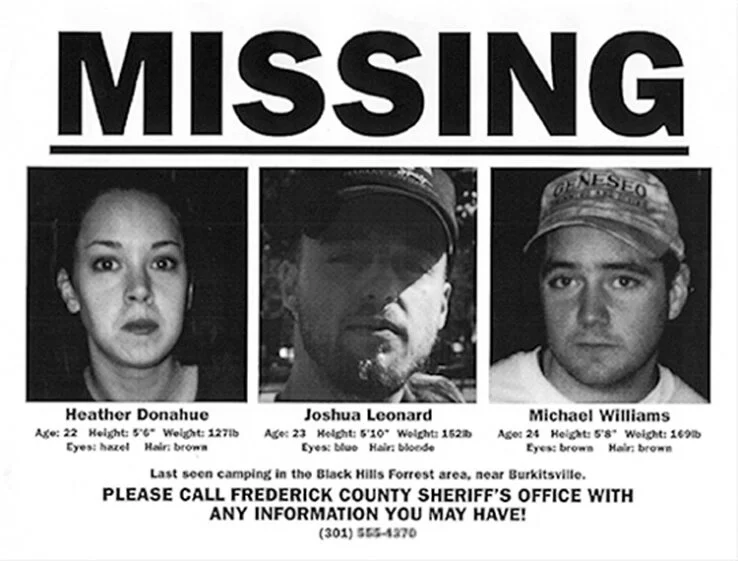
Gaspard: That's your special gift I think. You can direct action like nobody's business, but when it comes to getting an actor where you need them to be, I mean, you, straddle both sides really, really nicely. I do want to talk about Isn't It Shocking? I don't know why I know it as well as I did. It must have aired at least twice when it came out. And that's around 1973.

Badham: Right. Yes.

Gaspard: I know that I was a big Harold and Maude fan, so I wanted to see Ruth Gordon in something. But I was really taken by it, and it stayed with me for years and years. And I found it recently on YouTube. You can see the whole thing on YouTube, not a terrible print of it. And some questions came up. First: one of the first credits on it says David Shire did the music. How did that happen?

Badham: I was at Yale when David was there and worked on two musicals that he and his partner Richard Maltby wrote. And, so we were friends from there and I was, you know, excited to be able to bring on a composer. I think it was the first one that he had ever done, the first film he had ever done. I mean, he might've done some low budget things, but my recollection is, that he had been playing the piano for The Fantasticks off Broadway forever and ever. That was his day job.

Gaspard: How did Isn't It Shocking? come to you?

Badham: I think my agent at the time was able to talk two very young producers into taking a look at work that I did, which was at that point, I think. The Impatient Heart was probably what they might have looked at, at that point.

And, it was just a wonderful script, you know, it was just laugh-out-loud reading and so much fun to do. And we shot it really quickly, like in 12 days up in Mount Angel, Oregon.
Gaspard: The casting of it is so terrific. You know, besides Ruth Gordon, you've got Will Geer, you've got Alan Alda, you've got Louise Lasser, you have Lloyd Nolan. I know you kind of started out in casting and you've consistently had really smart casting on all the movies. Do you remember how that cast came together?
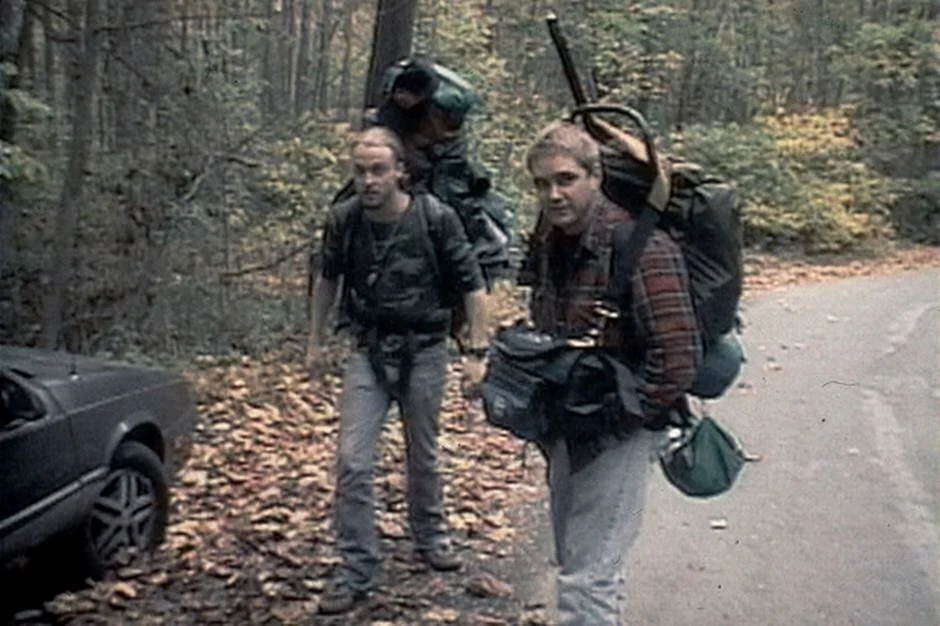
Badham: Well, my producers were New York based and they had a great sensibility for actors, like Louise Lasser, who I didn't know at all. Will Geer I certainly knew, and Lloyd Nolan I had worked with. Alan Alda was, you know, we all admired his work and thought we were really lucky to get him right at the end of the MASH season.

Gaspard: Yeah, it looks like was right at the end of the first year of MASH.

Badham: Right. And we were shooting on the lot at Fox where MASH shot any anyway, so I was able to go over visit with him and talk with him and get to know him. But, as I say, my producers were very helpful because they were just into every detail. They were over my shoulder, breathing down my neck in the middle of closeups, you know, “We need more goop on them. We need, this is not goopy enough. “

Gaspard: Goop is very important in that movie that you needed enough goop, because it gets bad when he runs out of the goop,

Badham: It drove me a little bit crazy. And, at one point, as they're whispering in my hair during a take, I call “cut.” I reached for my wallet, pulled out my Director's Guild card and said, “Here, you fucking do it.”

Gaspard: Oh boy. You know, this is at least two or three years before Mary Hartman. So, at that point Louise Lasser is from Bananas and—

Badham: A couple of Woody Allen movies.

Gaspard: Yeah, a couple Woody Allen movies, but not that famous. It felt to me like this could have been a backdoor pilot, that if MASH didn't go, here we have these two wonderful characters of Louise Lasser and Alan Alda solving crimes every week. With, you know—not that Ruth Gordon wanted to do a TV series—but it would've been a fun way to continue those characters. Because they were really charming together.

Badham: They were wonderful. And we forgot about Eddie O'Brien.

Gaspard: Oh, exactly. He looks so upset in that movie. It's hard to watch him sometimes.

Badham: I had seen him in a pilot that Jack Lord was starring in, and he played a bad guy. He had these thick coke bottle glasses on, and he was quite a treat. He was quite a handful. Because he wasn't always very focused and sometimes getting him off, “Okay, that's that shot, now we're going to focus on this shot.” And he's still back in the earlier shot.

Gaspard: Well, you were juggling so many different kinds of acting styles, and that's one of the things that I want to talk about from the book: When you have, you know, in one scene, an Alan Alda, Louise Lasser and a Lloyd Nolan. I'm guessing they're acting styles were a little different, or their approaches were a little different. How do you juggle different techniques when you need to get everybody on the same page pretty quickly?

Badham: It's a real challenge to do that because you have some people that like to rehearse a lot. Some people that don't like to rehearse very much at all. Some people that are good on take one and other people who don't start to get good till four or five. And you're going to find, every single time, you're always going to run up against these disparate characters.

If they haven't worked together a lot, you're now trying to massage. You know, “Am I going to shoot Will Geer first in this scene? Or am I going to wait because he gets better later on?” And if I shoot over his shoulder, he is kind warming up, so when I'm ready to turn around onto him, he's at that good cooking point. He's simmered, you know, he is done. You can stick a fork in him, and it will be all right.

Gaspard: That's invaluable knowledge to have when it comes to planning out your day and your setups.

Badham: Oh yeah. I mean, once you start to get a fix on how the people like to work. I learned once from Jodie Foster—I worked with her when she was very young and we were kind of become friends—and I was asking her how she likes to work with actors. She said, “The first thing I do, is I go up and I ask them how they like to work?”

You know, do you like notes from the director? Do you like to go first? Do want me to let you move, find your own blocking? And just kind of having these conversations lets you know a ton of stuff. Elia Kazan talks about it all the time in his book, saying actors will tell you anything, you've just met them, and they'll tell you their entire life story in a few minutes. And you can learn so much about their acting style, just from the stories that they tell and their perspective on the world. And you're so smart to be able to go and have dinner with 'em a couple of times, to sit with them and just not talk about the business, but just their life and understand, you know, what you may be able to get from 'em.

Gaspard: That’s so smart. Just that idea of, well just ask him. You don't have to pretend to know everything. And that's one of the things you keep coming back to in both books is: don't pretend to know everything. Ask, ask. And that's so smart to just ask them the way they want to do it.

A friend of mine was one of the editors on Veep. And he said it took them a little while in that show to realize that, you know, most things are shot, you do a master and then a closeup, and a closeup and a closeup. And he said it doesn't work on an improv show. You have to do all your closeups first until everyone's sort of settled into what they're going to do. And then you do the master at the end, because that'll match. He said, you do a master up front, it's not going to match anything you're doing. And it's like, well, duh, obviously. But we're so attuned to this idea of, well, you know, you start out and then you move in and move in. They just turned it on its head and went, no, it's got to go the other way. Or the master is just useless.

Badham: Right. Well, those are outrageously funny.

Gaspard: So. speaking of improv, you mentioned I think in one of the books, one of my favorite Ruth Gordon stories. I was lucky enough to meet her when she came through town here in Minneapolis, Harold and Maude played for two and a half years, when I was a teenager. And I got to meet her and Bud Cort and hang out with them a little bit during that time. And in one of the books you talk about, where she came up to you and said, “This line isn't working for me.” And you said something along the lines of, “Well just, you know, say what you want.” And do you remember what her response was?

Badham: Oh yes, absolutely. I said, “Well, Ruth, what would you say?” And she looked me right in the eye, kind of waggled her finger and said, “Oh no. I get paid for that.”

Gaspard: Yeah.

Badham: And she went ahead and said the line as written, the one that she started out complaining about.

Gaspard: A couple more things on Isn't It Shocking? There's one point in it where Alan Alda is walking through, I believe it's Ruth Gordon's home. And you did—for that movie—a pretty long continuous shot. Now you said you shot in, was it 12 days?

Badham: Right.

Gaspard: How risky did you think it was? Maybe you did do coverage on it, we just didn't see it. But when it comes down to setting up shots like that, what are you weighing in your mind when it comes to how much time I have and what I need to get done today, and continuous shots versus a lot of coverage?

Badham: Well, you know, usually the continuous shots, you can get several bits of coverage in the shot itself. And so if you write down the amount of time it takes to do a continuous moving master versus a lot of separate shots, it works out about the same.

Gaspard: Okay.

Badham: It's just a different way. And in that particular shot, if I remember it right, we pick up Alan Alda coming in the front door and then as he's walking through, there are cats hanging everywhere and cats dropping down out of the ceiling onto him. And you could see them hanging on light fixtures. They're all over the place. And I,remember our production manager had an arm full of kittens and he's walking behind the camera, putting them up in all these places and you could see them kind of hanging on by the front paws or whatever it was. It was very funny.

Gaspard: It's a delightful movie. It was crafted in such a way that at least it seemed to me like you had very cleverly gone, “Well, I can get name people because they're only going to be here for a couple days. It's not a big deal.” You know, “I only need Will Geer for a few days,” if you're shooting it that way. “I only need Ruth Gordon for a couple days. I only need Lloyd Nolan for a couple days.” So, it's kind of fun for them, but it's not a huge commitment.

I think a lot of filmmakers don't think that through when it comes to, you know, you might be able—if you're making a low budget, no budget movie—you might be able to get somebody to come in for very little if they like the script. And if it's only going to take a couple days. If they're going to be sitting around for three weeks, well that's a whole different consideration. But if they can have fun for a couple days, that's just a really smart way to write it, I think.

Badham: Yeah, it was nice. It was easy to get to, because we fly 'em up to Salem, Oregon. I think everybody was from LA. I forget where Ruth Gordon was coming from, but that was not bad. And it's a very pleasant area there in Oregon. The air is just fabulous compared to LA air, especially at that time. And, you know, just really, really pleasant. 

Gaspard: Well, if you haven't seen it for a while, it is on YouTube. Give it look. And I think should talk to the producers about getting it out on Blu-ray and you should do a commentary on it. It's just a little lost gem. Okay. Enough on that. We'll move on now to probably my favorite John Badham movie, and that's WarGames. What I was surprised to learn, was that you came into the movie when it was already up and running. Some stuff had already been shot, right?

Badham: Yes. They had shot for maybe a week and a half, I'm guessing.

Gaspard: Okay. And that was Marty Brest who started it and then went away?

Badham: Right. Yes.

Gaspard: Another terrific director, with Midnight Run being one of the best comedies, maybe of all time. So, what do you do in a case like that, when they say, you know, the phone rings and they say, “This movie's up and running. Get up to speed as quick as you can.” What does that mean? How quickly can you get up to speed?

Badham: Well, my agent calls me and says, “There's a picture that they would like you to take over, and I don't think you should do it.” “Why is that?” “Well, it's always when they're in trouble and they have to replace the director, there's, going to be real trouble there in River City, so stay away.”

I said, “But what if it's any good?” And he said, “Well, I don't know.” I said, “Well, I think we should read it.” So, I read it and I said, “This is really wonderful.” And I go in to meet with Paula Weinstein, who was running UA at that time. And after we talked for a while, she said, “When could you start shooting on this?”

And it was about two in the afternoon. I said, “I can walk over there and start shooting right now.” She went, “What?”

I said, “The trouble is, it won't be any good.” She said, “Why not?” I said, “Because I barely read the script. I needed time to, you know, kind of absorb it and get my head wrapped around the thing. I think it's a wonderful script and, and I could do it, but the shots I would be doing would be pretty generic. And that's not what you want. You need something, you know, that is not as dark as Marty was bringing.”

Because I did have a chance to look at the dailies that he had shot and was watching the scene where Matthew Broderick first takes Ally Sheedy up to his bedroom and shows her how he can change her grade on the computer.

And I'm looking at this scene and I'm kind of thinking, “The actors are good. I don't know who these kids are. Photography's wonderful. What's the problem here? Why is it not working?” And then it came to me, they're not having any fun. If I could change a girl's grade on the computer and I was that age of 15, 16, I would be peeing in my pants with excitement, you know? I would not be treating it like we were sixties rebels on the dark web—if there had been such a thing at the time. It's not that at all. It's a kid who's into games and playing. So that was the first thing that I re-shot—I took them right back to that bedroom on the stage.

And it took us, oh my gosh, several takes before we could even get them warmed up. Because Matthew and Ally figured that they were going to get fired any minute too. So, they were terrified of me. And as we kept doing takes, I would just run in there and tell jokes and tickle 'em and do anything to make it, ‘this is light and breezy and we can have fun.’

And so around take 12 or 13—I never do that many takes, but I figured I can't turn in dailies, that look only a little bit better. They've got to be a hundred percent better for the studio to have gone to all this trouble. So, I said to them, I said, “Okay, we're going to have a little break here. We're going to take 10 minutes for coffee. Matthew and Ally, you and I are going to have a race around the outside of the stage, and we'll race around here, and the last person back has to sing a song for the crew.

Gaspard: That was going to be you,

Badham: I knew who that per person was. You know, I'm like 20 years older than them already at that point. I know who's going to lose. And as we get back to the stage, of course I'm last. And I remember this old song that we used to sing in Glee Club in high school called The Happy Wanderer, where a guy yodels. And that just kind of helped break the ice and, loosen them up so that they started to get more playful with it.

Gaspard: How did the bit of business where she traps him between her legs come about? Was that a rehearsal thing? Was that you? Was that them?

Badham: Oh, I think it was something Ally just did.  It was very, very erotic in its own little way.

Gaspard: And his reaction is great too. because he doesn't know what to do.

Badham: Yeah. Yeah. That's right. I forgot, totally forgot about that, but I do remember it happening.

Gaspard: You know, if in a parallel universe I'd be interested in seeing what a finished WarGames by Martin Brest would look like, but I'm glad we got your version, because I think that's the one that's more of a crowd pleaser.

By the time you were pulled in, was the NORAD set already designed and built?

Badham: It was. Yeah, pretty much built, they were already shooting tests in there to see how to sell the thing the best. And Billy Fraker, the cinematographer and myself, went over there and spent a lot of time walking around saying, you know, “how would we shoot this?” You know, how was I thinking about shooting it versus whatever Marty had in mind.

Gaspard: Right. Was all the casting done at that point? Was Dabney Coleman already cast and John Wood?

Badham: Dabney Coleman was cast. John Wood. I recast, Matthew's father.

Gaspard: Okay.

Badham: I didn't care for the father they had. And I recast the general, who they had. He was okay, but it needed a bigger personality.

Gaspard: The visuals on the Crystal Palace set on those screens, were those already in production when you came on? Because there's a lot going on on those screens and that's all happening live while you're doing it, right? This is not today. This is back then, and everything that happens happens right in front of the camera. Were those all ready to go when you came on, or were you part of getting that ready? Because there's so much stuff going on in those screens.

Badham: This movie, as far as that concerned, was brilliantly prepared. I mean, they were creating film that would take you several minutes per frame in the optical printer to create. And that had been going on for quite a long time because they had six front projectors, four rear projectors, and 82 video monitors. All of these hundred and whatever had to work in sync with each other, which had never been done before.

Nobody had ever tried to gang that much equipment together to run. And the Hollywood family that did this for years, the Hansards, were able to solve the problem, so you had all these projectors running in sync and you could photograph from any angle which, you know, you maybe might have trouble doing if you were doing blue screen. It used to be with front projection, rear projection, you didn't want to move the camera because you didn't want to get off the hotspot of the arc light. If you got off to the side, it would fade out. But the film had gotten a lot faster. And Fraker was just the best at making all this stuff go together.
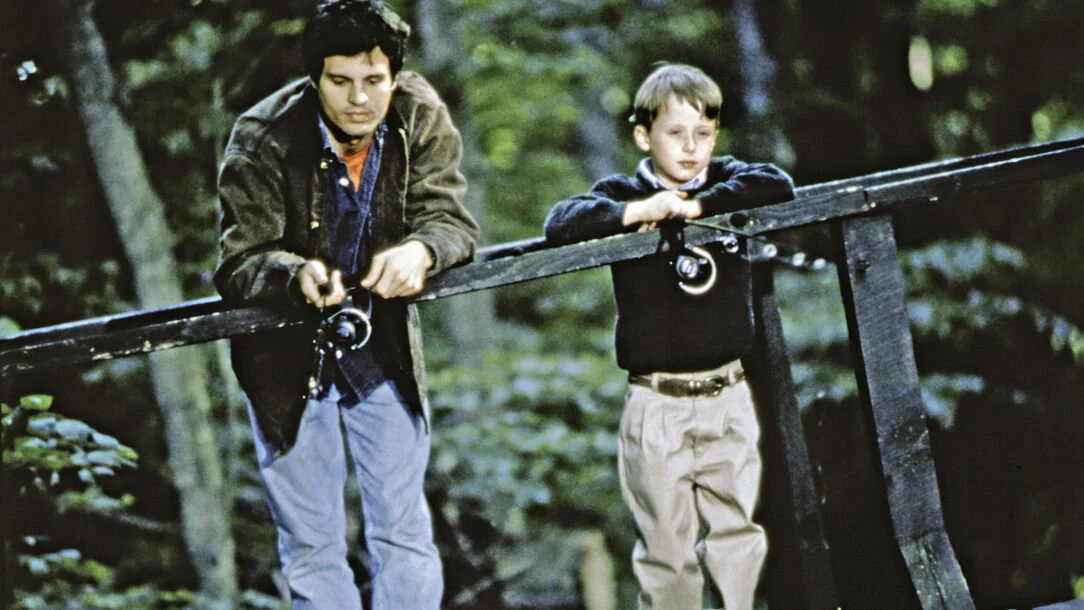
Gaspard: The sequence at the end when everything's blowing up, you get so much bang for your editing buck and you're shooting it all live. That's what just kills me. I mean, nowadays they would just, “okay, we'll deal with all that in post.” But you had to go into the edit suite with all those shots of all those screens, doing all those different things for that last big, WOPR explosion thing. For the time, it's really incredible.

Badham: Well, I much prefer it that way. You know, Jim Cameron in the latest film of Avatar, he is managed to get it so what he sees through the camera is what you're going to see on the screen. He is not waiting for stuff to come back from some horrendously tedious project. And so, we are doing a much cruder version of that than what Jim was able to accomplish. But it's, you know exactly what you've got at that time, and you're not suddenly stuck with bad exposures and nasty looking bad blue screen work.
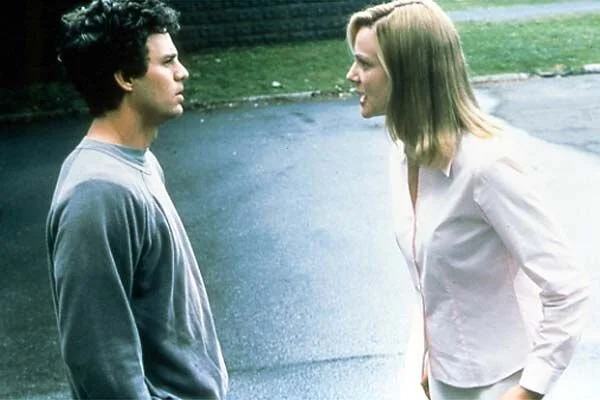
Gaspard: That's the balance that I think is so amazing in your career. Great performances, highly entertaining stories, but my goodness, the action and getting all the pieces you need. Just an education in itself.

John Wood. I'm a huge fan of John Wood. He wasn't in enough movies. What was it like working with him?

Badham: This was an absolute lovely English pro of the first order. You know, English actors are so disciplined and so together, compared to our American actors who tend to be a little loosey goosey. So, I had somebody who was just totally focused on doing the best job that he possibly could.

And he was so humble, maybe falsely humble. I used to think that. But he would come up and say, “Oh, dear boy, I'm ruining your movie.” And I'd say, “Oh, John, that's bullshit. Just shut up. You're doing great, it's just lovely.”

And he was at that point just starting rehearsal for Amadeus, to play the Salieri part on the road. And he was asking me, he said, “They've got us on a raked stage, for this, which is fine,” he said. “But my back is killing me. I can't be on this raked stage with the high heel shoes of the period.” And I sent him to my chiropractor, in Culver City. And he came down to where they were rehearsing and managed to completely solve his back problem with different kinds of shoes and stuff like that. So, John was just, you know, so, grateful for that, because he was miserable.

Gaspard: In WarGames he is the center of one of my favorite shots of yours in the war room, when he first enters, and he comes down the stairs and crosses the entire room.

Badham: Mm-hmm.

Gaspard: Do you remember how you did that shot?

Badham: Oh yeah. Well, we did it with a crane that was designed to work inside and was one of the first cranes that would extend out and pull back through the space that he was going through.

Gaspard: Was that the Luma Crane?

Badham: Yes, it was, thank you.

Gaspard: I remember that from Polanski's Tenant film. He had it where it snaked up through a stairway, but it's such a lovely shot.

Badham: It did work out really nicely. The war room was stepped up as you went toward the back of it, it went up, you know, four or five steps. So, it wasn't a matter of being able to dolly straight back, because you couldn't do that. But the Luma Crane was better than your average Chapman Crane because it had this extender on it. The mechanics of it were very difficult, however, and it slowed you down to a crawl because it took so long to get it set up, rigged and = right. And now, there's better equipment, so I'm sure nobody except Mr. Luma uses it anymore.

Gaspard: Right, but at, but at the time it was—

Badham: —oh. It's great.

Gaspard: An audience member watching the movie is unconsciously aware of the fact that this room has steps and goes up because you've seen people coming down the steps, going up the steps, even to the stairs on the side. But I mean, the room is just tiered. And so, when you see John Wood come down the stairs, cross the room and go up and up and up and the cameras with him the whole time, you mentally go, “how were they following him? They're going up steps.” And it's not steadycam, because I don't think steadycam came about till maybe—

Badham: Steadycam was around since 74.

Gaspard: Anyway, it's just a fabulous shot. Two more things on WarGames. The opening scene, with the two guys who are in the bunker, is such a great tension scene. It's beautifully staged, but it also sets up the theme of the movie so perfectly. Was that always the opening of the script?

Badham: As long as I worked on it, it was always the opening.

Gaspard: Did you make any changes or go back to previous drafts when you came on board?

Badham: I did. I asked them to send me every draft that they had, and they had taken the original writers Lasker and Parks and had replaced them with a couple of other writers, and they had changed the script quite a bit. And I went back and read Lasker and Parks and said, “this is the one that we need. I'm throwing these other ones out.” And I called the guys up and I said, “Come back. Help me out here. You know, we can tidy up the script the way you like it, the way it should be.” So, we were able to do that and to finetune it to where I think it was doing the right thing or doing the best job.

Gaspard: Okay. One more WarGames question. In the I'll Be In My Trailer book—and in both books—you talk about being totally honest with actors. But you are occasionally willing to keep them in the dark, or I wouldn't say trick them, but not necessarily tell them everything is going to happen, just to see what they do. The example in WarGames is when Matthew Broderick tussles, Dabney Coleman's hair, after his hair has been tussled by Dabney Coleman. And I believe that that was something you told Matthew to do, but you didn't tell Dabney. How often does that come up, and how often should you use that sort of technique of surprising people on camera?
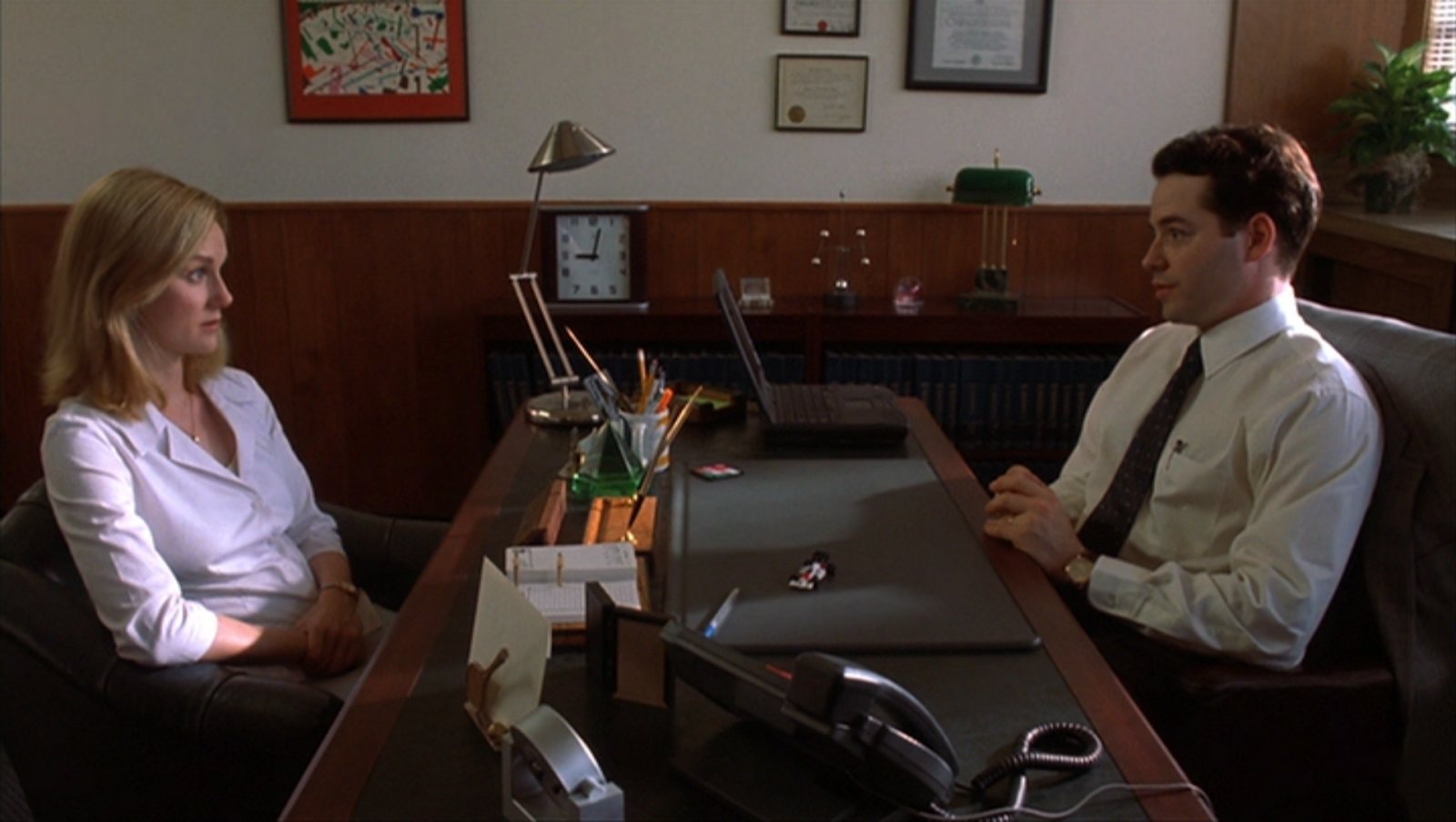
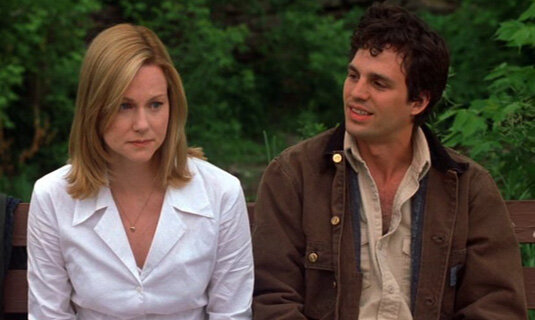
Badham: Well, I think it can be fun. You get a spontaneous reaction from them and if it works, that's great. If not, you've always got what was scripted.

Gaspard: Right. 

Badham: And sometimes you just get an idea watching it. For example, the Dabney Coleman/Matthew Broderick example that you give: they had to kind of shake hands or hug or whatever, and in the excitement of it, Dabney rubs Matthew's hair in the rehearsal. And so, I went over and told Matthew on the quiet, “Hey, you do it to him, you know, to surprise him.” Because Dabney has a temper and he kind of reacts and I knew he was not going to just take it lying down. And yet he's like, you know, six or eight inches taller than Matthew. So Whatcha gonna do You gonna hit the kid?

Gaspard: It's a lovely moment. And what I love about that ending of WarGames is that when the movie's over, it ends. You don't drag stuff out, the movie’s over and we're done. I wish more films did that. Is that just a built-in barometer with you that you just know when it's time to just put up The End?

Badham: To get out. I mean, I hate watching movies where you just have one ending after another and you've gotta wrap up every single character. And I understand why people do that, but it just bores me silly. And that's probably coming from working in television where they always have to have—at the end of an episode—an epilogue. You know, we've convicted the murderer, we've gotten the bad guy, you know, and then they go to commercial and they can come back and they have a two minute scene. And usually it's just deadly stuff. There's nothing, much fun about it.

I did a lot of episodes of Supernatural and they had hit on a formula that actually worked great. Which was, you went to commercial, when you came back, you'd always have a scene with the two brothers that was sort of off topic from what the rest of the thing had been. And it was just great fun. And you hung in there to watch it. because it was a delightful addition. It was not some, you know, millstone hung around the series neck.

Gaspard: It's not literally filler where you're trying to fill those two minutes. You've actually come up with something fun. Do you have a couple more minutes? Just talk about Dracula very quickly.

Badham: Yeah. Let's do that.

Gaspard: What a great version of Dracula. I believe in one of the two books, one of the things you said was, “Don't be afraid to say, ‘I don't know, let's figure it out.’” And I got the sense you did that a lot on Dracula. There was a lot of, how do we do this? I don't know, let's figure it out.

And you had some of the best people. One of them I want to ask about is working with Albert Whitlock and matte paintings, which are beautiful in that movie. And, of course, seamless, because his stuff was seamless. I should know how this is done. I don't. Is he painting the painting and you're bringing it live to the location and setting it in front of the camera with the part open that you need for the live thing? Or is that all placed on in post?

Badham: The old-fashioned way to do it is you would set a frame up in front of the camera and, now let's say you were extending a building up, so you would literally stand there and paint it on the spot.

Gaspard: Okay.

Badham: That was the first way that they did it. So that when you shot the film, you had a combined matte painting: it was all together as one piece. Albert, what he did was, he would block off in black all the parts where he's going to paint and just leave open the parts that we're going to photograph and make it so that none of that black part was exposed to anything. He would make you put down a platform that was rigid, it would take an earthquake to move, because nothing could move, everything had to be absolutely stone rigid and you would shoot two or three takes of whatever it was, the castle, Dracula’s castle was one that we did, you know, several of.

And now take that film back to his studio and put it in the refrigerator. Do not develop it. Now he would go in and clip off a few frames from the unexposed negative and develop that. And now create a matte where he painted in everything. And he could now take the original film out of the refrigerator and he would run that through the camera again, not exposing the part that had already been exposed, but now just exposing the top. And so, it was all original negative. That was his whole feeling, that he was not working with dupe negative at all.

Gaspard: That's why it so great.

Badham: And it is absolutely perfect. By that point in England, the guys had kind of tried to go beyond that and figuring—with new film stocks—they could make dupe negatives. Albert only gave us 10 shots, and other ones that we had were done in a newer style, where they didn't have original negative and they don't look as good as what he did.

Gaspard: One last question about actors, because you had a great example in Dracula of dealing with an actor who was sort of playing with you to get more time on camera. And that was Donald Pleasance and his bag of candy. At what point did you realize that he was doing that, and what advice do you give to someone who has an actor who's playing games to be on camera?

Badham: When you realize what's going on, you have to decide how are you going to deal with this? I had a similar situation with James Woods in a movie called The Hard Way, and he's the same kind of same kind of guy. Exactly. Always looking to kind of sneak more time on camera, how to upstage other people.

Donald is the genius at up staging other people. And I would just call him on it and say, “Donald, let's give Lord Olivier his close up here. Let's give Larry his closeup.” I never called him Lord Olivier. If you called Olivier ‘Lord Olivier,’ he’d say “Larry, dear boy. Larry.”

Dying to make a feature? Learn from the pros!

"We never put out an actual textbook for the Corman School of Filmmaking, but if we did, it would be Fast, Cheap and Under Control." 
Roger Corman, Producer

★★★★★

It’s like taking a Master Class in moviemaking…all in one book!

  • Jonathan Demme: The value of cameos

  • John Sayles: Writing to your resources

  • Peter Bogdanovich: Long, continuous takes

  • John Cassavetes: Re-Shoots

  • Steven Soderbergh: Rehearsals

  • George Romero: Casting

  • Kevin Smith: Skipping film school

  • Jon Favreau: Creating an emotional connection

  • Richard Linklater: Poverty breeds creativity

  • David Lynch: Kill your darlings

  • Ron Howard: Pre-production planning

  • John Carpenter: Going low-tech

  • Robert Rodriguez: Sound thinking

And more!

Write Your Screenplay with the Help of Top Screenwriters!

It’s like taking a Master Class in screenwriting … all in one book!

Discover the pitfalls of writing to fit a budget from screenwriters who have successfully navigated these waters already. Learn from their mistakes and improve your script with their expert advice.

"I wish I'd read this book before I made Re-Animator."
Stuart Gordon, Director, Re-Animator, Castle Freak, From Beyond

John Gaspard has directed half a dozen low-budget features, as well as written for TV, movies, novels and the stage.

The book covers (among other topics):

  • Academy-Award Winner Dan Futterman (“Capote”) on writing real stories

  • Tom DiCillio (“Living In Oblivion”) on turning a short into a feature

  • Kasi Lemmons (“Eve’s Bayou”) on writing for a different time period

  • George Romero (“Martin”) on writing horror on a budget

  • Rebecca Miller (“Personal Velocity”) on adapting short stories

  • Stuart Gordon (“Re-Animator”) on adaptations

  • Academy-Award Nominee Whit Stillman (“Metropolitan”) on cheap ways to make it look expensive

  • Miranda July (“Me and You and Everyone We Know”) on making your writing spontaneous

  • Alex Cox (“Repo Man”) on scaling the script to meet a budget

  • Joan Micklin Silver (“Hester Street”) on writing history on a budget

  • Bob Clark (“Children Shouldn’t Play with Dead Things”) on mixing humor and horror

  • Amy Holden Jones (“Love Letters”) on writing romance on a budget

  • Henry Jaglom (“Venice/Venice”) on mixing improvisation with scripting

  • L.M. Kit Carson (“Paris, Texas”) on re-writing while shooting

  • Academy-Award Winner Kenneth Lonergan (“You Can Count on Me”) on script editing

  • Roger Nygard (“Suckers”) on mixing genres

This is the book for anyone who’s serious about writing a screenplay that can get produced!