• THE BOOKS
  • The Occasional Film Podcast
  • The Blog
  • Podcast Appearances
  • The Movies
  • About
  • CONTACT
Menu

Fast, Cheap Film Books & More

  • THE BOOKS
  • The Occasional Film Podcast
  • The Blog
  • Podcast Appearances
  • The Movies
  • About
  • CONTACT

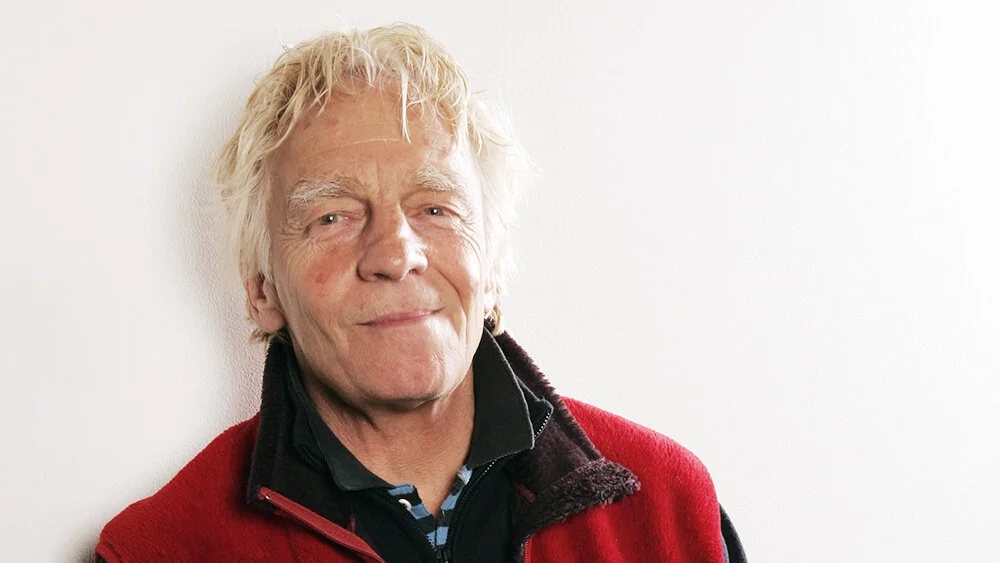
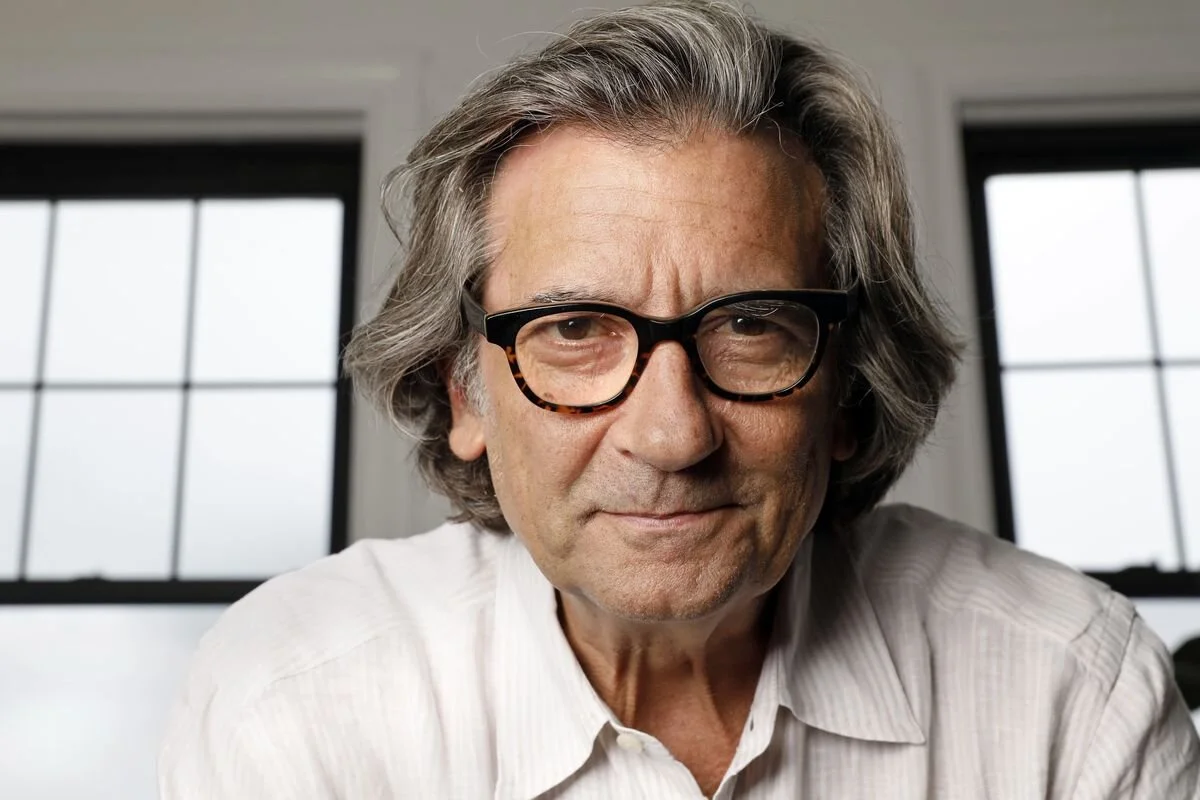
L.M. Kit Carson on “David Holzman’s Diary"

August 13, 2025

How did you first connect with Jim McBride?

KIT: Jim and I met because we were both fans of a book by Walker Percy, called The Moviegoer. I was a student at the time, and he was sort of a student at the time in New York. We were put together by some friends of ours, because they knew that we both loved this book. In fact, we tried to make the movie of this book three or four times.

And then Jim and I put together a deal to do a book for the Museum of Modern Art. Willard Van Dyke, who was the head of the film department at the time, gave us his blessing to do a book on Cinema Verité. I had discovered in my senior year at NYU, trying to do a paper on Cinema Verité, that there was nothing, there were maybe two articles in some film quarterly magazine, about Cinema Verité. So I told this to Jim and we went and met with Willard and said 'There needs to be a book on Cinema Verité.' And he said, 'Great. Do it.' He took one look at us and thought we were nuts, but nuts in the right way.

I had worked at Drew Associates previous to this, as an assistant, assistant editor. Drew Associates was where Cinema Verité was founded in this country. So I knew about all these guys: the Maysles brothers worked there, Pennebaker and Leacock worked there at the time. And it was just an accident of fate that I had stumbled into this hot spot. 

We set about doing this book for the Museum of Modern Art, called The Truth on Film, and we did interviews with Pennebaker and Leacock and all the people at Drew Associates, and halfway through the book, Jim said to me, 'There is no truth on film. Once you put the camera there, everything changes.'

I've been fortunate in my life to work in party with geniuses, like Wim Wenders and Jim McBride.
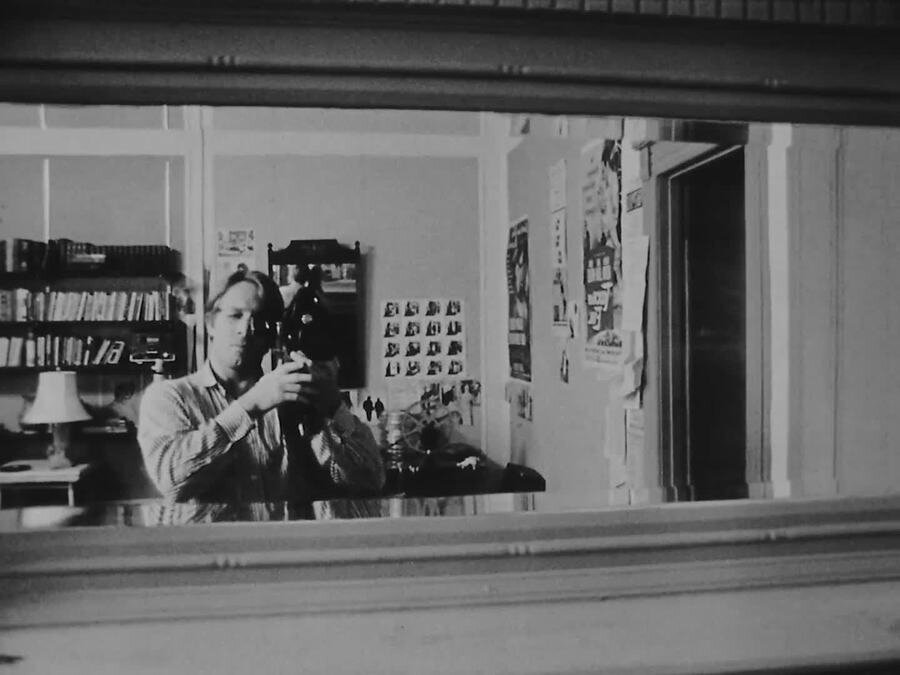
How did David Holzman’s Diary come about?

KIT: Jim had conceived of this idea to do a film called David Holzman's Diary, which was, at the time he introduced it to me, a 12-page outline on David Holtzman, this guys who starts the movie by saying 'My life is all fucked up and I'm about to be drafted and I figure it's time for me to try to figure what's going on. And if I shoot everyday and look at the rushes of everyday, I can find the plot again, because I've lost the plot.

Now Jim had actually shot this film before, with Bob Lesser as David. Jim's car had been broken into and his camera equipment had been stolen and the film had been stolen. So all of a sudden, two events happen: Jim says there's no Cinema Verité and then Jim says come have dinner, I want you to audition for me, to play David Holzman, because I've shot the film and now I've lost it.

I did that, I auditioned, because he had this outline that you could improvise from. And he said, 'You're it. You can do it."

The interesting thing is that at the time I was also studying the roots of the English novel. And the roots of the English novel are these fake diaries, like Robinson Crusoe and Pamela. It was the first way they figured out to do long-form fiction, was to make diaries out of it. So that also informed what we were attempting to do, because a diary is something that feels like it's real time, but you know, if you think about it for two seconds, 'Oh, yeah, he's edited this together.' So it's not really happening in front of you. It's been examined and purposed, structurally, to be this way.
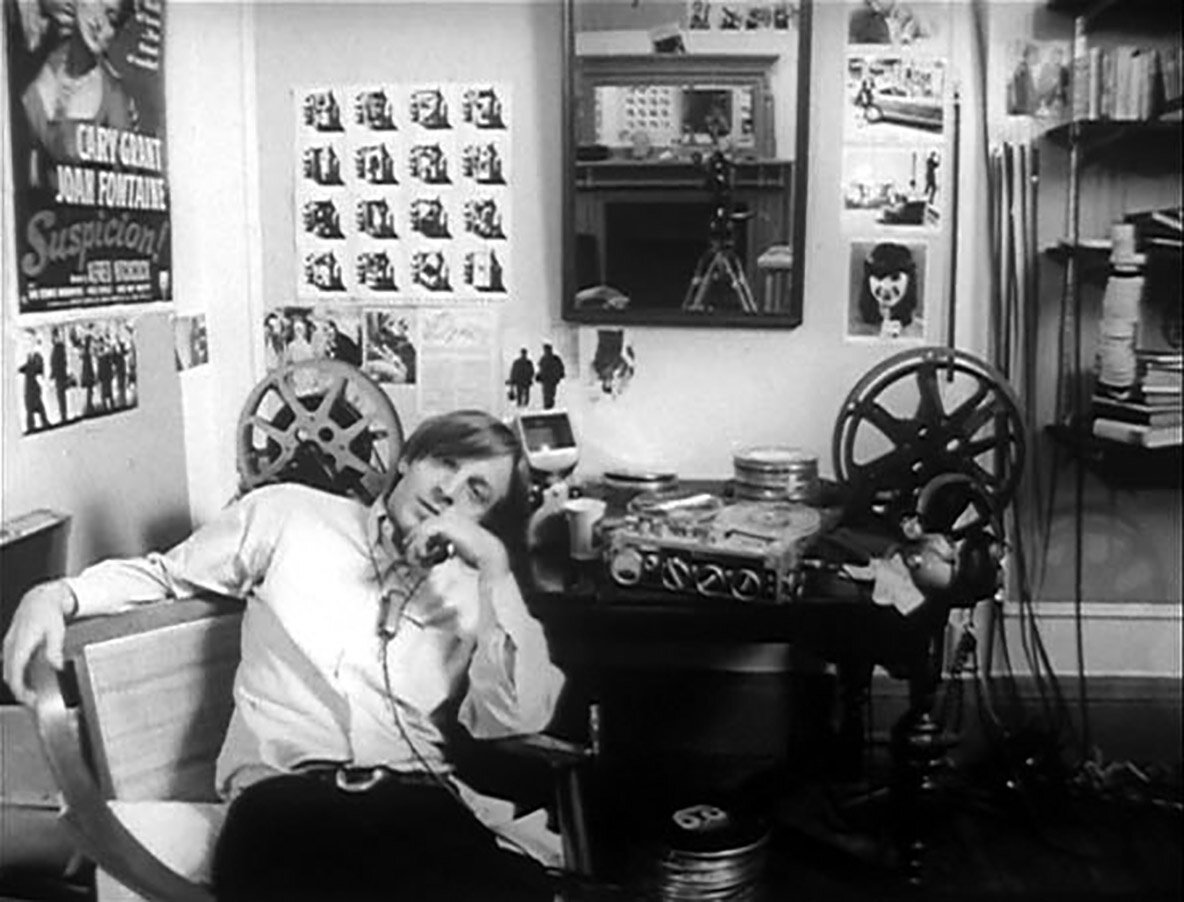
What was the shoot like?

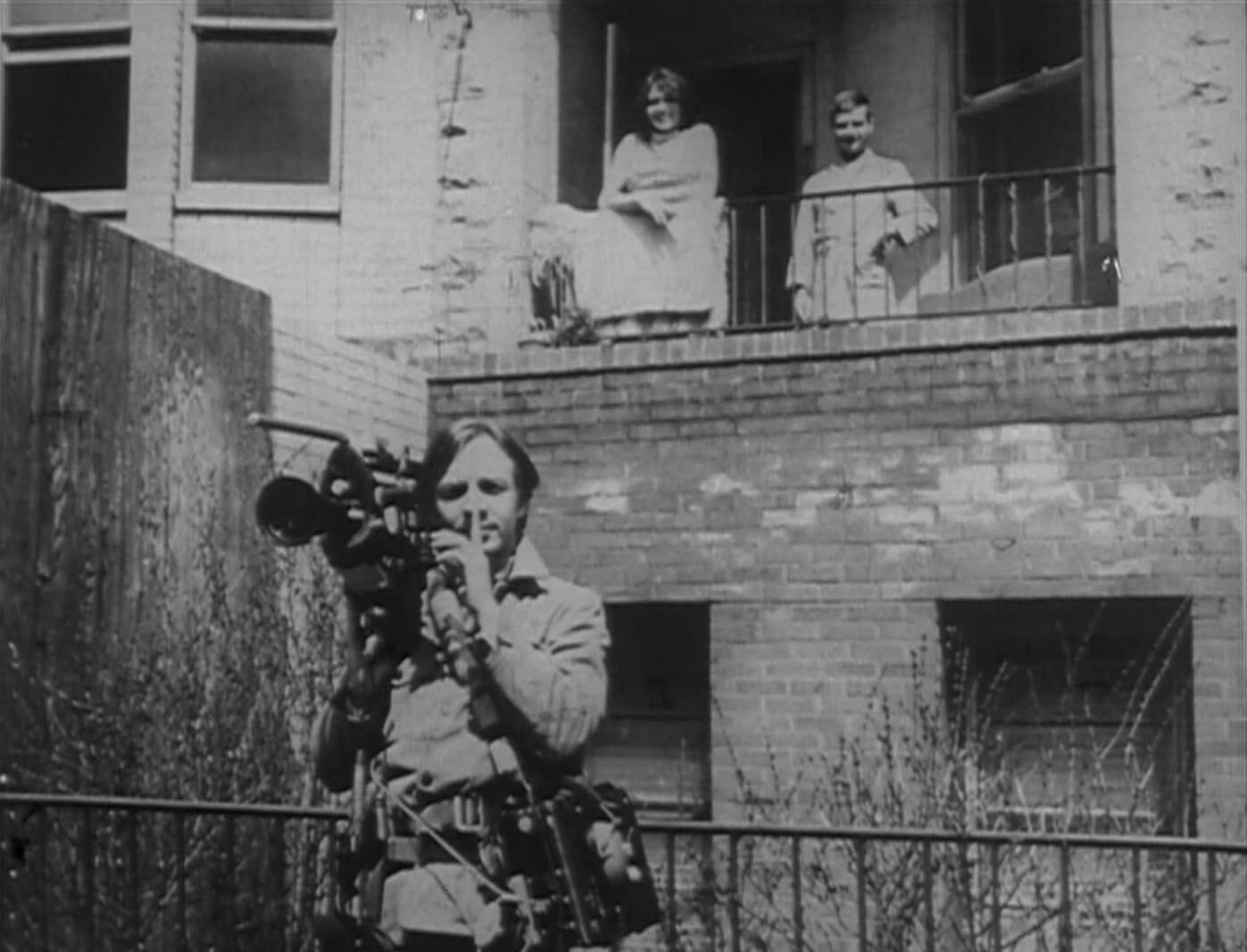
KIT: On my Easter break from college in Texas, I came to New York. And since I didn't know how to do it any other way, I just became the character. I lived in the editing room, I slept in the closet, and I lost my girlfriend who at the time thought I was nuts -- just like Penny in the movie thinks I'm nuts. So it worked.

It was a set of genius decisions on McBride's part. We improvised as we went forward.

We did several days of improvising through the scenes, between McBride and myself, until he felt that we got the shape of the scene. And then when we would shoot, I told Jim that I was not going to rehearse. 'Just turn the camera on and I'm going to do it.' Because I didn't want to filter the improvisation any further. If I had rehearsed it before we turned the camera on, it would have turned it into self-conscious thought. And I wanted to keep it raw.

We were satisfied that we had the shape of the scene, built off of the 12-page outline. We knew the beginning, middle and end. But I said to Jim, 'I want to surprise you.' I had no idea what I was saying when I said that, but the idea was to keep that instant alive, the instant when anything can happen.

I like the idea of not filtering the moment, not knowing how I'm going to do.

So we shot maybe two or three takes each time. 

I came back from Texas and Jim had put the film together, sort of, and he had Thelma Schoonmaker come in and take a look, because Thelma was everybody's pal at that time. What Jim had done was take the worst takes of the two or three that we had made, because he felt that was more truthful to the character. And Thelma said, 'Fine, that may be more true, but it's horrible, so you have to use the best takes. Otherwise it's really painful if you don't use the best takes.'  

I understand his thought, that the bad takes make it seem more like a documentary. But Thelma talked him into using the best takes. 
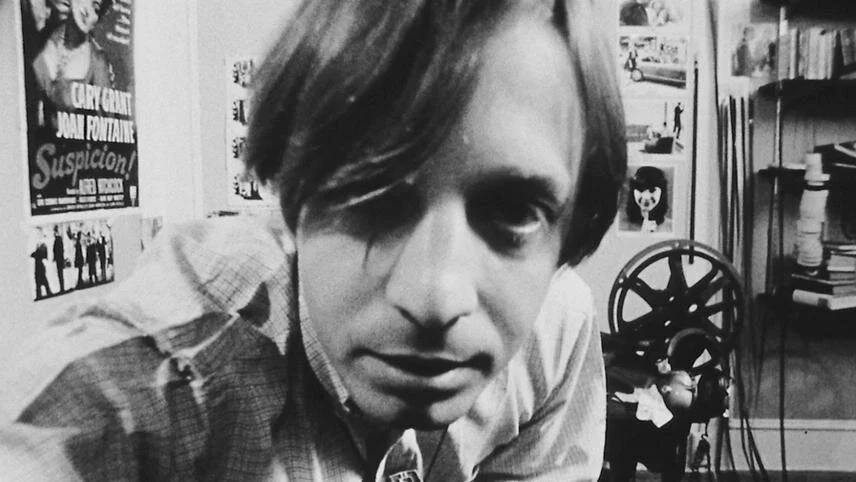
What was the film’s budget?

KIT: The budget for the film was the advance, the $2,500 bucks that Willard Van Dyke had given us from the Museum of Modern Art, to do the book The Truth on Film. Willard was a little upset, until the film began to get all this notice at film festivals. At that point Willard acknowledged that the film worked and proposed that the Museum of Modern Art was now going to add it to its collection. So, he didn't get a book, but he got a movie.
What lessons did you take away from the experience?

KIT: The lesson I took away is that there is a lot of depth of thought required; you can't just do it off the top of your head. Jim had this brilliant idea. It came out of six months of experience interviewing a dozen documentary filmmaker to conclude that, 'No, wait a minute, this is not true. Therefore, let's expose it.' That was all Jim's energy. But it came from spending all that time thinking about it.

And from my angle, it came from studying the roots of the English novels, studying what documentary IS, so that you say, 'Oh, I know. It's an act of fiction.' It looks real, and you propose it stylistically as 'this happened, just now,' but it's actually been edited and pieced together.

What you try to achieve when you create any fiction is truth, a fictional truth that has the right ending.

With the movies I've made since that time, I've always tried to stay in touch with the job of telling the truth in your own way in this particular story. 

This movie was not an accident and it didn't happen easily. The fact that Jim had the film stolen out of the trunk of his car and that it was a bad version of this film, all that's part of the actual doingness.

I learned the truth of exposure in David Holzman’s Diary. And I've kept that as part of my story-telling muscle.

It was also shaped by what McBride did, by having Pepe, our friend have that scene where he said, 'Stop, turn off the camera, it's no longer a moral decision, it's an aesthetic decision.' 

He invented that scene with Pepe, and it was Pepe's true reaction to the footage that he'd seen. This is fake, it's not real.
Dying to make a feature? Learn from the pros!

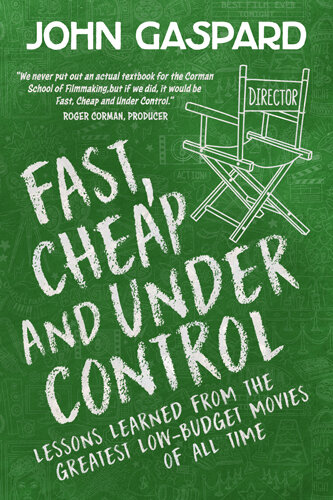
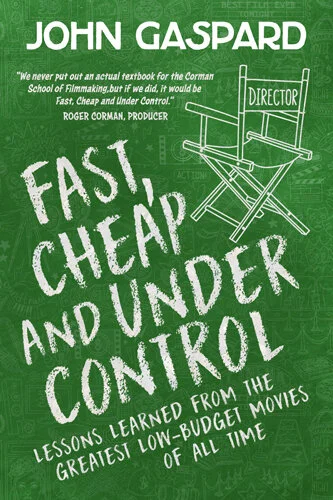
"We never put out an actual textbook for the Corman School of Filmmaking, but if we did, it would be Fast, Cheap and Under Control." 
Roger Corman, Producer

★★★★★

It’s like taking a Master Class in moviemaking…all in one book!

  • Jonathan Demme: The value of cameos

  • John Sayles: Writing to your resources

  • Peter Bogdanovich: Long, continuous takes

  • John Cassavetes: Re-Shoots

  • Steven Soderbergh: Rehearsals

  • George Romero: Casting

  • Kevin Smith: Skipping film school

  • Jon Favreau: Creating an emotional connection

  • Richard Linklater: Poverty breeds creativity

  • David Lynch: Kill your darlings

  • Ron Howard: Pre-production planning

  • John Carpenter: Going low-tech

  • Robert Rodriguez: Sound thinking

And more!
buy the book: "fast, cheap and under control"

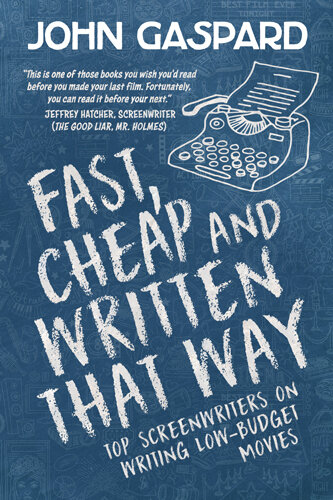
Write Your Screenplay with the Help of Top Screenwriters!

It’s like taking a Master Class in screenwriting … all in one book!

Discover the pitfalls of writing to fit a budget from screenwriters who have successfully navigated these waters already. Learn from their mistakes and improve your script with their expert advice.

"I wish I'd read this book before I made Re-Animator."
Stuart Gordon, Director, Re-Animator, Castle Freak, From Beyond

John Gaspard has directed half a dozen low-budget features, as well as written for TV, movies, novels and the stage.

The book covers (among other topics):

  • Academy-Award Winner Dan Futterman (“Capote”) on writing real stories

  • Tom DiCillio (“Living In Oblivion”) on turning a short into a feature

  • Kasi Lemmons (“Eve’s Bayou”) on writing for a different time period

  • George Romero (“Martin”) on writing horror on a budget

  • Rebecca Miller (“Personal Velocity”) on adapting short stories

  • Stuart Gordon (“Re-Animator”) on adaptations

  • Academy-Award Nominee Whit Stillman (“Metropolitan”) on cheap ways to make it look expensive

  • Miranda July (“Me and You and Everyone We Know”) on making your writing spontaneous

  • Alex Cox (“Repo Man”) on scaling the script to meet a budget

  • Joan Micklin Silver (“Hester Street”) on writing history on a budget

  • Bob Clark (“Children Shouldn’t Play with Dead Things”) on mixing humor and horror

  • Amy Holden Jones (“Love Letters”) on writing romance on a budget

  • Henry Jaglom (“Venice/Venice”) on mixing improvisation with scripting

  • L.M. Kit Carson (“Paris, Texas”) on re-writing while shooting

  • Academy-Award Winner Kenneth Lonergan (“You Can Count on Me”) on script editing

  • Roger Nygard (“Suckers”) on mixing genres

This is the book for anyone who’s serious about writing a screenplay that can get produced! 
Buy the Book: “Fast, Cheap and Written That Way”
Tags L.M. Kit Carson, David Holzman's Diary, Jim McBride, Independent Film, Film Interview, Low-Budget Film

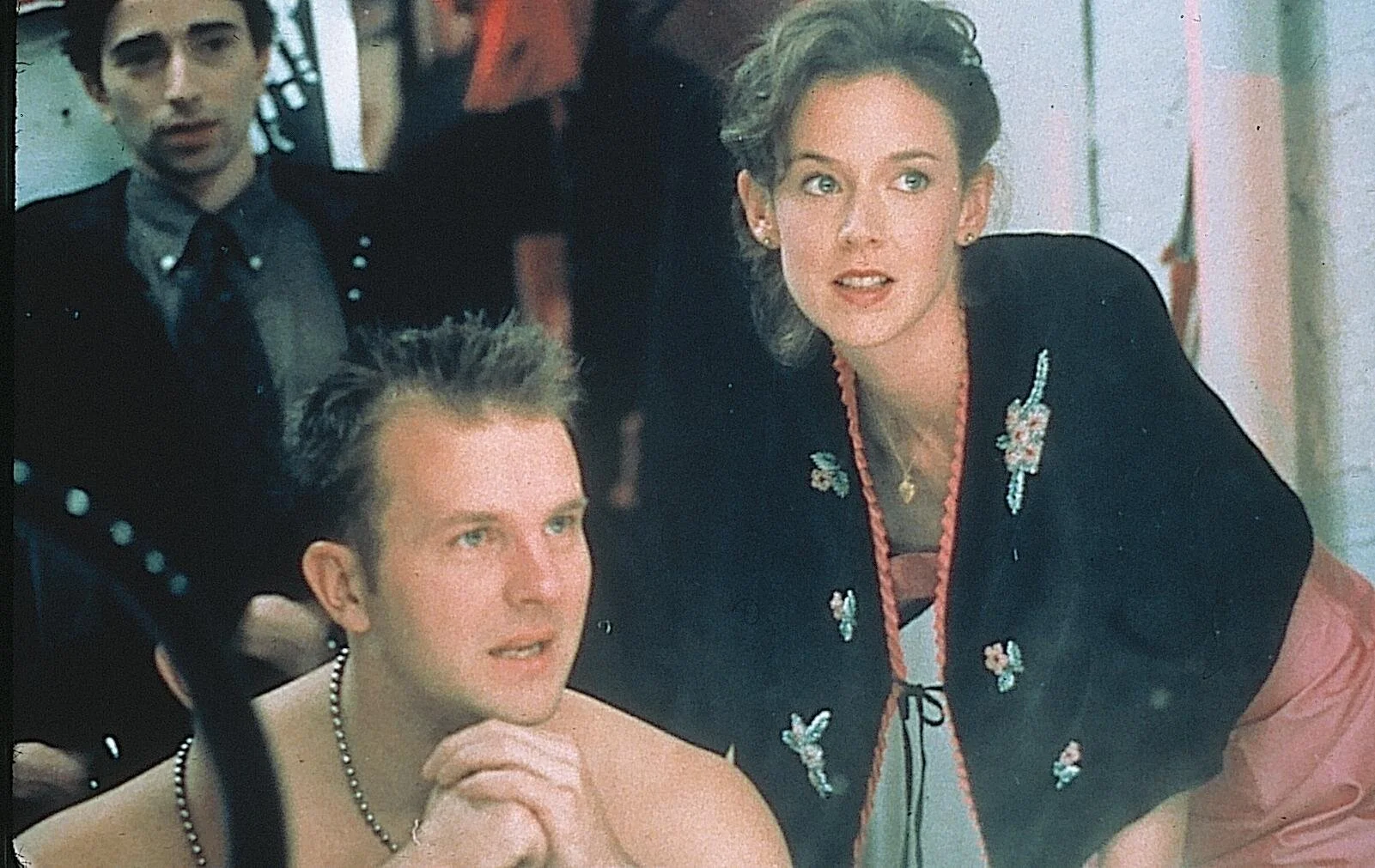
Griffin Dunne on directing “Lisa Picard is Famous”

July 2, 2025

How long was your shoot schedule for Lisa Picard is Famous?

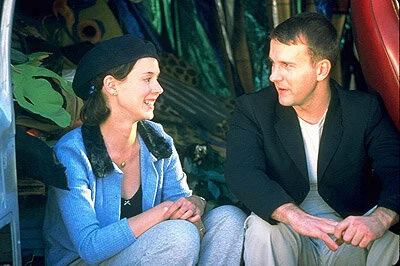
GRIFFIN: Officially, I had about 20 days. The idea was always to shoot it with an actual documentary crew, thinking that that would be enough to carry me through. But feature films, even with the most independent and lowest of budgets, they can't help themselves from over-complicating things. If it's a movie, no matter how much it costs, it's still is a pack, it's a roving army--whether it's a platoon or a huge regiment—and you don't travel lightly.

I found that after the 20 days I could call up the DP and the actors, whoever I needed, and say 'Meet me on the corner, I need to grab something.' 

Why did you decide to do the story as a fake documentary?

GRIFFIN: I love documentaries and I've always wanted to make a documentary. The actors who wrote the story, it was very much from their lives. So, I thought that by putting myself in the movie, I could take it out of a written script format. If I didn't know what I was going to say, the actors didn't know what I was going to say. So, it would automatically give it a heightened reality. And you get that look in the subject's eyes, a kind of darting around, wondering what the interviewer is going to say, this certain unease.

With movies I'd done before, everything was about preparation, so that there would be absolutely no mistakes, because mistakes would cost so much time and so much money. So, you plan everything, if you're really doing your job right, so you're not going to be felled by weather or any of the billions of things that can go wrong. You try to plug every hole before anything sets in. 

With this movie, I approached it, before I started shooting, that it was about the lack of preparation, being open to accidents and disasters. It was so small that I thought this would be the fun thing to explore. So, if she's running to catch the train and she accidentally catches the train and I don't want her to catch the train, then we shoot her catching the train. If she doesn't catch the train, then we shoot that.

I found that when I was in the editing room, just like a documentary, they don't know how it's going to turn out. And neither did I. For example, with my character I had no idea when I started that I would be narrating the picture and playing such a role and taking their story of two desperate actors and making it all about me. I was very happy with that; it was a very organic shift and very accurate. We see many journalists make themselves more important than the story.

If there was a lot more money at stake and if there was a more oppressive financier, I might not have had the freedom to find the movie, let it reveal itself to me.

I recently interviewed LM Kit Carson about David Holzman’s Diary, arguably the first pseudo-documentary. Was that in your mind at all during the project?

GRIFFIN: I met Kit when I was about 13, through my aunt and uncle in Hollywood in the sixties. He was a very dashing and charismatic and a hippie for lack of a better word. I had never seen David Holtzman's Diary, but I'd heard the legend of David Holtzman's Diary.

About a month before shooting I ran into him and he said, 'What are you doing?" and I said, 'I'm doing this movie and it's about …' and I described the story and the desperation of it and I said how much fun it was to make a documentary. And he said, 'You should see David Holtzman's Diary. You should have me in it, talking about David Holtzman's Diary.' I looked at him and said, 'That's exactly what I should do.' 

So I told him to sit in a coffee shop and someone would get in touch with him. And then I approached him with a camera crew. And he was just totally prepared. 

What were the disadvantages of being an early-adopter of the digital format?

GRIFFIN: The disadvantages were that they weren't used to storing this much material. I also shot a lot of footage, I mean, a lot. Many many many hours, because I thought, 'well, hell, it's just tape, let's take advantage of the digital revolution here.' But, as with everything, there are pluses and minuses, because you have to download it and put it in a machine that can hold all this stuff.  

So, because of all the footage I shot, it really was baptism by extreme fire. 

Consequently, it crashed a lot. And it always seemed to crash right at a fix you were trying to make to see if it would work. It was very difficult, and we lost a few days. But it was a perfect trade, it was worth it in this case.  

The other way of saying it is, nothing is free.

How did you get permission to use Wheat Chex in the film?

GRIFFIN: How did we get clearance? I have no idea. It just blows my mind. I will always eat Wheat Chex. I couldn't believe it. I kept saying to our producer, 'Are you sure they know about this?' They thought it was funny. Who would have thought the people at Wheat Chex would be so dry. 

Were you ever worried about how small the budget was?

GRIFFIN: I wasn't daunted by how little money I had; I decided to make that part of the style. However, I didn't have that First Feature pressure where I felt I had a lot riding on it. For me, it was always an experiment and to have a lot of fun and rope in friends and call in favors and go to work in the morning and see how the day turns out. I'd been under so much more pressure before that this was just much more enjoyable to me.

Also, because it was a smaller budget movie, I insisted and got without any problem, final cut. Which was something I'd never had, true final cut. So I had the luxury of being able to listen to people's notes, with an open mind and learning from them, taking in what I needed without having to also have a political agenda on top of it and deal with other people's politics.

A director's job is to be the most prepared, and this was an exercise in leaving a real part of your creative process to being unprepared and open to accidents. And I was able to keep those 'let's see what happens' balls in the air for most of the picture.

When I first read what Nat and Laura wrote, it was just about 'I hope I get the job.' 

I really wanted to put much more of a social spin on it, about how fucked up people get about fame. I thought that putting interviews in there--which we've all seen done quite effectively in Reds and When Harry Met Sally…--I just thought it needed a bigger perspective beyond their small world. And it would be great to have interviews with people who had dealt with fame in a very direct way, who really had been and had lost or were at the various points that these two kind of desperate characters were trying to be.

I do adore actors and I empathize with them greatly. I'm also very grateful that I don't have to just be an actor. In fact, I never could just be an actor. Even when I moved to New York I was lucky enough to also be able to produce movies. 

A lot of my great friends are actors and I always wish the best for an actor when he comes in to read for me as a director. I really want them to do well and I want them to not feel like a piece of crap like I have felt so many when I was trying to get a job. 

Every time you go in there, you have so much on the line, and actors go through that intense feeling--if they have a good agent and they go out and audition--they have that feeling three times a day. 

Dying to make a feature? Learn from the pros!

"We never put out an actual textbook for the Corman School of Filmmaking, but if we did, it would be Fast, Cheap and Under Control." 
Roger Corman, Producer

★★★★★

It’s like taking a Master Class in moviemaking…all in one book!

  • Jonathan Demme: The value of cameos

  • John Sayles: Writing to your resources

  • Peter Bogdanovich: Long, continuous takes

  • John Cassavetes: Re-Shoots

  • Steven Soderbergh: Rehearsals

  • George Romero: Casting

  • Kevin Smith: Skipping film school

  • Jon Favreau: Creating an emotional connection

  • Richard Linklater: Poverty breeds creativity

  • David Lynch: Kill your darlings

  • Ron Howard: Pre-production planning

  • John Carpenter: Going low-tech

  • Robert Rodriguez: Sound thinking

And more!

Buy the Book: “Fast, Cheap and Under Control”

Write Your Screenplay with the Help of Top Screenwriters!

It’s like taking a Master Class in screenwriting … all in one book!

Discover the pitfalls of writing to fit a budget from screenwriters who have successfully navigated these waters already. Learn from their mistakes and improve your script with their expert advice.

"I wish I'd read this book before I made Re-Animator."
Stuart Gordon, Director, Re-Animator, Castle Freak, From Beyond

John Gaspard has directed half a dozen low-budget features, as well as written for TV, movies, novels and the stage.

The book covers (among other topics):

  • Academy-Award Winner Dan Futterman (“Capote”) on writing real stories

  • Tom DiCillio (“Living In Oblivion”) on turning a short into a feature

  • Kasi Lemmons (“Eve’s Bayou”) on writing for a different time period

  • George Romero (“Martin”) on writing horror on a budget

  • Rebecca Miller (“Personal Velocity”) on adapting short stories

  • Stuart Gordon (“Re-Animator”) on adaptations

  • Academy-Award Nominee Whit Stillman (“Metropolitan”) on cheap ways to make it look expensive

  • Miranda July (“Me and You and Everyone We Know”) on making your writing spontaneous

  • Alex Cox (“Repo Man”) on scaling the script to meet a budget

  • Joan Micklin Silver (“Hester Street”) on writing history on a budget

  • Bob Clark (“Children Shouldn’t Play with Dead Things”) on mixing humor and horror

  • Amy Holden Jones (“Love Letters”) on writing romance on a budget

  • Henry Jaglom (“Venice/Venice”) on mixing improvisation with scripting

  • L.M. Kit Carson (“Paris, Texas”) on re-writing while shooting

  • Academy-Award Winner Kenneth Lonergan (“You Can Count on Me”) on script editing

  • Roger Nygard (“Suckers”) on mixing genres

This is the book for anyone who’s serious about writing a screenplay that can get produced! 
Buy the Book: “Fast, Cheap and Written That Way”
Tags Griffin Dunne, Low-Budget Film, David Holzman's Diary
Comment

Latest Posts

Featured
Jan 28, 2026
Ken Levine - Television writer and director
Jan 28, 2026
Jan 28, 2026
Jan 21, 2026
Jim Meskimen — Character and Voice Actor
Jan 21, 2026
Jan 21, 2026
Jan 14, 2026
The Last Broadcast – Lance Weiler and Stefan Avalos
Jan 14, 2026
Jan 14, 2026
Jan 7, 2026
Chris Kentis on "Open Water
Jan 7, 2026
Jan 7, 2026
Dec 31, 2025
William Greaves on “Symbiopsychotaxiplasm: Take
Dec 31, 2025
Dec 31, 2025
Dec 24, 2025
"Grand Theft Auto" — Roger Corman, Rance Howard and Nancy Morgan on the making of this low-budget classi]
Dec 24, 2025
Dec 24, 2025
Dec 17, 2025
Gary Winick on "Tadpole"
Dec 17, 2025
Dec 17, 2025
Dec 10, 2025
George Romero on his vampire classic, "Martin"
Dec 10, 2025
Dec 10, 2025
Dec 3, 2025
Director Stuart Gordon on "Re-Animator"
Dec 3, 2025
Dec 3, 2025
Nov 26, 2025
Magician and Filmmaker Lance Burton on his low-budget feature debut, “Billy Topit: Master Magician.”
Nov 26, 2025
Nov 26, 2025
Featured
ken_levine.jpeg
Jan 28, 2026
Ken Levine - Television writer and director
Jan 28, 2026
Jan 28, 2026
ofGzBEws_400x400 copy.jpeg
Jan 21, 2026
Jim Meskimen — Character and Voice Actor
Jan 21, 2026
Jan 21, 2026
_victims.jpg
Jan 14, 2026
The Last Broadcast – Lance Weiler and Stefan Avalos
Jan 14, 2026
Jan 14, 2026
Chris Kentis 01.jpg
Jan 7, 2026
Chris Kentis on "Open Water
Jan 7, 2026
Jan 7, 2026
thenewyorker_movie-of-the-week-symbiopsychotaxiplasm-take-one.jpg
Dec 31, 2025
William Greaves on “Symbiopsychotaxiplasm: Take
Dec 31, 2025
Dec 31, 2025
220px-Grand_theft_auto_poster.jpg
Dec 24, 2025
"Grand Theft Auto" — Roger Corman, Rance Howard and Nancy Morgan on the making of this low-budget classi]
Dec 24, 2025
Dec 24, 2025
Gary Winick.jpg
Dec 17, 2025
Gary Winick on "Tadpole"
Dec 17, 2025
Dec 17, 2025
george_a._romero.jpg
Dec 10, 2025
George Romero on his vampire classic, "Martin"
Dec 10, 2025
Dec 10, 2025
stuart-gordon-main.jpg
Dec 3, 2025
Director Stuart Gordon on "Re-Animator"
Dec 3, 2025
Dec 3, 2025
lance-2-scaled.jpeg
Nov 26, 2025
Magician and Filmmaker Lance Burton on his low-budget feature debut, “Billy Topit: Master Magician.”
Nov 26, 2025
Nov 26, 2025

Powered by Squarespace