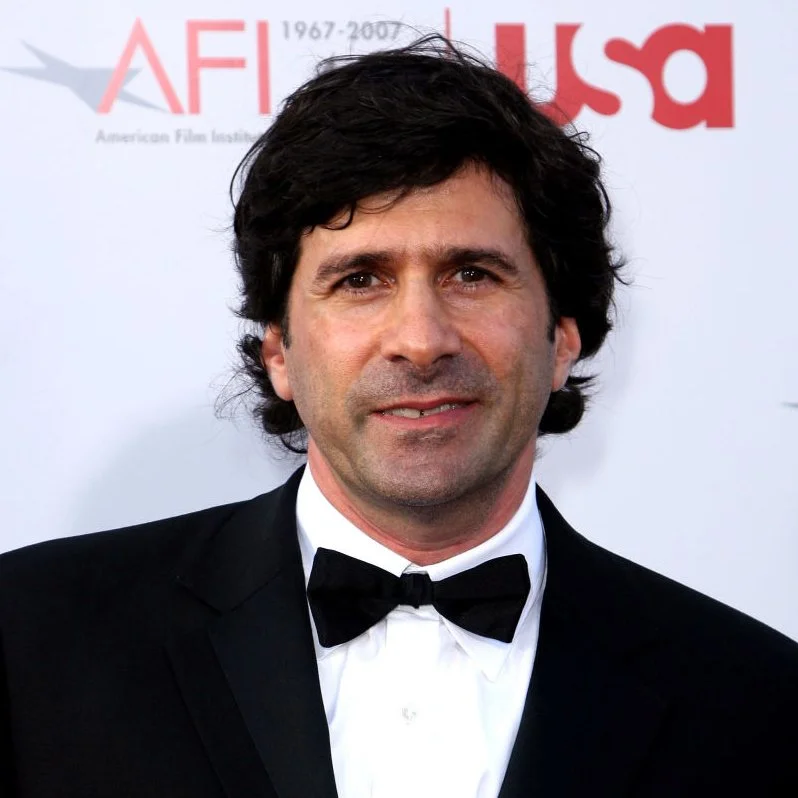
Why did you decide to shoot digital?
WINICK: There's the economics of it, which is obviously a big deal. There's the time factor, which is actually a bigger deal, and there's the fact that now actors and distributors will take low-end digital filmmaking seriously. It's not discriminated against at all, in terms of getting actors or in terms of distributors wanting your film.
How open was the cast to working this way?
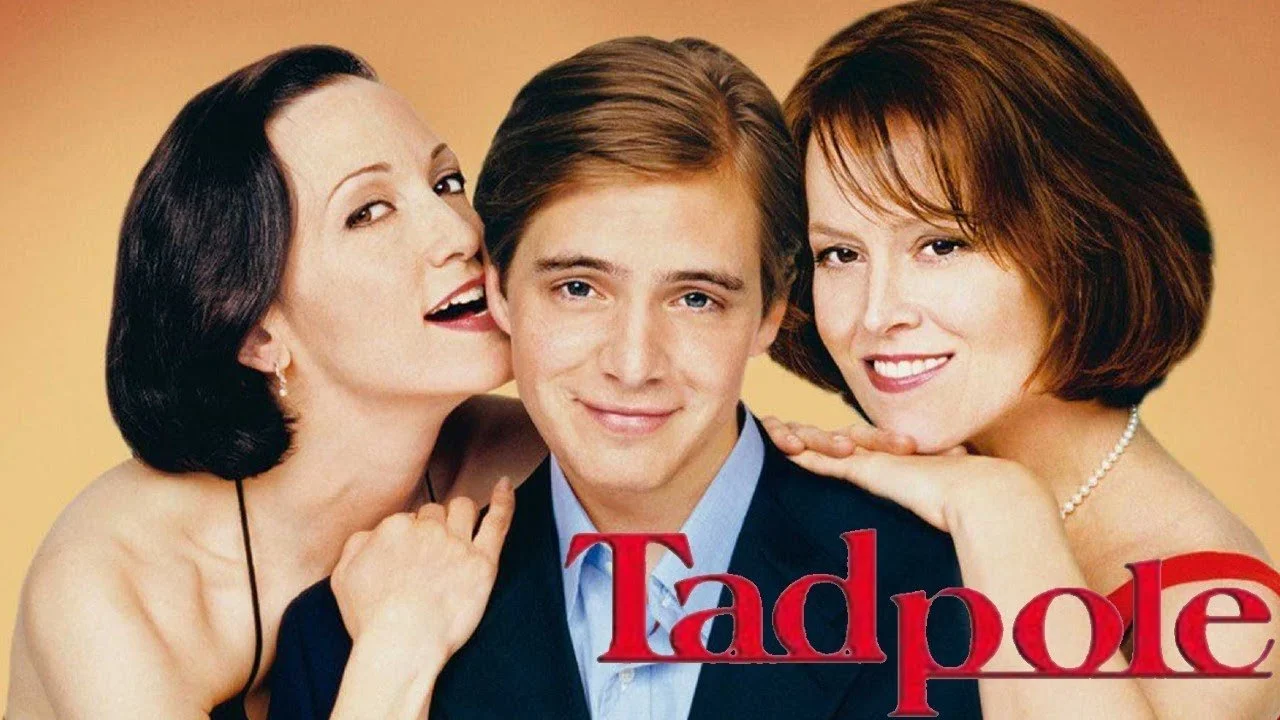
WINICK: Not only were they open to digital, they were actually curious and looking forward to it, because digital is a performance-oriented medium. Sigourney said, 'I hear it's like a hybrid between theater and film and I want to try it.'
Did you write to the budget?
WINICK: It was written for a shooting budget of $150,000, knowing I was going to shoot it in digital, and knowing that I was going to shoot it in New York. So, the way I approached the story was, what are you passionate about, what do you want to say?
Then you think about, how many actors, how many locations? If you do a single-point of view movie (which are the kind of movies I like to do), then you can have two or three big locations where you have a lot of page count, but then you follow your character--which can just be you and the actor around, getting him from one location to the next, and all of a sudden your movie appears bigger than it is.
Another thing is you want to do it where you have as few continuity days as possible. The less costume changes the better. So, the idea of the Thanksgiving holiday gave us four days.
What was your scripting process?
WINICK: We came up with the characters first, and then thought of what sort of situation that we could put them in that would support a low-budget, 12-day shoot.
If you have nothing to say, don't say it, but if you have something to say, say it with passion, because that will move audiences.
I've had a film that took five years to get made, and if you weren't passionate about the story, I could never stick with it for five years. I can't be passionate about, "Oh, great, this all takes place at night and the actor doesn't have to change his costume." That's not going to keep me going for five years. So it all comes back to story.
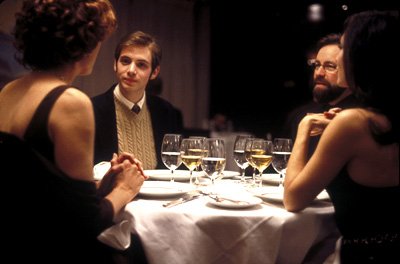
Tell me about your process for shooting the dinner scene in the restaurant.
WINICK: I knew the blocking, because that's the thing about table scenes: you know the blocking. And I watched all these great table scenes, that weren't subject-appropriate, but just table scenes. From Rosemary's Baby to Apocalypse Now to Father of the Bride, just to see how the great filmmakers did it and to see if anything applied to what I was doing, story-wise.
Then I sat four interns down at a table and gave them the script, and I worked out all the angles. And because it was a 13-page scene, I knew that I had to come up with inventive ways to vary the scene and get from transition to transition. It took a day and half to shoot. We owned the restaurant and the extras are (of course) all crew and friends, mostly crew. We shot with two cameras, sometimes three.
How did you accomplish the 360 transition shots?
WINICK: I went to a Toys R Us and bought a Sit-And-Spin. I used Susan, my editor, who weighs a lot less than me. And I went into the restaurant while it was full and said, 'Can we just sit in the restaurant for five minutes?' And I had Susan sit in the Sit-And-Spin and I spun her around. I actually took the concept from Citizen Kane.
Where did the idea come from to use text screen with Voltaire quotes?
WINICK: The Voltaire quotes idea came in post. I had a really, really, really unfortunate experience with my cinematographer on this movie. The camera wasn't on sometimes, so I'd get back to the edit room and the script supervisor had these shots that said that I shot, but yet they were never recorded. I had focus problems, camera operating problems. When I got in the editing room and found out that my DP/Operator did such a poor job, I was left with some really hard, clunky ways to get from scene to scene. And that's when I came up with the Voltaire quotes. So, it came out of necessity.
How did you find the quotes?
WINICK: I went to Barnes & Noble, because I'm not an Internet guy, and went through some Voltaire quotes, and I was like, 'Oh my god, this is going to work great.'
What’s the secret to making a successful low budget movie?
WINICK: When you're making a low budget film, you really only have one focus, and that focus is story. Because costumes and lighting and design and all that stuff, you can never either afford it or have the time to do it right.
So, you really have to focus on the one thing that you know that the audience is (hopefully) going to respond to, which is the story and being engaged with those characters on screen.
I have 84 million dollars now for Charlotte's Web, and I have huge effects, and computer people, and Stan Winston and all this stuff … but it all comes back to story.
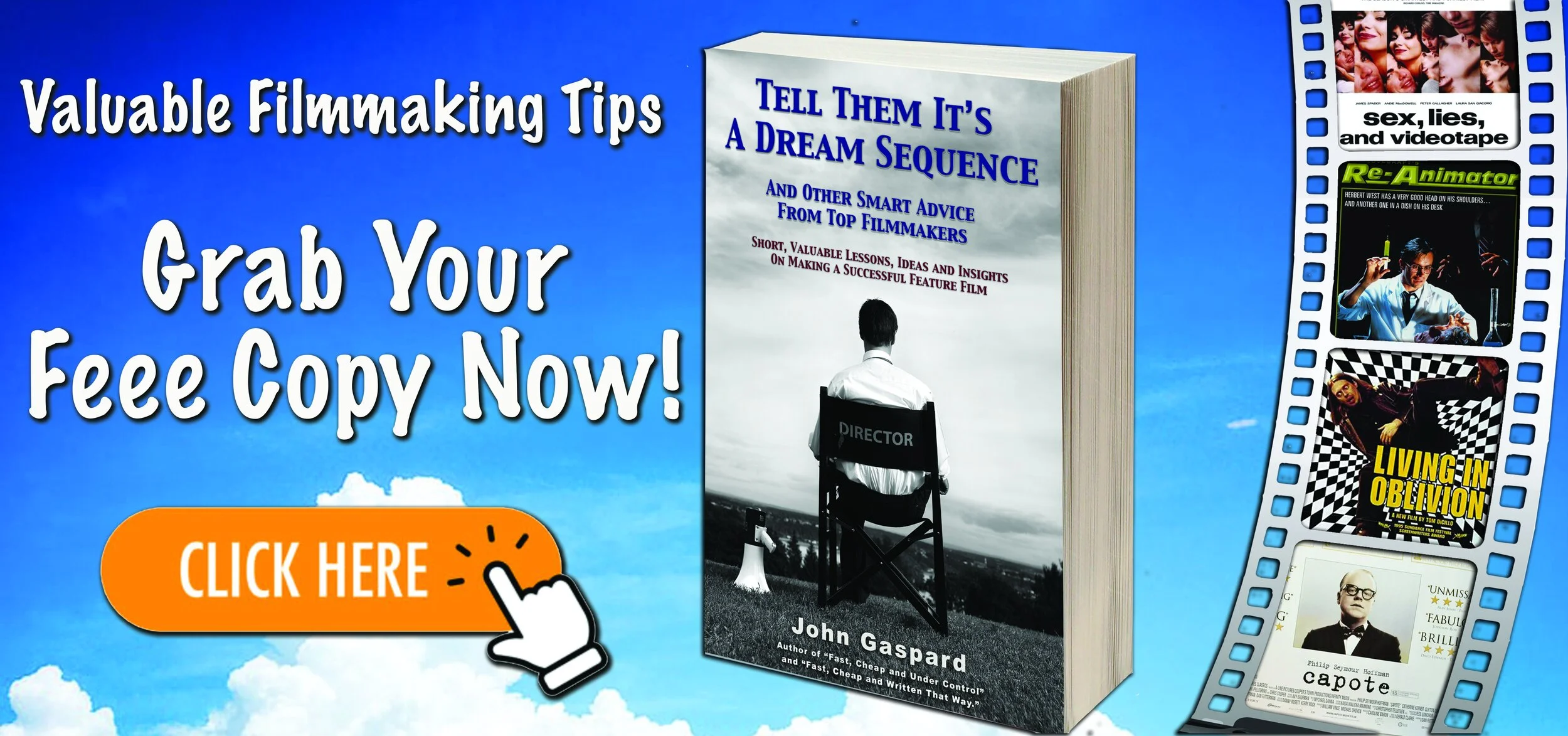
Dying to make a feature? Learn from the pros!
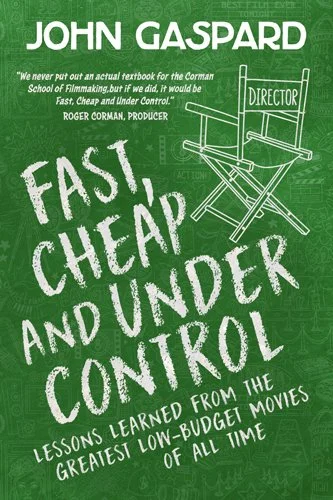
"We never put out an actual textbook for the Corman School of Filmmaking, but if we did, it would be Fast, Cheap and Under Control."
Roger Corman, Producer
★★★★★
It’s like taking a Master Class in moviemaking…all in one book!
Jonathan Demme: The value of cameos
John Sayles: Writing to your resources
Peter Bogdanovich: Long, continuous takes
John Cassavetes: Re-Shoots
Steven Soderbergh: Rehearsals
George Romero: Casting
Kevin Smith: Skipping film school
Jon Favreau: Creating an emotional connection
Richard Linklater: Poverty breeds creativity
David Lynch: Kill your darlings
Ron Howard: Pre-production planning
John Carpenter: Going low-tech
Robert Rodriguez: Sound thinking
And more!
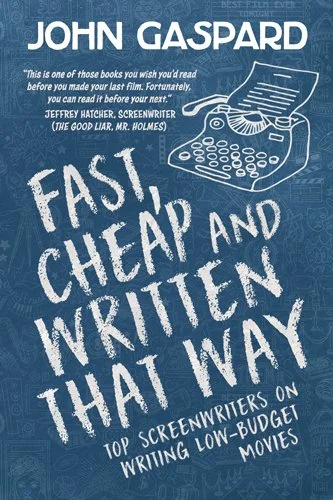
Write Your Screenplay with the Help of Top Screenwriters!
It’s like taking a Master Class in screenwriting … all in one book!
Discover the pitfalls of writing to fit a budget from screenwriters who have successfully navigated these waters already. Learn from their mistakes and improve your script with their expert advice.
"I wish I'd read this book before I made Re-Animator."
Stuart Gordon, Director, Re-Animator, Castle Freak, From Beyond
John Gaspard has directed half a dozen low-budget features, as well as written for TV, movies, novels and the stage.
The book covers (among other topics):
Academy-Award Winner Dan Futterman (“Capote”) on writing real stories
Tom DiCillio (“Living In Oblivion”) on turning a short into a feature
Kasi Lemmons (“Eve’s Bayou”) on writing for a different time period
George Romero (“Martin”) on writing horror on a budget
Rebecca Miller (“Personal Velocity”) on adapting short stories
Stuart Gordon (“Re-Animator”) on adaptations
Academy-Award Nominee Whit Stillman (“Metropolitan”) on cheap ways to make it look expensive
Miranda July (“Me and You and Everyone We Know”) on making your writing spontaneous
Alex Cox (“Repo Man”) on scaling the script to meet a budget
Joan Micklin Silver (“Hester Street”) on writing history on a budget
Bob Clark (“Children Shouldn’t Play with Dead Things”) on mixing humor and horror
Amy Holden Jones (“Love Letters”) on writing romance on a budget
Henry Jaglom (“Venice/Venice”) on mixing improvisation with scripting
L.M. Kit Carson (“Paris, Texas”) on re-writing while shooting
Academy-Award Winner Kenneth Lonergan (“You Can Count on Me”) on script editing
Roger Nygard (“Suckers”) on mixing genres
This is the book for anyone who’s serious about writing a screenplay that can get produced!