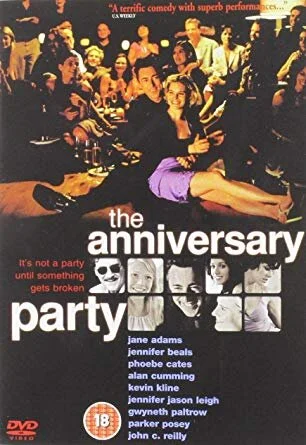
What was your inspiration to do this movie?
ALAN: Well, first of all, Jennifer and I wanted to work together. We were in Cabaret together on Broadway, but we didn't really do anything together in the show. But we just got on and wanted to do something. We knew we wanted to explore working together, so it came from that.
And we wanted to write something about how we felt about relationships at that point in our lives -- something that was very current for ourselves and something that was honest and open. And also we wanted to use elements of ourselves, or experiences, and put that into a story.
How did you divide up chores of writing and directing?
ALAN: We didn't, really. People understand the notion that you can write together. I think people have more trouble with the idea of directing together. But it wasn't divided up; it was quite smooth. We both would talk. I would do of the shouting and general announcements.
But there were certain actors where we said, “You talk to him,” or, “I'll talk to her.” We were very aware that we get better results with one of us talking to someone rather than the other.
It's not difficult to direct with someone else; it's actually really nice.
In a way the whole film, with its theme about openness, and it's very much an ensemble thing, and we were using everybody who were our friends and we were using elements of them in the story as well. And the crew, they were all doing it for, obviously, very little money.
It was very sort of democratic, with the crew and everyone. There were no trailers. We all ate together. If someone wasn't working, they'd just lie on the lawn. We tried to open out, ask people's opinion. It's easy to make people feel good about coming to work. You just have to make them feel involved and that you respect their opinion and it's not an autocracy. When you have that attitude, it makes it very easy to have two directors.
Were the actors nervous about doing a digital feature?
ALAN: No, I don't think so. If anything, they were nervous that they would look bad. We all rightly think of video as making you look hideous, shiny and awful. So that was why we got an incredible DP. We wanted to make sure that the film looked good, that was our main concern.
As exciting as it can be to shoot on video and have that eavesdropping feel, the films that we had seen prior to making ours were ghastly. The technology, the process of transferring from video to film was still in its infancy, and it wasn't looking good.
The scene where the guests give out their presents is a pretty interesting scene. How much of it was written?
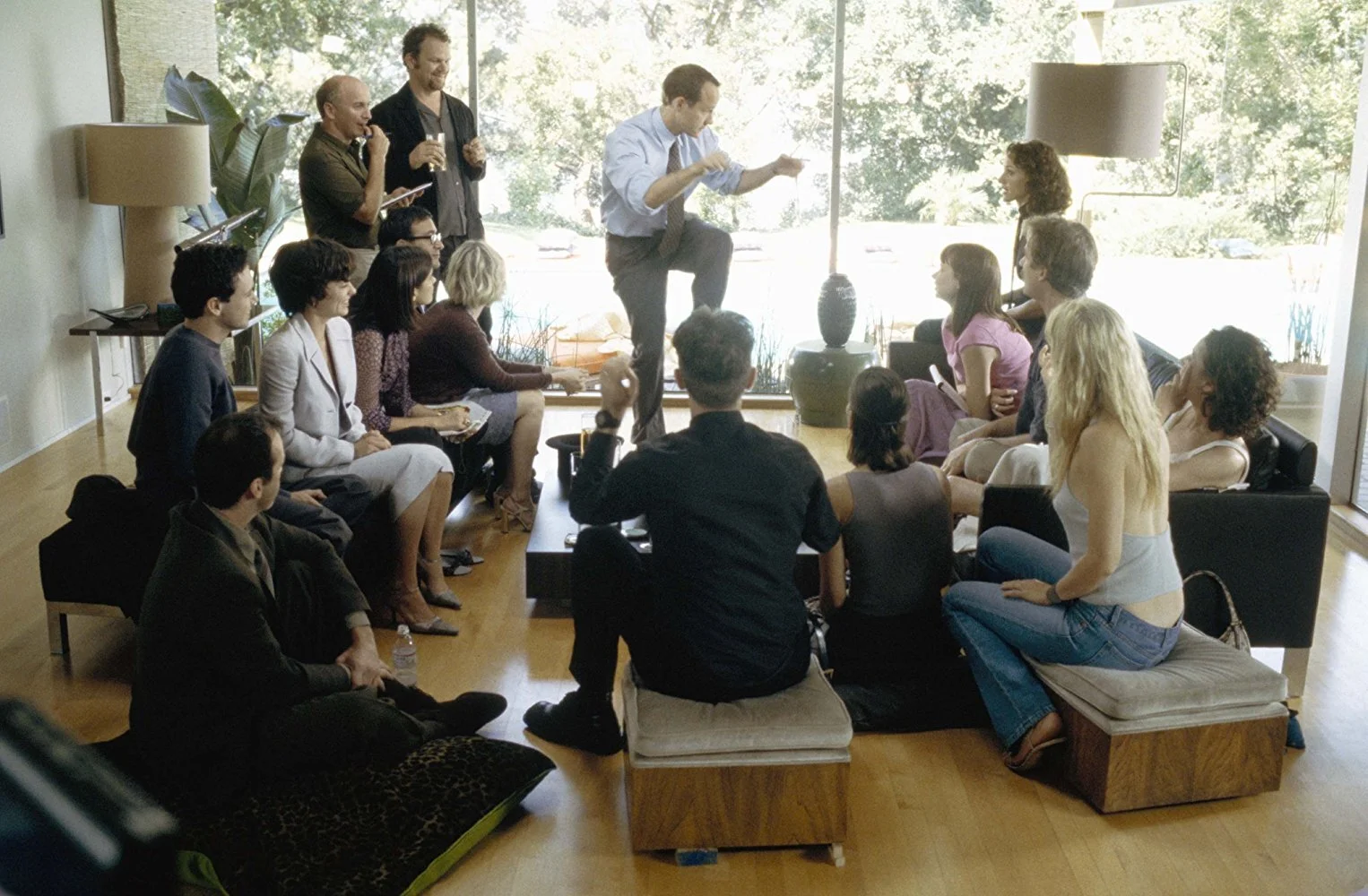
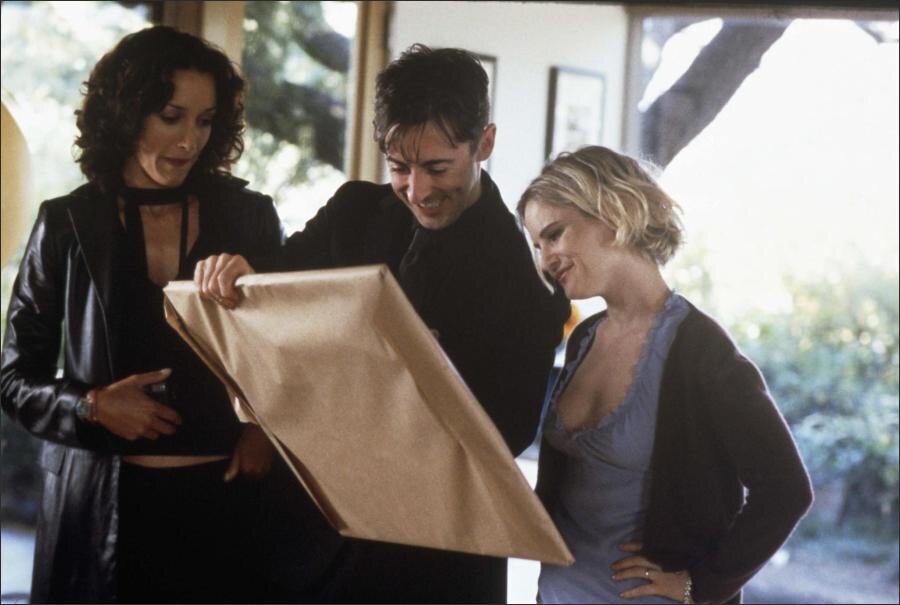
ALAN: For that scene, we asked the actors to make up their own speeches for that or to make their own things. We guided them about what perhaps their character might say, what their character's angle might be, but we left it up to them to make up their thing. It was really fascinating.
We shot their stuff and our reactions at the same time. We were hearing it for the first time, which was really exciting. And also, they were really nervous, like you would be really nervous standing up and doing that, because they were actually having to perform something that they had written for the first time, too. It was good -- it worked.
What was the biggest lesson you took away from the experience?
ALAN: Biggest lesson; Treat people respectfully. There's a sort of vogue, and there has been for decades now, that the director is god and the director is all knowing.
But when you say to someone, “I don't understand this and I'm asking your advice because you're better at it than me,” by doing that and involving people and making the film truly a collaborative process, you get much better results. You get a better film and you get happier people and get an atmosphere on the set that is truly creative.

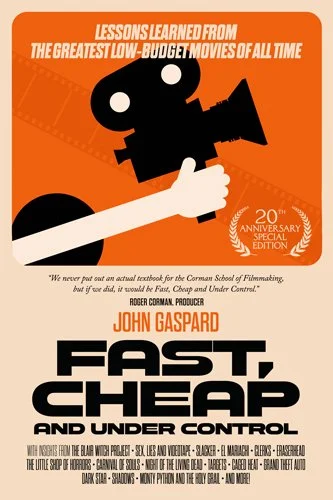
Dying to make a feature? Learn from the pros!
When Fast, Cheap & Under Control first hit shelves in 2006, it became the underground handbook for a generation of indie filmmakers. Now, two decades on, this 20th Anniversary Special Edition proves the lessons inside aren't just timeless—they're more essential than ever.
What's changed? Technology. Platforms. Distribution.
What hasn't? The grit, ingenuity, and sheer determination it takes to make a great film with nothing but vision and hustle.
Inside, you'll find:
Exclusive interviews with legends like Steven Soderbergh, Roger Corman, Jon Favreau, Henry Jaglom, Kasi Lemons, Dan O'Bannon, Bob Odenkirk and more
Over 100 images bringing the stories to life
40+ links to trailers, scenes, and supplementary material—turning this book into an interactive master class
Real-world case studies from 33 groundbreaking low-budget films—from Clerks and El Mariachi to The Blair Witch Project and sex, lies, and videotape
Field-tested lessons from the author's own four features—proof that these principles work in the real world, on set, in the edit room, and on screen
Whether you're shooting on your phone or scraping together a micro-budget, this is your master class in turning limitations into strengths.
No film school required. Just this book.
Roger Corman called it the textbook for his legendary filmmaking school. Now it's your turn to learn from the best.
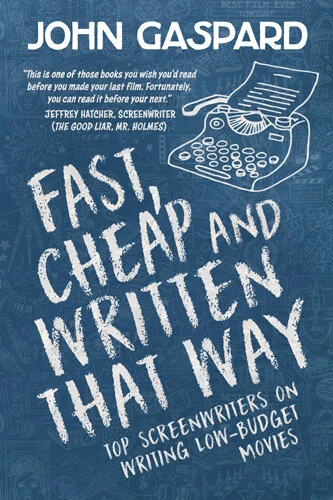
Write Your Screenplay with the Help of Top Screenwriters!
It’s like taking a Master Class in screenwriting … all in one book!
Discover the pitfalls of writing to fit a budget from screenwriters who have successfully navigated these waters already. Learn from their mistakes and improve your script with their expert advice.
"I wish I'd read this book before I made Re-Animator."
Stuart Gordon, Director, Re-Animator, Castle Freak, From Beyond
John Gaspard has directed half a dozen low-budget features, as well as written for TV, movies, novels and the stage.
The book covers (among other topics):
Academy-Award Winner Dan Futterman (“Capote”) on writing real stories
Tom DiCillio (“Living In Oblivion”) on turning a short into a feature
Kasi Lemmons (“Eve’s Bayou”) on writing for a different time period
George Romero (“Martin”) on writing horror on a budget
Rebecca Miller (“Personal Velocity”) on adapting short stories
Stuart Gordon (“Re-Animator”) on adaptations
Academy-Award Nominee Whit Stillman (“Metropolitan”) on cheap ways to make it look expensive
Miranda July (“Me and You and Everyone We Know”) on making your writing spontaneous
Alex Cox (“Repo Man”) on scaling the script to meet a budget
Joan Micklin Silver (“Hester Street”) on writing history on a budget
Bob Clark (“Children Shouldn’t Play with Dead Things”) on mixing humor and horror
Amy Holden Jones (“Love Letters”) on writing romance on a budget
Henry Jaglom (“Venice/Venice”) on mixing improvisation with scripting
L.M. Kit Carson (“Paris, Texas”) on re-writing while shooting
Academy-Award Winner Kenneth Lonergan (“You Can Count on Me”) on script editing
Roger Nygard (“Suckers”) on mixing genres
This is the book for anyone who’s serious about writing a screenplay that can get produced!